15 Best Aesthetic Cookbooks (2026) — Beautiful Books You'll Actually Cook From
Fifteen aesthetic cookbooks, personally reviewed — from a Taschen volume about a single lemon to a River Café collaboration with Ed Ruscha. Sorted by the question nobody else asks: which of these survive an actual kitchen, and which are display objects being sold as cookbooks.
A food writer I read recently admitted that several of his cookbook purchases had turned into nothing more than attractive decoration on the kitchen counter. He meant it as a confession. I think it's the most useful sentence anyone has written about this category.
Because there are two separate questions here, and every list I've seen collapses them into one. Is the book beautiful? And can you cook from it while your hands are covered in flour and something is about to boil over? A book can be spectacular and still fail the second test — and if nobody tells you which is which, you find out at the worst possible moment. So that's how this list is organised: books that do both, books that are honestly objects first, and a few that aren't really cookbooks at all. If you're buying for someone else, the gift section at the end sorts all fifteen by recipient.
Disclosure: This article contains affiliate links. If you purchase through these links, I earn a small commission at no extra cost to you.
My Top 3 at a Glance
- Best Overall: Ottolenghi Flavor — the rare book that's genuinely beautiful and genuinely cooked from, and the one I've replaced twice because the first two got destroyed in use
- Best Object: Dalí: Les Dîners de Gala — Taschen's reissue of Salvador Dalí's 1973 cookbook, and the least practical, most delightful book on this list
- Best Value: Booze & Vinyl at $27 — a record-and-drink pairing book that's more fun than anything else here at the price
Beautiful and Usable
The six books that pass both tests. If you only read one section, read this one.
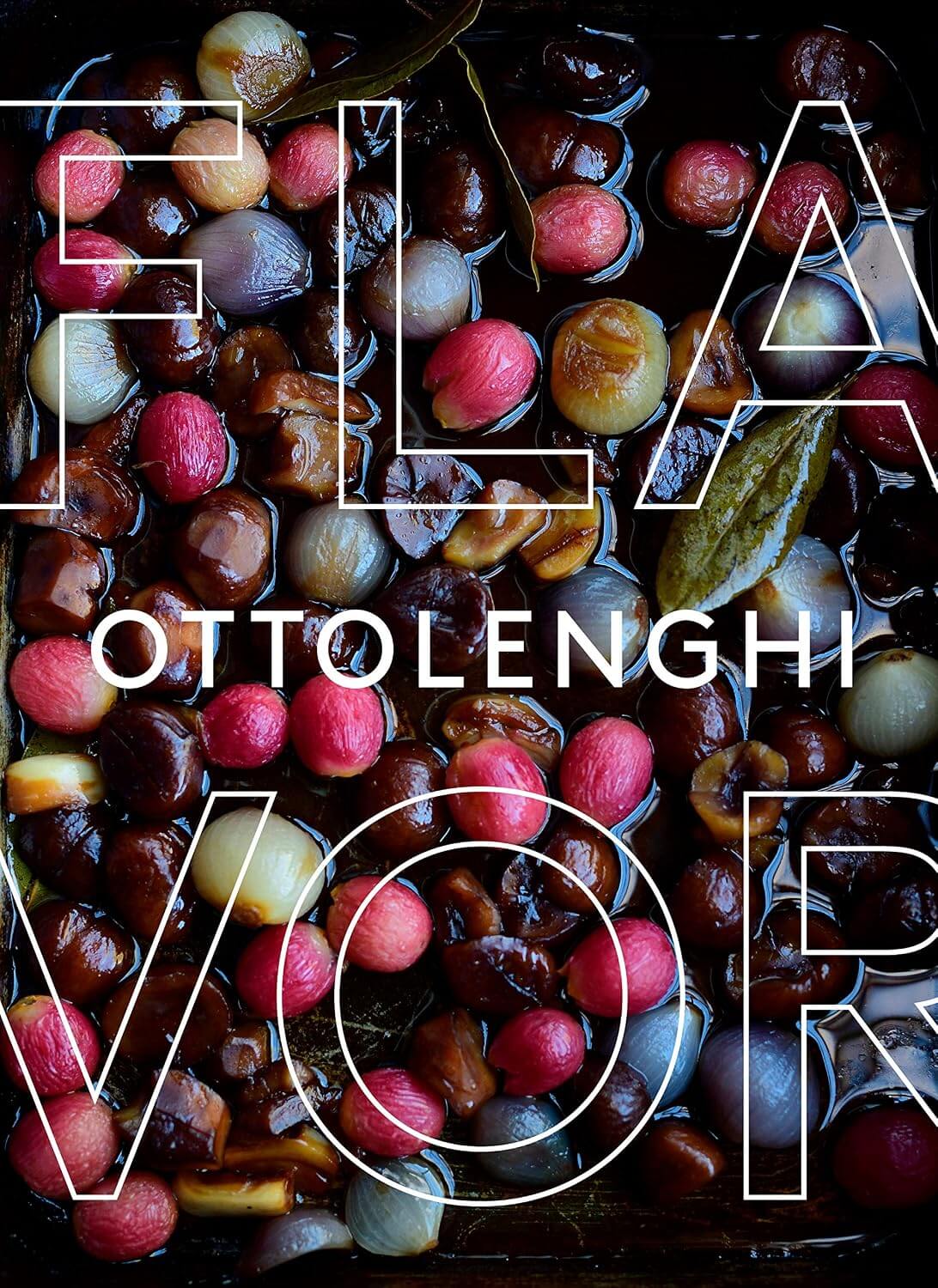
1. Ottolenghi Flavor – Yotam Ottolenghi & Ixta Belfrage
| Authors | Yotam Ottolenghi & Ixta Belfrage |
| Publisher | Ten Speed Press |
| Released | 2020 |
| Subject | Vegetable cooking, organised by method |
| Price | ~$38 |
This is the book that made me stop thinking of "beautiful" and "useful" as a trade-off.
What I keep returning to: The structure. Instead of sorting by ingredient, Ottolenghi and Belfrage sort by what actually creates flavour — process, pairing, produce. Charring, browning, infusing, ageing. It reframes vegetable cooking as a set of techniques rather than a set of recipes, which is why it survives repeat use in a way that a straight recipe collection doesn't. Jonathan Lovekin's photography is unfussy and lit like the food is sitting on a table rather than a set, and the colour blocking on the covers has become one of the most recognisable looks in publishing.
The honest downside: The ingredient lists are long and several recipes assume you'll make two components before you start cooking. This is a weekend book, not a Tuesday book. And the aesthetic is now so widely imitated that the covers read as slightly generic on a shelf full of newer titles.
The bottom line: The most-cooked-from book on this list and still one of the best-looking. If you buy one, buy this.
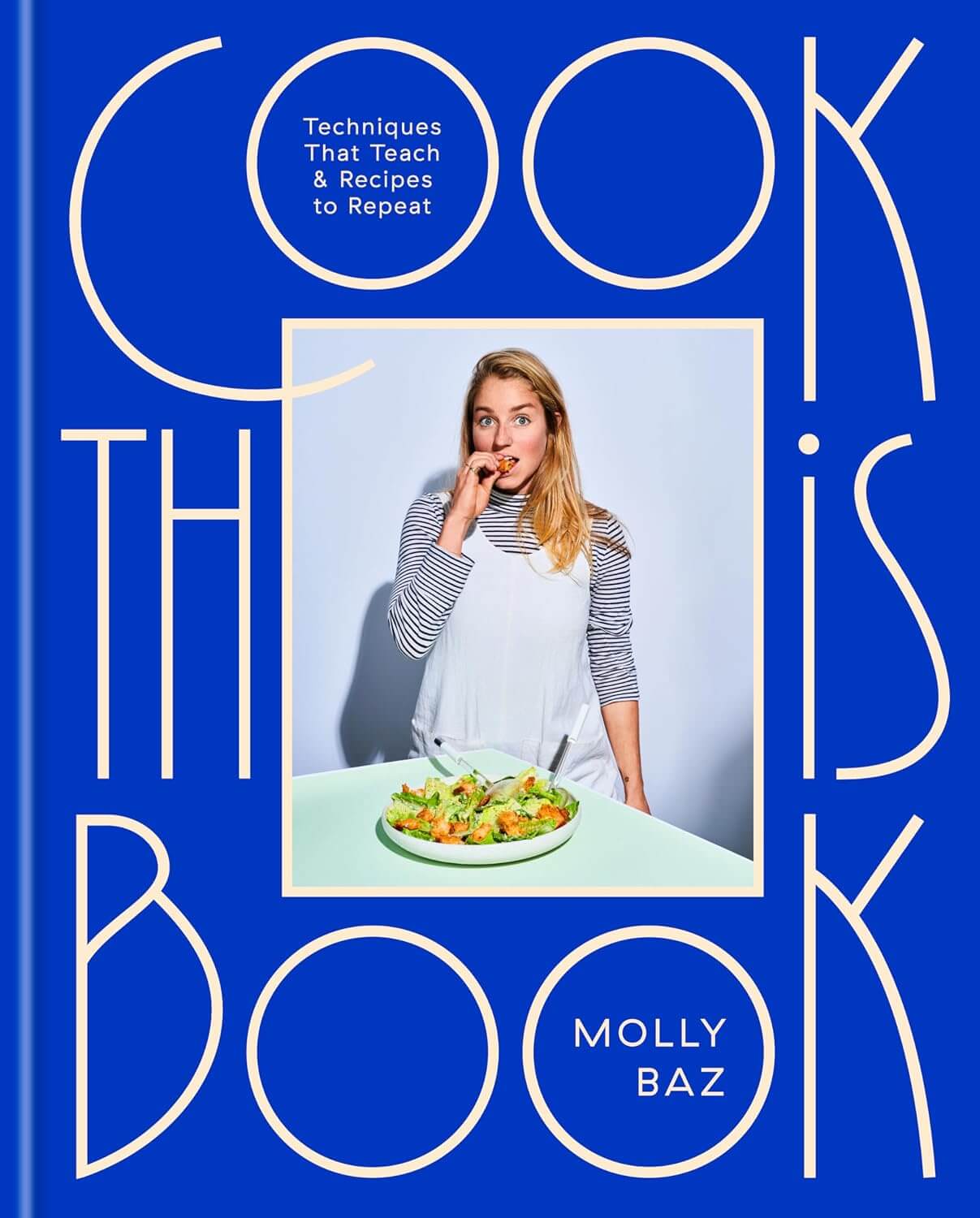
2. Cook This Book – Molly Baz
| Author | Molly Baz |
| Publisher | Clarkson Potter |
| Released | 2021 |
| Subject | Technique-first cooking for beginners |
| Price | ~$35 |
When people on cookbook forums argue about which books are actually well designed, Baz's name comes up faster than anyone else's — not the food, the design.
What I keep returning to: The typography does work that photography usually has to do alone. Bold display type, hand-drawn annotations, colour used as navigation rather than decoration — it reads like a magazine that decided to be a cookbook. And underneath the styling is a genuinely well-built teaching book: technique callouts sit inside the recipes rather than in a separate chapter you'll never read.
The honest downside: The voice is loud, and it's the kind of loud people either love or find exhausting. If the person you're buying for wants a quiet, classical cookbook, this is the opposite of that. The QR-code video links also tie part of the book's usefulness to a platform that may not outlive the paper.
The bottom line: The best-designed cookbook of the last five years, and the strongest pick for someone who's learning. Not for a traditionalist.
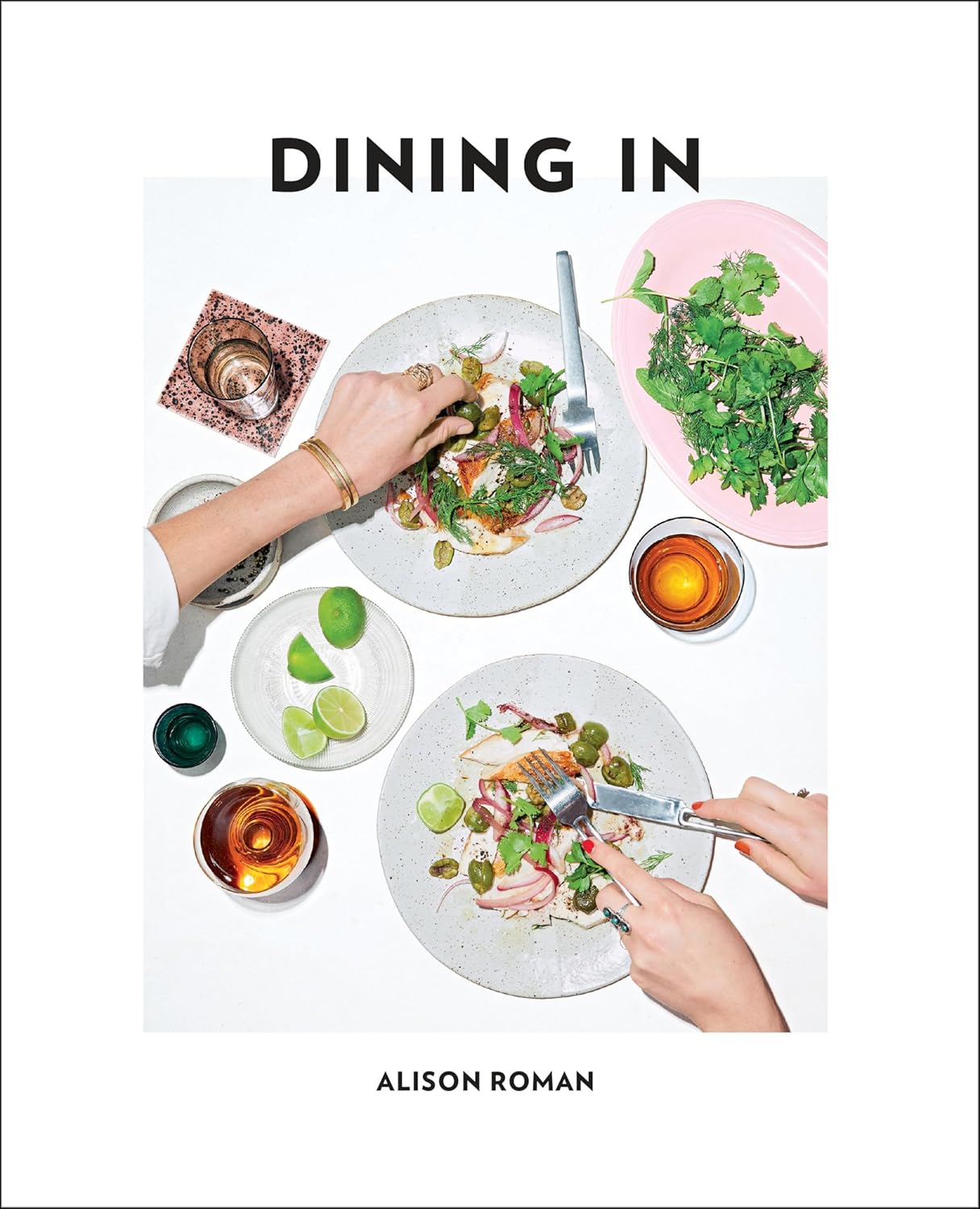
3. Dining In – Alison Roman
| Author | Alison Roman |
| Publisher | Clarkson Potter |
| Released | 2017 |
| Subject | Weeknight cooking, dinner-party lean |
| Price | ~$38 |
If you want to understand what "aesthetic cookbook" means as a category, this is where it was defined.
What I keep returning to: Michael Graydon and Nikole Herriott's photography — slightly moody, slightly imperfect, food photographed on surfaces that look used. It's the visual language that half of Instagram adopted afterwards, and seeing it in its original context is a reminder of how deliberate it was. The recipes are also better than the book's reputation suggests: short ingredient lists, genuinely weeknight-scaled.
The honest downside: It's been so thoroughly absorbed into food-media style that it can read as familiar rather than distinctive now — the same problem Poolside with Slim Aarons has in the photography world. And if you already follow Roman's newsletter, a meaningful share of these recipes will be things you've seen.
The bottom line: The book that set the template. Still lovely, still cooked from, just no longer surprising.
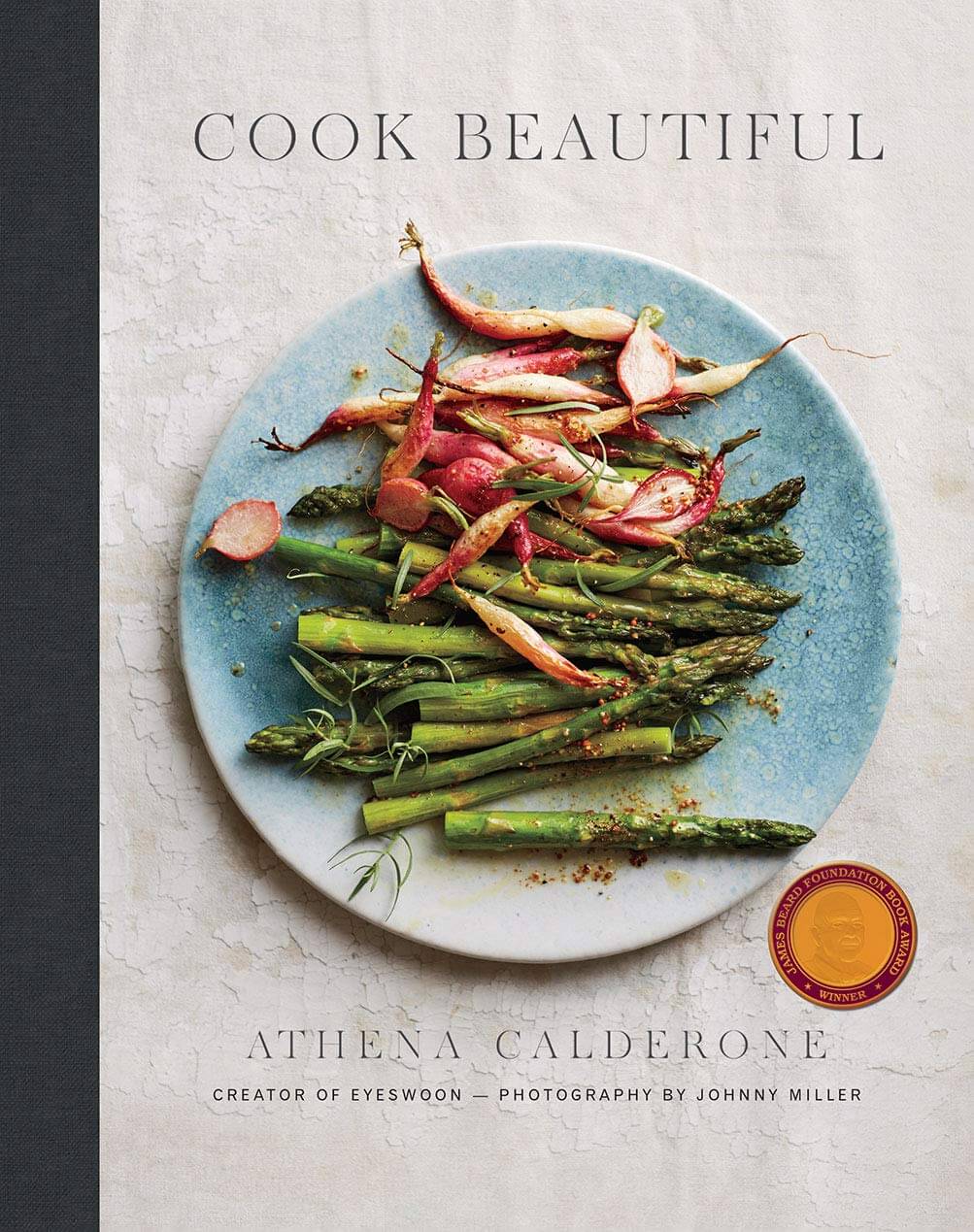
4. Cook Beautiful – Athena Calderone
| Author | Athena Calderone |
| Publisher | Abrams |
| Released | 2017 |
| Subject | Seasonal menus, plating and styling |
| Price | ~$45 |
Every other book here is beautiful. This one is about being beautiful, which makes it the odd entry in the category and the most useful one if you care how food looks on the plate.
What I keep returning to: The plating instruction. Calderone comes from interiors — her EyeSwoon work is design-first — and she treats a plate the way she'd treat a room: negative space, height, a limited palette, one thing doing the talking. There's a genuine method in here that transfers to food you didn't get from this book. The seasonal menu structure also makes it unusually easy to use for a dinner party.
The honest downside: The styling is aspirational in a way that can be discouraging. Not every dish needs to be composed, and a cook who just wants dinner may find the whole framing precious. It also skews strongly toward entertaining rather than everyday cooking.
The bottom line: The book to give someone who has started caring how their food looks. Not the book for someone who hasn't.
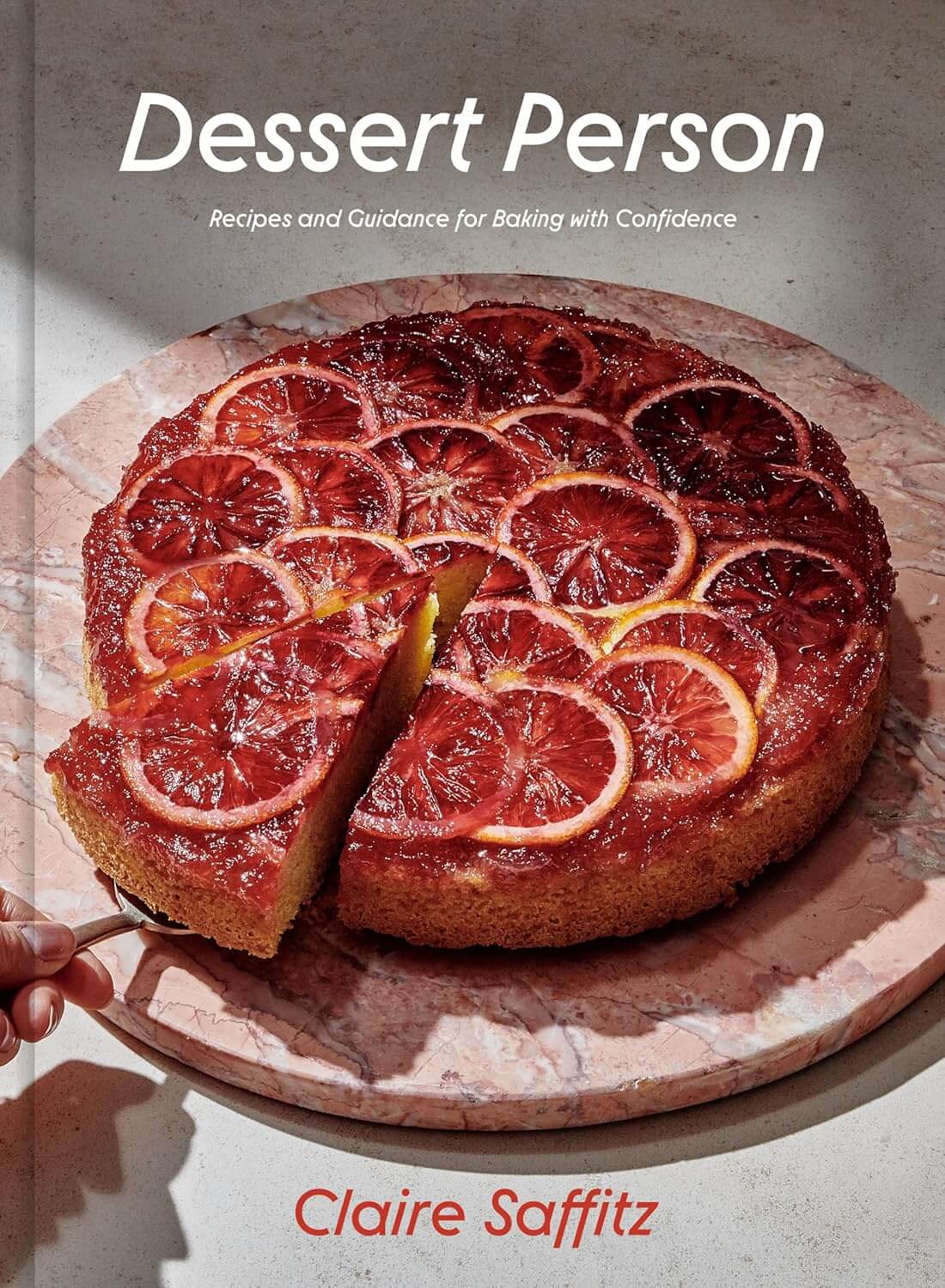
5. Dessert Person – Claire Saffitz
| Author | Claire Saffitz |
| Publisher | Clarkson Potter |
| Released | 2020 |
| Subject | Baking, sweet and savoury |
| Price | ~$38 |
Baking books usually choose between looking good and being reliable. This one refuses to.
What I keep returning to: The difficulty markers and the "Dessert Person / Not a Dessert Person" framing, which sounds like a gimmick and functions as genuinely good editorial design — you can see at a glance whether a recipe is a Sunday project or a weeknight thing. The process photography earns its space rather than padding: laminating dough, folding meringue, the stages where written instructions fail. And the recipes are tested to a standard that shows.
The honest downside: It's a big, heavy book, and the sheer level of detail can be intimidating for a casual baker — the person who wants one good brownie recipe will feel lectured. The cover, frankly, is the least interesting thing about it.
The bottom line: The best baking book on this list by a distance, and one of the very few where beauty and reliability aren't in tension.
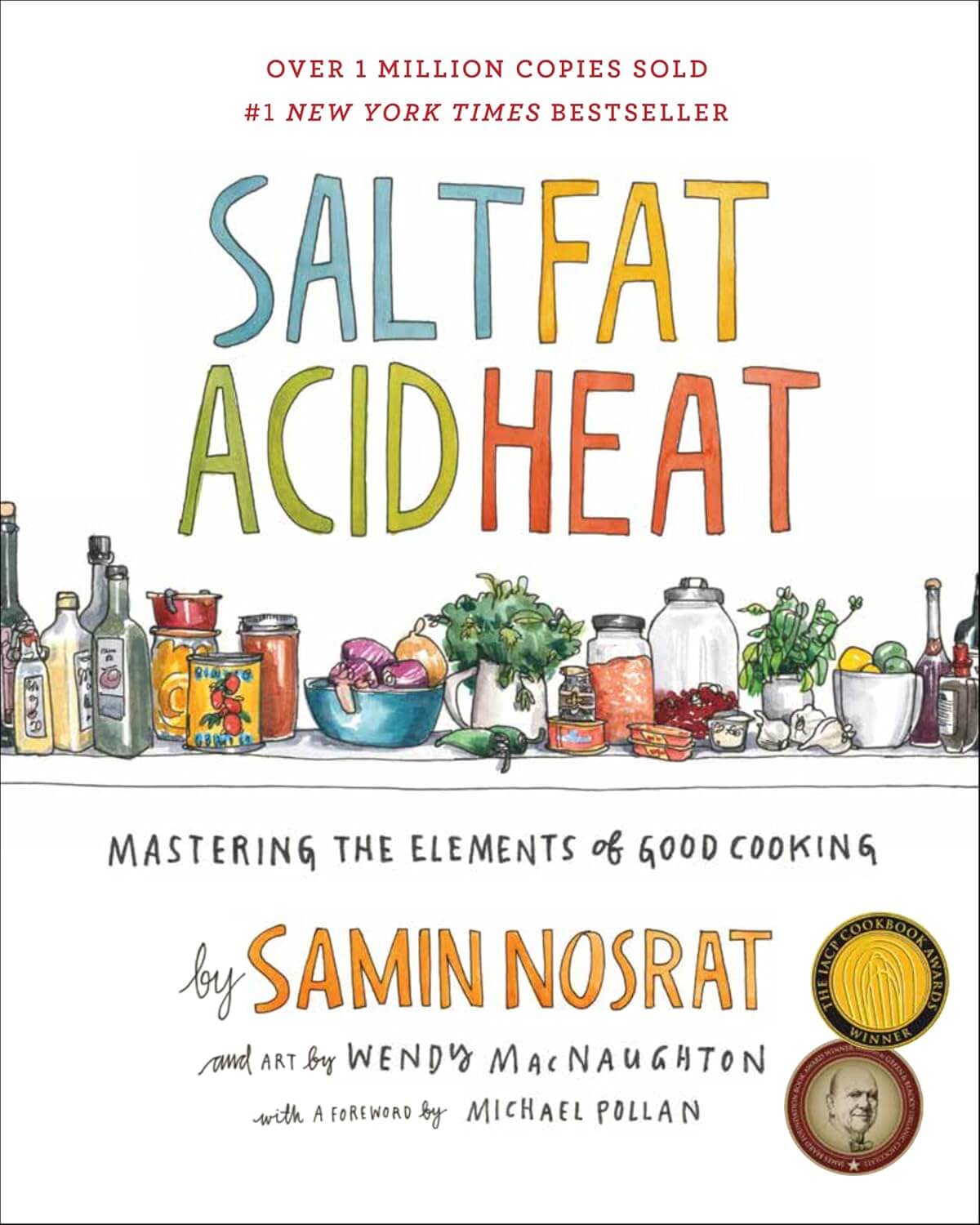
6. Salt, Fat, Acid, Heat – Samin Nosrat
| Author | Samin Nosrat |
| Illustrations | Wendy MacNaughton |
| Publisher | Simon & Schuster |
| Released | 2017 |
| Subject | The four elements of good cooking |
| Price | ~$35 |
The most important book on this list, and the one that proves a cookbook doesn't need a single photograph to be beautiful.
What I keep returning to: Wendy MacNaughton's watercolours. There is not one piece of food photography in this book — the whole thing is illustrated, and it's better for it. A photograph shows you one perfect version of a dish; an illustration can show you a flavour wheel, a diagram of where salt goes in a piece of meat, a map of the world's fats. MacNaughton draws ideas rather than results, which is exactly what a book about principles needs. It's also the reason this book has aged so much better visually than its photographed contemporaries.
The honest downside: The recipe section in the back is comparatively plain, and if you want a book to browse for dinner ideas, this isn't structured for it. It's a book you read once properly and then consult. And it's a genuinely dense read — this is the entry here that asks the most of you.
The bottom line: Buy it for the illustration and the ideas. If you know someone who cooks well but can't explain why something works, this is the gift.
Objects First
These four are beautiful and I'm not going to pretend you'll cook from them. That isn't a criticism — it's information about what you're buying.
7. Noma 2.0: Vegetable, Forest, Ocean – René Redzepi
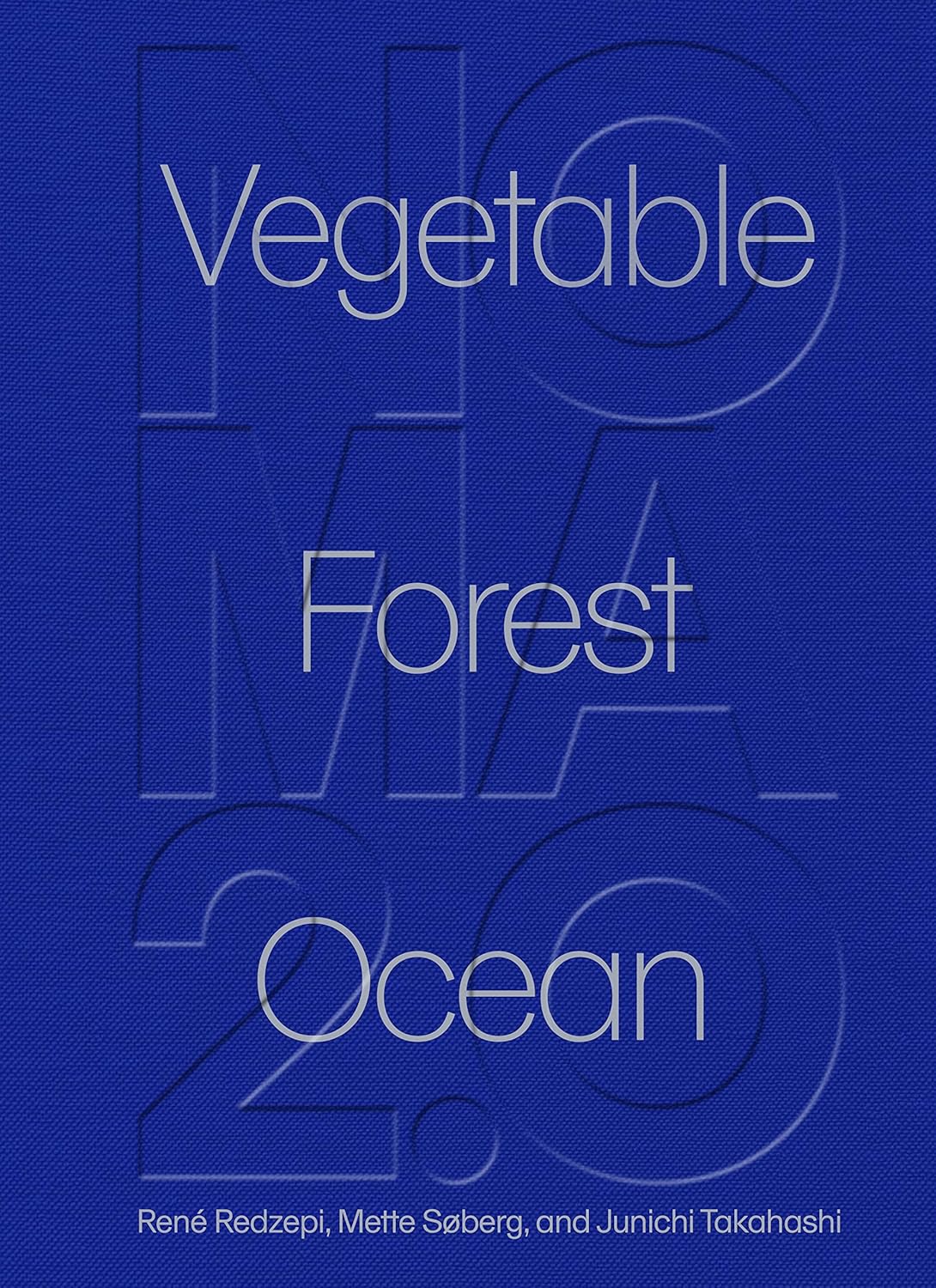
| Authors | René Redzepi, Mette Søberg, Junichi Takahashi |
| Publisher | Artisan |
| Subject | Three seasonal menus from Noma's second era |
| Price | ~$75 |
The most uncompromising piece of book design in this list, and the one that most clearly belongs on a table rather than a counter.
What I keep returning to: The three-season structure — vegetable, forest, ocean — treated as three distinct visual worlds rather than three chapters. Ditte Isager's photography does something rare in restaurant books: it photographs the ingredient and the landscape as often as the finished plate, so you understand the argument rather than just admiring the result. The typography and pacing are closer to an art monograph than a cookbook.
The honest downside: You are not making this food. Several recipes depend on ferments that take months, ingredients you cannot buy, and technique that assumes a brigade. At $75 you're paying for a document of a restaurant, not a set of instructions. It's also physically large and heavy enough that it isn't a casual browse.
The bottom line: The best restaurant book of the last decade as an object. Buy it for someone who follows fine dining as a subject, not for someone who wants dinner.
8. The French Laundry Cookbook – Thomas Keller
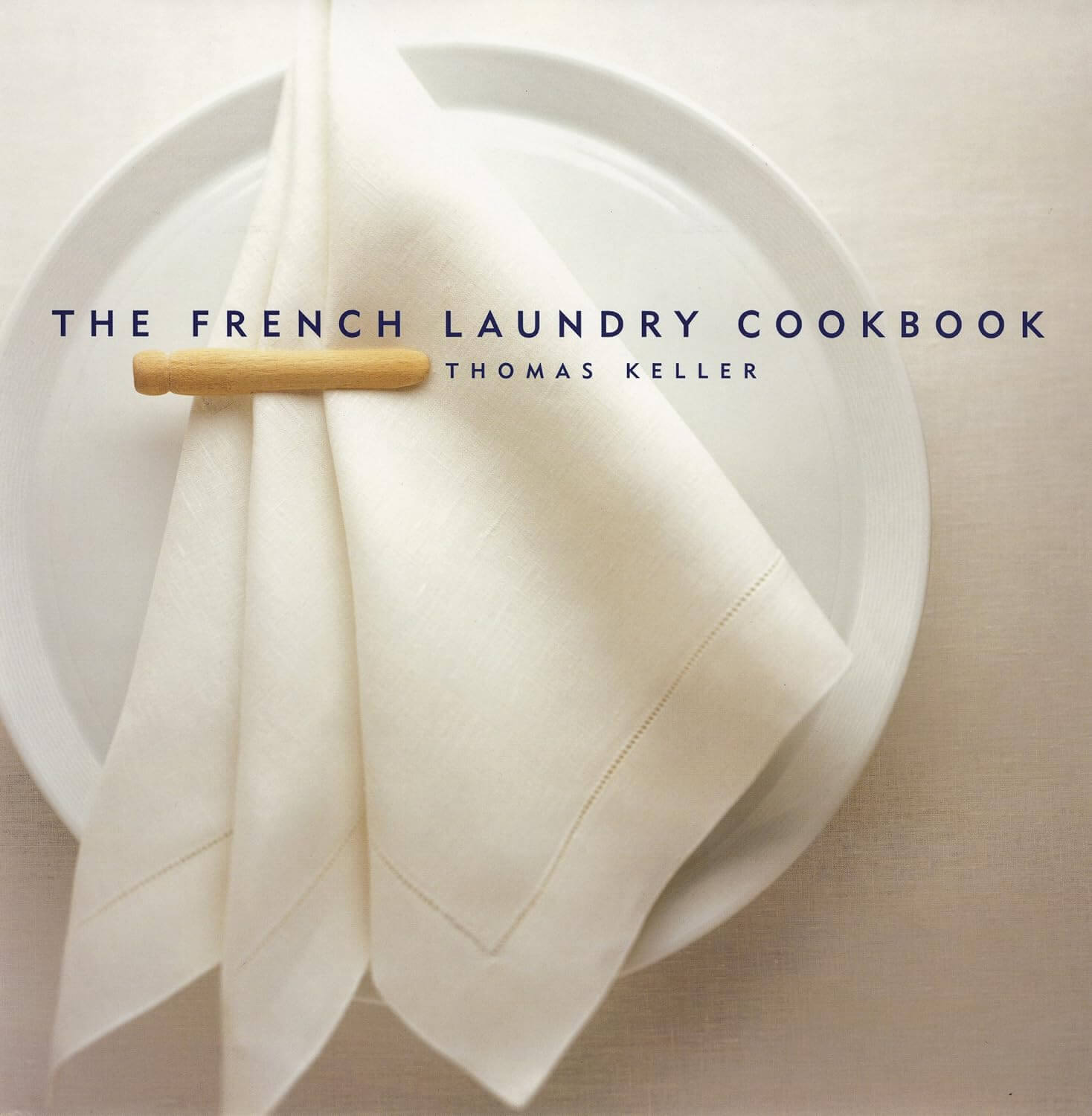
| Author | Thomas Keller |
| Photography | Deborah Jones |
| Publisher | Artisan |
| Released | 1999 |
| Subject | The Yountville restaurant, in full |
| Price | ~$60 |
Nearly thirty years on, this is still the book every other chef cookbook is measured against.
What I keep returning to: Deborah Jones's photography, which established the visual grammar that fine-dining books have used ever since — plates shot straight down on white, ingredients treated as still life, the restaurant itself photographed as architecture. It looked radical in 1999 and it still looks composed rather than dated. Keller's writing is the other half: the essays on why he does things a particular way are better reading than the recipes are cooking.
The honest downside: The recipes are, in the most literal sense, not for home cooks — multi-day preparations, equipment you don't own, yields calibrated for service. And the book is a product of its moment: the plating conventions have moved on, and some of it now reads as a period document rather than a current standard.
The bottom line: The canonical chef cookbook. Give it to someone who reads about food, not someone looking for Saturday's dinner.
9. Dalí: Les Dîners de Gala – Salvador Dalí
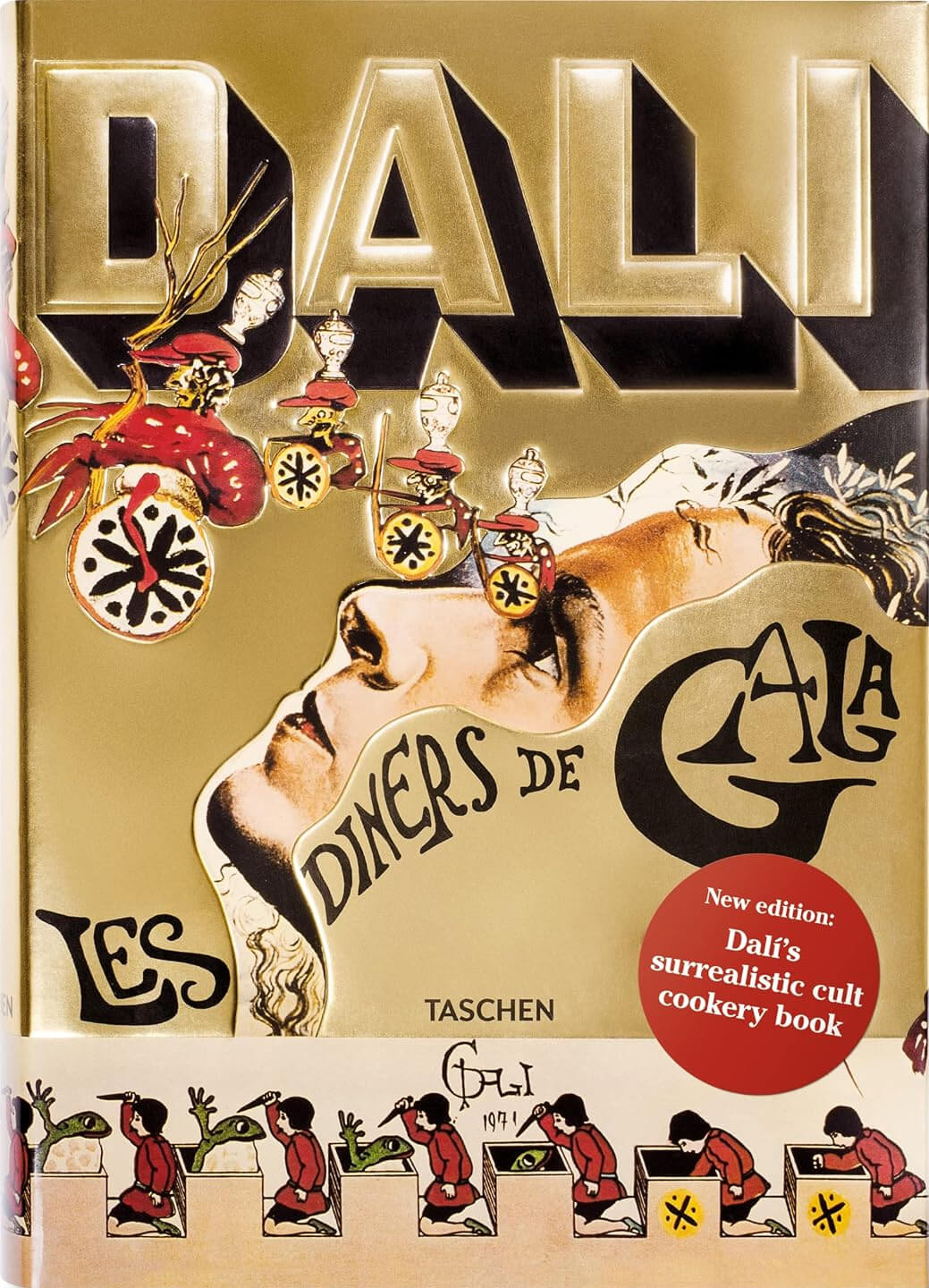
| Author | Salvador Dalí |
| Publisher | Taschen |
| Originally | 1973, reissued by Taschen |
| Subject | Surrealist dinner party, 136 recipes |
| Price | ~$60 |
The least practical book here and the one people pick up first, every single time.
What I keep returning to: That it is completely serious about being absurd. Dalí's original 1973 book was a real cookbook — recipes contributed by chefs from Maxim's, Lasserre and the Tour d'Argent — wrapped in his own illustrations and chapter headings that read like fever dreams. Taschen's reissue reproduces the artwork at a size it deserves. The section on aphrodisiacs is exactly as unhinged as you'd hope. Nothing else in this category has this much personality.
The honest downside: The recipes are largely period French haute cuisine, written for 1973, and several of them are genuinely unappealing to a modern palate. Nobody buys this to cook, and if the person you're giving it to is a literal-minded home cook, it will confuse them. There's also a fair amount of nudity in the illustrations — worth knowing before it's opened at a family Christmas.
The bottom line: The most entertaining object on this list. Buy it for someone with a sense of humour about food and a table to leave it on.
10. The Gourmand's Lemon – The Gourmand
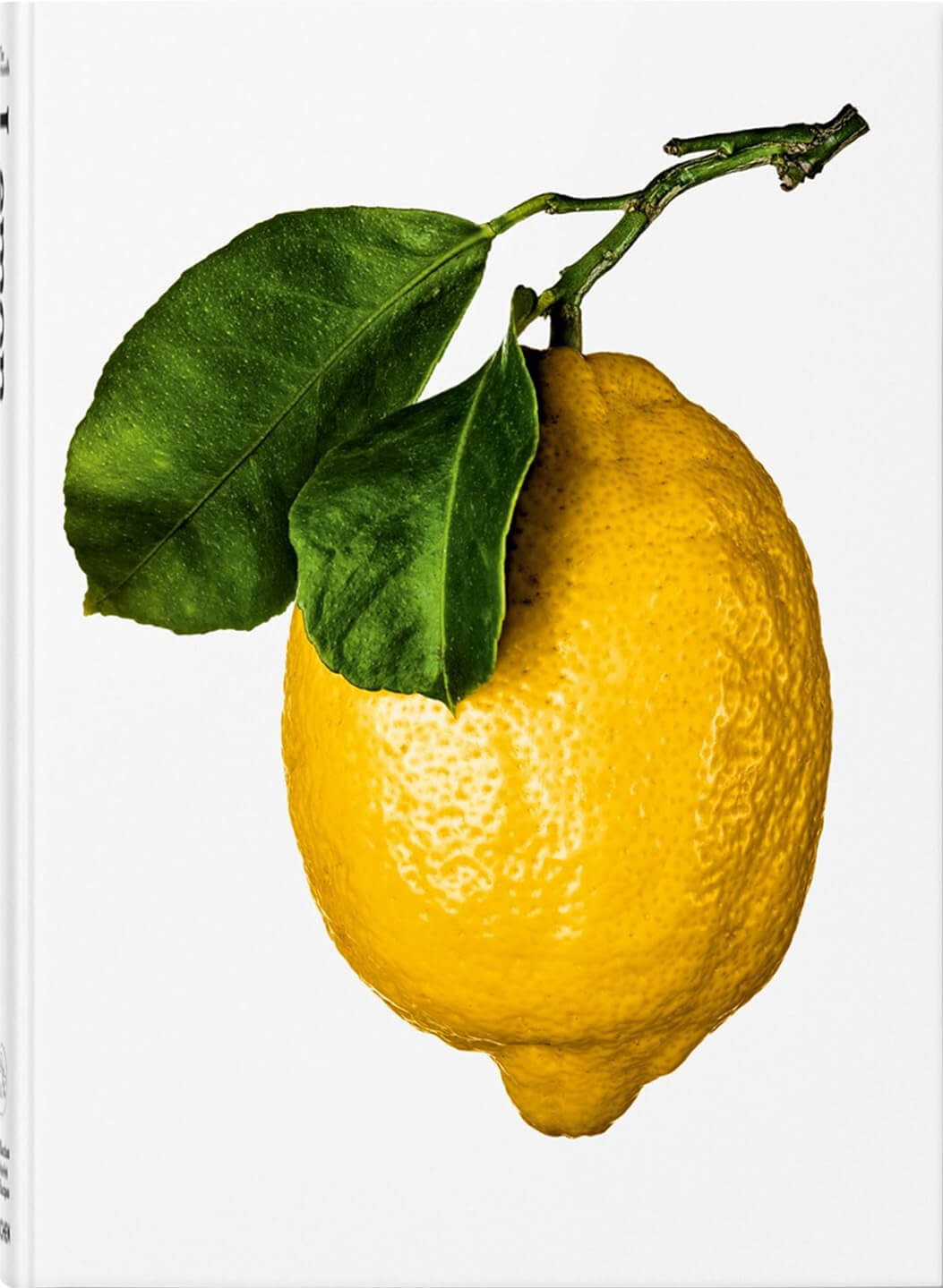
| Publisher | Taschen |
| Photography | Bobby Doherty |
| Pages | 272 |
| Dimensions | 20 x 27.9 cm |
| Subject | One fruit, culturally and gastronomically |
| Price | ~$50 |
I bought this expecting a novelty and got one of the most enjoyable books I own.
What I keep returning to: It takes a single ingredient seriously as a cultural object — the lemon in Renaissance gardens and the Medici, its use as invisible ink since 600 CE, its appearances in Didion and Fitzgerald and Joyce, its strange American afterlife in the lemonade stand — and then delivers sixty-odd recipes with Bobby Doherty's photography, which is the sharpest food styling in print right now. The marbled endpapers are lemons. The whole object is a joke told with total commitment.
The honest downside: Not a working cookbook. The recipes are good, but you won't plan a week from it. And at 20 x 27.9 cm it's mid-sized — it reads well on a table but doesn't command one.
The bottom line: The most original gift on this list. Its companions The Gourmand's Egg and The Gourmand's Mushroom work the same trick — see the disambiguation table below before you pick one.
Design Beyond the Recipe
Two books that are about food without being about cooking. This is where the category gets genuinely interesting.
11. Menu Design in America – Jim Heimann, Steven Heller & John Mariani
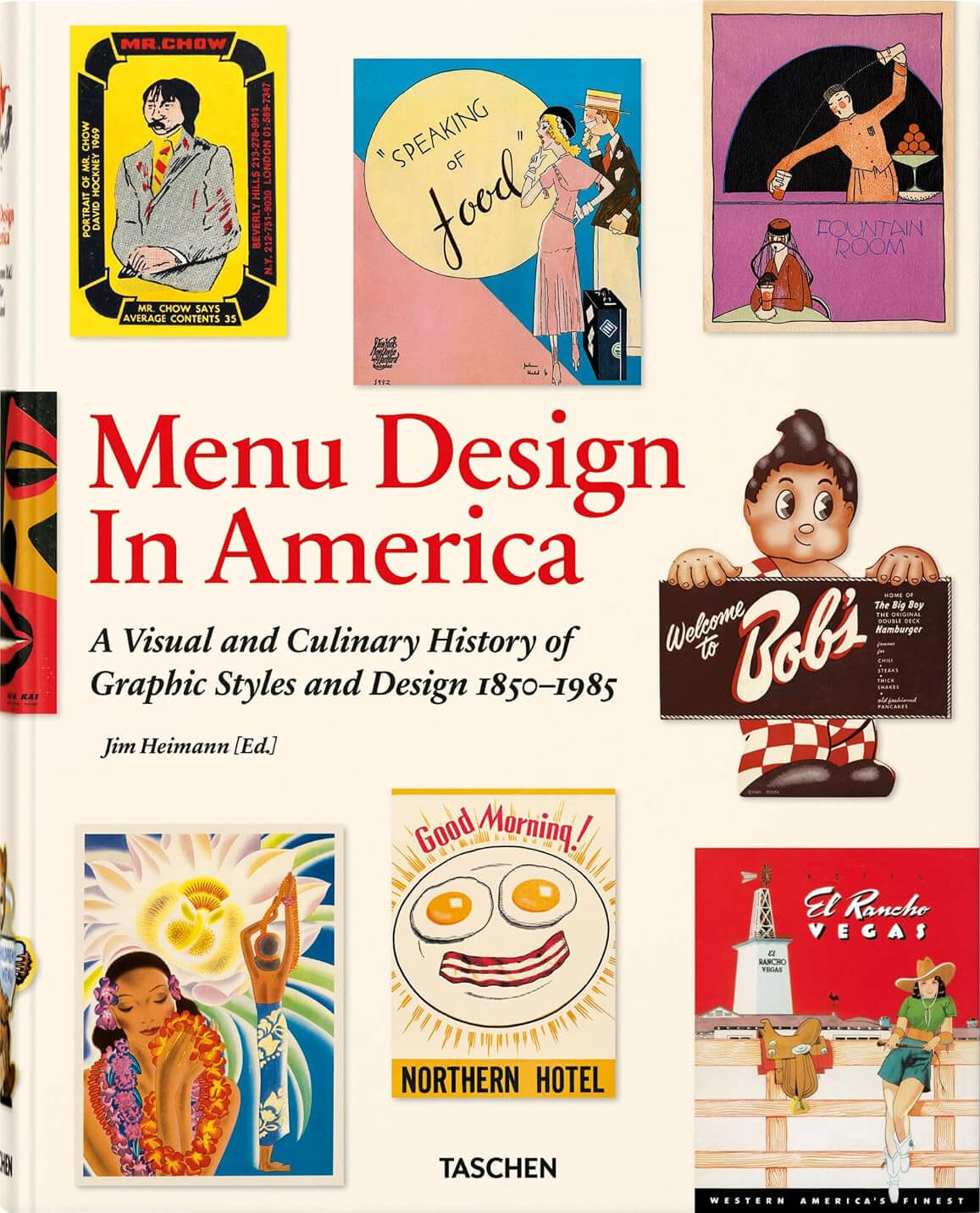
| Editors | Jim Heimann, Steven Heller, John Mariani |
| Publisher | Taschen |
| Subject | American restaurant menus, 1850–1985 |
| Price | ~$70 |
There are no recipes in this book at all, and it's the entry I'd defend hardest.
What I keep returning to: It's a graphic design history told entirely through menus — a century and a half of American typography, illustration and printing, organised by era. You watch Art Deco give way to mid-century modernism give way to the psychedelic seventies, all on paper that was meant to be thrown away. And because menus record prices, dishes and social conventions, it doubles as a social history: what people ate, what it cost, who they were pretending to be while eating it.
The honest downside: If the person you're buying for wants recipes, this will land badly — it's a design book that happens to be about food, not the other way around. It's also strictly American, and the reproduction quality varies because the source material is ephemera that wasn't printed to last. There's a companion, Menu Design in Europe, at the same price.
The bottom line: The entry no other cookbook list will give you. Perfect for a designer who cooks, or a cook who notices typography.
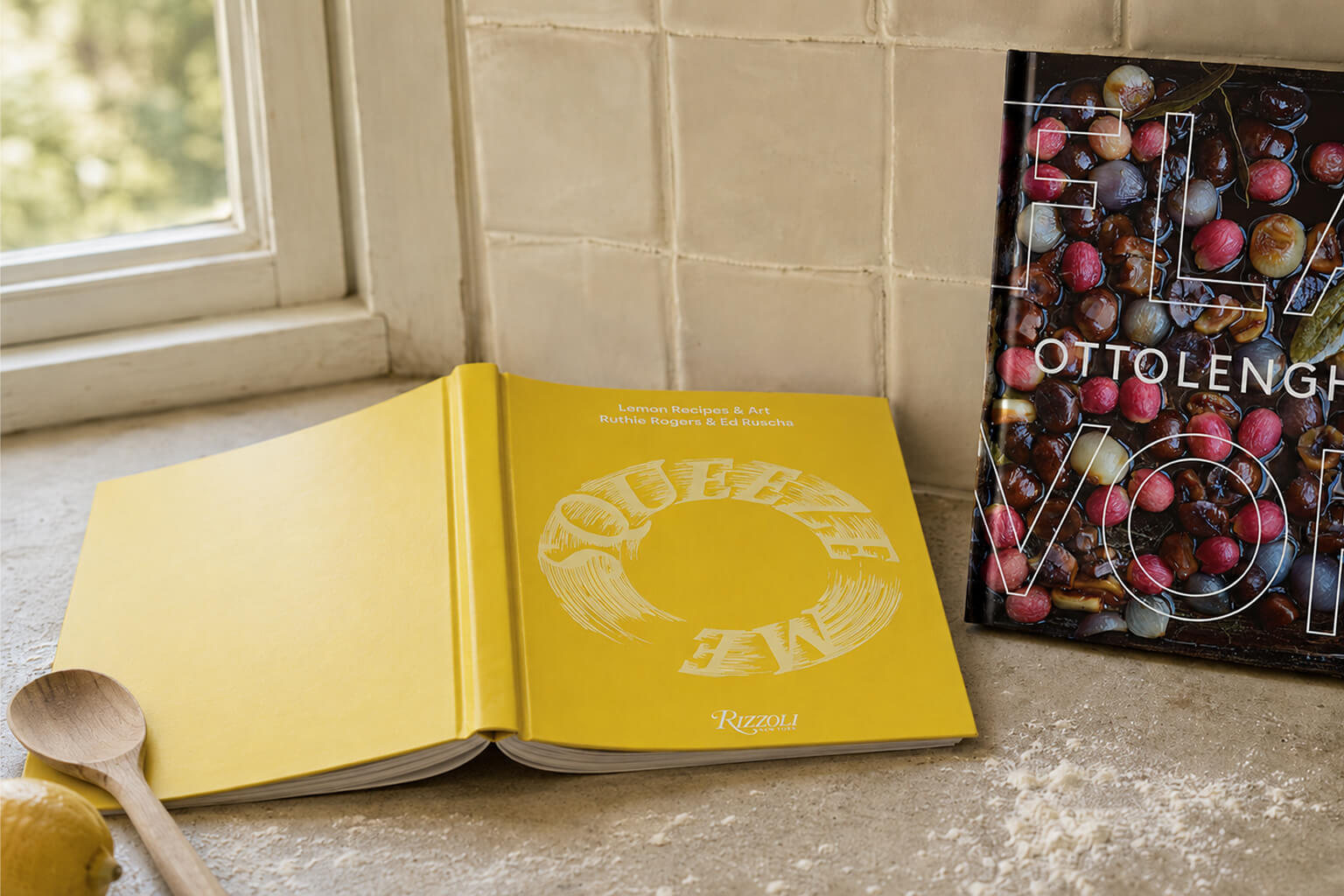
12. Squeeze Me: Lemon Recipes & Art – Ruthie Rogers & Ed Ruscha
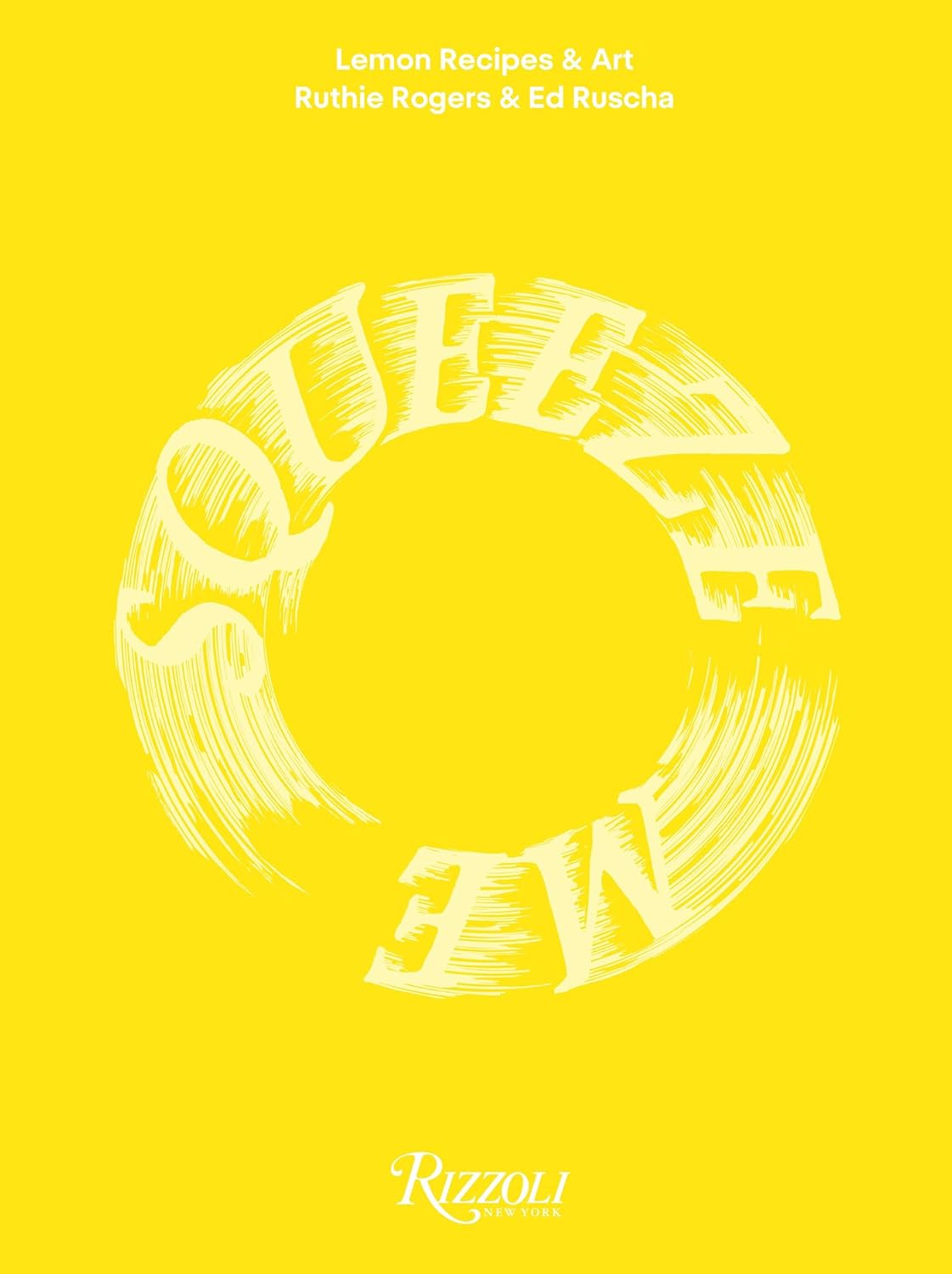
| Authors | Ruthie Rogers & Ed Ruscha |
| Designer | LoveFrom |
| Publisher | Rizzoli |
| Released | September 2025 |
| Pages | 116 |
| Dimensions | 8.5 x 11.9 in |
| Recipes | 50 |
| Price | $45 |
The newest book on this list and the one with the most interesting credits attached to it.
What I keep returning to: The pairing itself. Ruthie Rogers runs the River Café in London; Ed Ruscha is one of the defining American artists of the last sixty years and grows lemons at his house in Los Angeles. Ruscha made original images for this book — lemons cut, peeled, halved, overlaid with aphorisms set in his own typeface, Boy Scout Utility Modern. The book was designed by LoveFrom. That combination on a 116-page cookbook is not something that happens often, and it shows on every spread. Rogers's fifty recipes are pared back in the River Café manner: few ingredients, no ornament.
The honest downside: At 116 pages and $45 you are paying an art-book price for a slim volume — this is priced as a Ruscha object, not as a cookbook. Fifty recipes all built around one fruit also means the range is deliberately narrow. And it's new enough that you can't yet judge how it holds up in use.
The bottom line: The most beautiful new release in this category, and a genuine collectible given Ruscha's involvement. Buy it as an art book that cooks, not as a cookbook that looks nice.
The Reference Shelf
13. Japan: The Cookbook – Nancy Singleton Hachisu
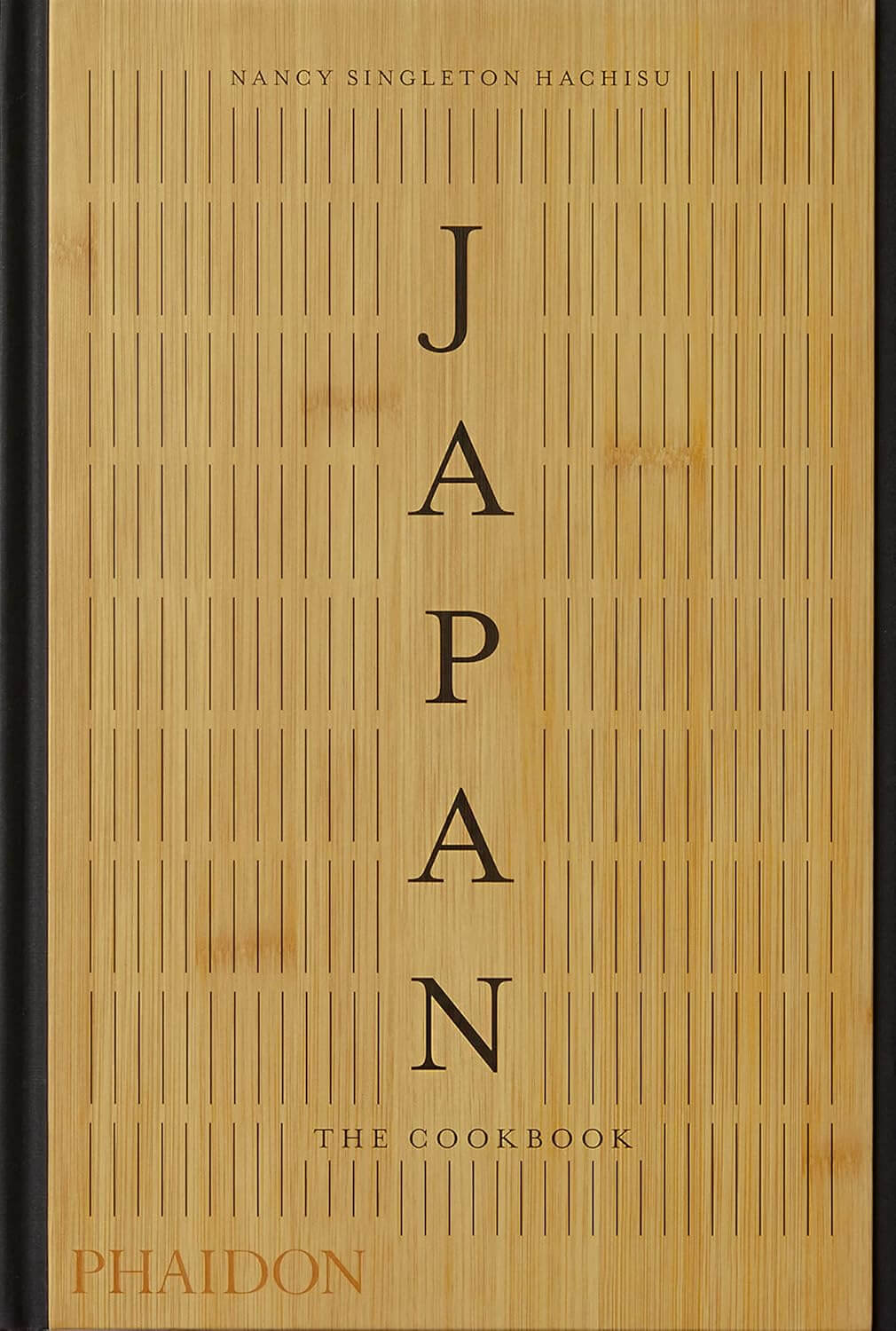
| Author | Nancy Singleton Hachisu |
| Publisher | Phaidon |
| Subject | Japanese home cooking, comprehensive |
| Price | ~$55 |
Phaidon's national compendiums are the closest thing publishing has to an encyclopaedia that looks good on a table.
What I keep returning to: The restraint. Hachisu has lived and cooked in rural Japan for decades, and the book documents home cooking rather than restaurant cooking — recipes that run four lines, ingredient lists that stop at three items. Phaidon's house style for the series carries it: heavy stock, a single dominant colour, one authoritative typographic voice. It's the least showy book on this list and probably the one that will still be in print in twenty years.
The honest downside: It's a reference work, and reference works are dry to browse. The photography is sparse relative to the recipe count by design, so if someone wants to be seduced page by page, this will disappoint. Some ingredients require a proper Japanese grocer.
The bottom line: The pick for a serious cook. And it's the doorway to the whole Phaidon country series — Spain, Peru, Portugal, Korea, Latin America, North Africa, all at the same price and in the same format, so once you know someone likes one, you know what to give them next year.
Under $30
14. Cookies: The New Classics – Jesse Szewczyk
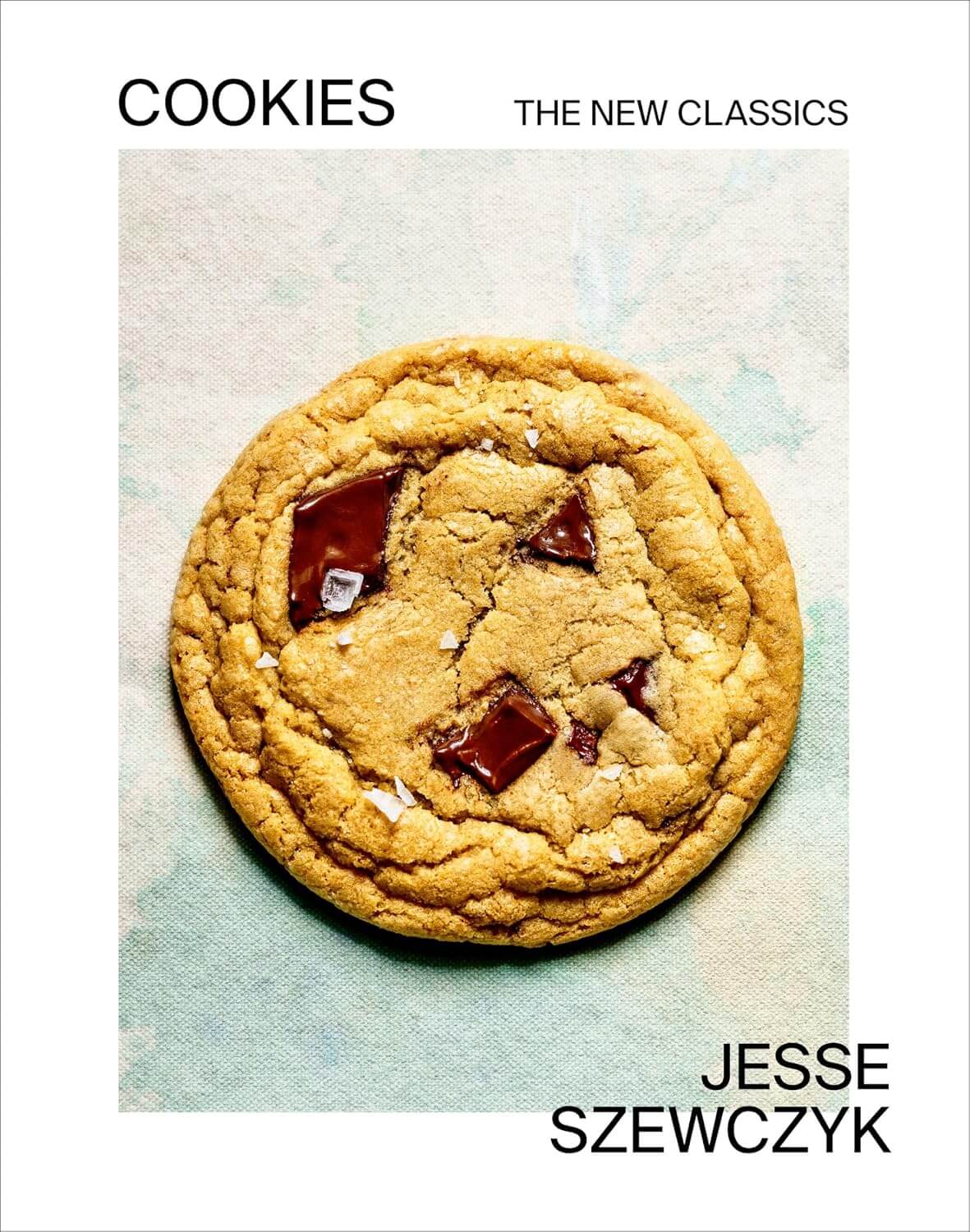
| Author | Jesse Szewczyk |
| Publisher | Clarkson Potter |
| Subject | 100 cookie recipes |
| Price | ~$28 |
The most giftable book here, and the one most likely to be actually used within a week of being unwrapped.
What I keep returning to: The photography treats cookies as objects — shot close, on colour, with the texture and crumb visible rather than styled into a lifestyle scene. That's a harder thing to do well than it sounds, and it makes the book browsable in a way most baking books aren't. The recipes lean toward unexpected combinations rather than another chocolate chip variation.
The honest downside: It's a single-subject book at a modest trim size — it won't hold a coffee table, and someone who doesn't bake will never open it. The flavour combinations that make it distinctive also mean fewer safe, crowd-pleasing recipes than a general baking book.
The bottom line: Under $30 and almost impossible to get wrong for anyone who bakes. Pairs well as a second gift alongside something larger.
15. Booze & Vinyl – André & Tenaya Darlington
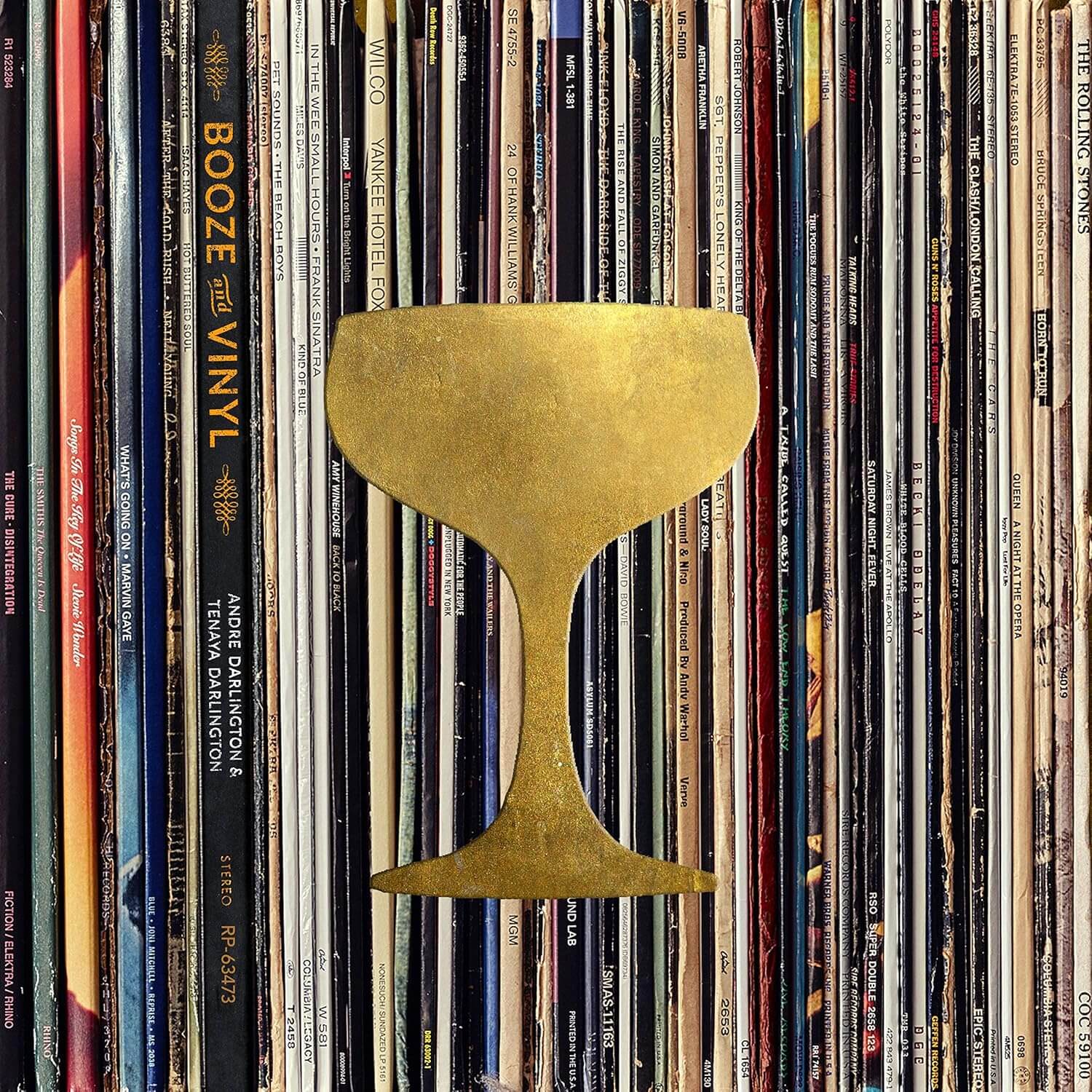
| Authors | André Darlington & Tenaya Darlington |
| Publisher | Running Press |
| Subject | 70 albums, each paired with two drinks |
| Price | ~$27 |
The most purely fun book on this list, and the one people ask to borrow.
What I keep returning to: The premise does something no other book here does — it gives you an activity rather than a task. Seventy albums, each with a side-A and side-B cocktail, organised by mood. The design borrows from record sleeves rather than from cookbooks, which is why it looks like nothing else on the shelf. And it works as a party object: you put it out, someone picks it up, and twenty minutes later there's a record on.
The honest downside: It isn't a cookbook, and the drinks are straightforward rather than technically interesting — a serious cocktail person will find the recipes basic. The album selection also skews classic-rock and boomer-canon in places, which either lands or doesn't depending on the recipient.
The bottom line: $27 for the most reliably enjoyable book on this page. The obvious gift for someone with a turntable.
The Lay-Flat Test
Here is the thing nobody checks before recommending a beautiful cookbook: does it stay open?
A book that snaps shut the moment you let go is useless on a counter. You end up weighting it with a jar, propping it against the backsplash, or — the usual outcome — photographing the page with your phone and cooking from the screen, which defeats the entire point of owning it. Binding decides this, not beauty:
- Sewn binding with a flexible spine stays open once broken in. This is what most well-made cookbooks in the $30–45 range use.
- Heavily glued or tightly cased bindings — common on large-format art-style volumes — fight you. The heavier the paper stock, the worse it gets.
- Swiss and exposed-spine bindings look extraordinary and behave unpredictably; some lie perfectly flat, some don't hold a page at all.
- Very thick books have a physical problem the binding can't solve: at 400-plus pages, the block itself is the weight working against you.
The general pattern is that the books designed to be read on a table are the ones that resist being used on a counter — which is exactly the trade-off this list exists to make visible. Before you buy for a serious cook, open the book at the middle of the block, put it down, and let go. If it closes, it's a shelf book, and that's fine as long as everyone knows it.
I'll be adding book-by-book results here as I test them. If you own any of these and want to tell me how yours behaves, I read every email.
Two Lemon Books, and Three Gourmands
This category has a duplication problem that catches people out, and it's worse than it looks.
Two different books about lemons came out within a year of each other, both beautiful, both priced within $5 of each other, both frequently recommended by the same shops:
| The Gourmand's Lemon | Squeeze Me | |
|---|---|---|
| Publisher | Taschen | Rizzoli |
| Pages | 272 | 116 |
| Price | ~$50 | $45 |
| Angle | Cultural history + 60 recipes | 50 recipes + original Ed Ruscha artwork |
| Buy it if | You want the lemon as a subject | You want the lemon as an art object |
They are not substitutes. The Taschen volume is a book about the lemon; the Rizzoli one is an artwork that contains recipes.
And the Gourmand series itself has three near-identical volumes — Lemon, Egg and Mushroom — all around $50, all in the same format, all with covers built the same way. If someone already owns one, they'll want a different subject rather than the same book again, and the covers make that genuinely hard to check in a hurry. Ask before you buy the second one.
Display or Cook: All 15, Sorted
The honest version of what everyone else lists as one undifferentiated group.
| Book | Price | Cook from it | Display it |
|---|---|---|---|
| Ottolenghi Flavor | ~$38 | ★★★★★ | ★★★★ |
| Cook This Book | ~$35 | ★★★★★ | ★★★★★ |
| Dining In | ~$38 | ★★★★★ | ★★★★ |
| Cook Beautiful | ~$45 | ★★★★ | ★★★★★ |
| Dessert Person | ~$38 | ★★★★★ | ★★★ |
| Salt, Fat, Acid, Heat | ~$35 | ★★★★ | ★★★★ |
| Noma 2.0 | ~$75 | ★ | ★★★★★ |
| The French Laundry Cookbook | ~$60 | ★ | ★★★★★ |
| Dalí: Les Dîners de Gala | ~$60 | ★ | ★★★★★ |
| The Gourmand's Lemon | ~$50 | ★★★ | ★★★★★ |
| Menu Design in America | ~$70 | — | ★★★★★ |
| Squeeze Me | $45 | ★★★ | ★★★★★ |
| Japan: The Cookbook | ~$55 | ★★★★★ | ★★★ |
| Cookies: The New Classics | ~$28 | ★★★★★ | ★★★ |
| Booze & Vinyl | ~$27 | ★★★★ | ★★★★ |
Five of the fifteen are honestly display objects. That's not a failing of those books — it's the information you need before spending $60 to $75 on one.
Which One to Give
Sorted by who's receiving it rather than by what it is.
For someone who's just started cooking. Salt, Fat, Acid, Heat. It explains why things work rather than what to do, which is the gap that stalls most beginners. Cook This Book is the alternative if they'd rather be shown than told.
For someone who already has every cookbook. Menu Design in America or Dalí: Les Dîners de Gala. The point is to go sideways, not deeper — a shelf full of cookbooks doesn't need another one, it needs something adjacent.
For someone who photographs their food. Cook Beautiful. It's the only book here that teaches plating as a discipline rather than demonstrating it.
For someone who reads about food more than they cook it. The French Laundry Cookbook or Noma 2.0. Both are better read than used, and both are honest about it.
For a housewarming or a dinner-party host. Booze & Vinyl at $27, or Dining In if the budget stretches. Both are books that get used the week they arrive.
For a serious cook with narrow taste. Japan: The Cookbook. And once you know they like the Phaidon format, the country series gives you an answer for the next several birthdays.
As a wedding or milestone gift. Squeeze Me. An art object with a Ruscha attached, at a price that doesn't require explanation.
When you have no idea. Ottolenghi Flavor. It's the highest floor on this list — beautiful enough to display, useful enough to open, and almost nobody dislikes it.
Two books beat one expensive one. Pair something large with something small: Noma 2.0 with Cookies: The New Classics, or Menu Design in America with Booze & Vinyl. It reads as more considered and hedges if you've misjudged the taste. And if you want the version that always lands — give the book alongside one ingredient from a recipe inside it. A jar of the specific chilli, the actual bottle of vinegar. It turns a book into a plan.
How to Choose
Under $30. Booze & Vinyl ($27) and Cookies: The New Classics ($28). Both punch far above the price and both get opened immediately.
$30–50. The strongest band on this list. Cook This Book, Salt Fat Acid Heat, Ottolenghi Flavor, Dining In, Dessert Person, Cook Beautiful, The Gourmand's Lemon, Squeeze Me. If you want beauty and use in the same object, buy here.
Over $50. Japan: The Cookbook, The French Laundry Cookbook, Dalí, Menu Design in America, Noma 2.0. Four of those five are display books. Buy at this level when you're certain about the subject, not when you're trying to signal effort.
On size. The books that look best on a table are usually the ones that behave worst on a counter. If the person cooks regularly, favour the $30–45 band. If the book is going to live in a living room, the large-format volumes earn their price.
Frequently Asked Questions
What is the most beautiful cookbook?
For pure object quality, Dalí: Les Dîners de Gala and Squeeze Me — the first for its illustrations, the second for Ed Ruscha's original artwork and the LoveFrom design. For a book that's beautiful and cooked from, Ottolenghi Flavor or Cook This Book.
What's the best cookbook to give as a gift?
Ottolenghi Flavor if you don't know their taste well — it has the highest floor on this list. Booze & Vinyl at $27 if you want something that gets used immediately. For a serious cook, Japan: The Cookbook.
Are aesthetic cookbooks actually usable?
Some are, some aren't, and the difference is rarely stated on the cover. Six of the fifteen books here are genuinely cooked from; five are display objects. The sorted table above breaks all fifteen down, and the lay-flat test explains the mechanical reason a beautiful book can fail in a kitchen.
What's the difference between The Gourmand's Lemon and Squeeze Me?
Both are lemon books published within a year of each other at similar prices. The Taschen volume is 272 pages of cultural history plus recipes; the Rizzoli one is 116 pages of Ed Ruscha artwork plus fifty River Café recipes. Different books for different people — see the comparison above.
Which cookbook publishers make the best-looking books?
Phaidon for reference volumes with real production values, Taschen for single-subject books treated as art objects, Clarkson Potter for the best-designed usable cookbooks in the $35–45 range, and Rizzoli for the art-crossover titles.
This article contains affiliate links. If you purchase through our links, we may earn a small commission at no extra cost to you. All books were independently selected on the basis of design quality, photography, and how they hold up in real use. Prices verified against publisher listings in August 2026.