10 Best F1 Coffee Table Books (2026)
After eight years and probably forty F1 books later, these ten have earned permanent shelf space — I break down the photography, access level, and who each book is actually for.
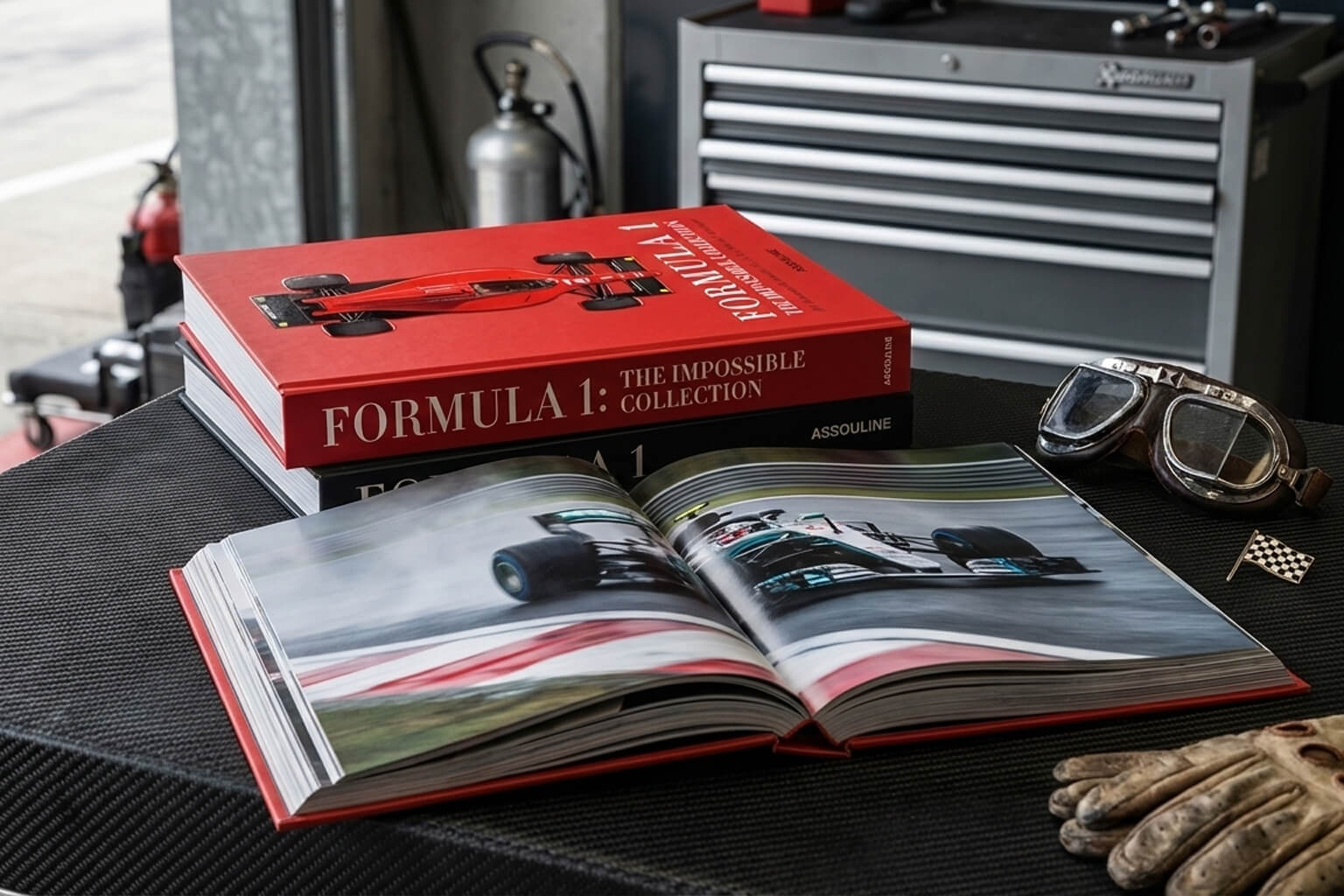
I've been collecting motorsport books since my first Grand Prix at Silverstone in 2017. After eight years and probably forty F1 books later, these ten have earned permanent shelf space. I break down the photography, the access level, and who each book is actually for — from Drive to Survive newcomers to lifelong tifosi.
Disclosure: This article contains affiliate links. If you purchase through these links, I earn a small commission at no extra cost to you. Every book recommended here has been personally reviewed — I only feature titles I'd display in my own home.
My Top 3 Picks at a Glance
Before diving into the full list, here's where I'd start depending on your situation:
- Best Overall: Formula 1: By Those Who Were There — unmatched paddock access, 700+ races of insider perspective
- Best for Newcomers: Grand Prix: An Illustrated History — accessible, comprehensive, won't overwhelm
- Best for Ferrari Fans: Ferrari by Pino Allievi (Taschen) — 688 pages of definitive Scuderia history
Now, let's get into each book.
1. Formula 1: By Those Who Were There — Peter Nygaard
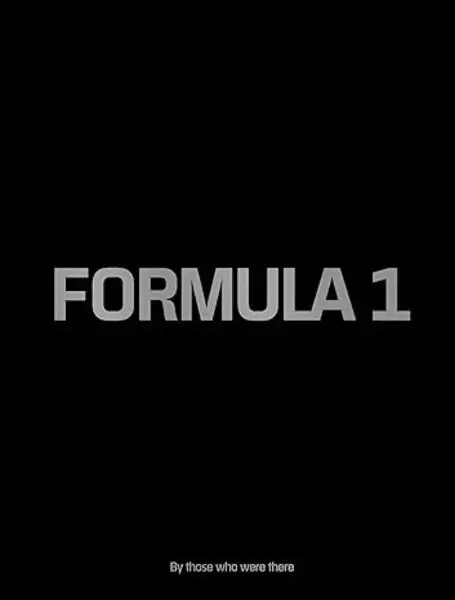
| Author | Peter Nygaard |
| Publisher | ACC Art Books |
| Pages | 272 |
| Dimensions | 9.65 x 1.1 x 12.6 inches |
| Weight | 4.2 lbs |
| Binding | Black Velvet |
| Best For | Serious F1 fans & paddock access |
This became my most-reached-for F1 book within weeks of buying it. Peter Nygaard has covered 700+ Grands Prix since 1982 — that's not marketing copy, that's genuinely unprecedented access. You feel it on every page.
What makes it essential: The 400+ images come from Nygaard's personal archive AND the official F1 Exhibition collection going back to 1950. The paddock shots are what set this apart — mechanics mid-pit-stop (pages 67-78), team principals in unguarded moments (pages 134-145), the commercial circus behind the racing (pages 198-220). The interviews with drivers and team owners provide firsthand accounts you won't find anywhere else. The black velvet binding sounds gimmicky but actually feels premium in hand.
The honest downside: At 272 pages, it's shorter than I expected for the price. Some historical eras get compressed treatment — the 1950s-70s feel rushed compared to the modern coverage Nygaard witnessed personally. And if you want technical deep-dives on car development, this isn't your book; it's about people and moments, not engineering.
The bottom line: The best behind-the-scenes F1 book currently in print. If you want to understand what it's actually like inside the paddock, nothing else comes close.
2. Grand Prix: An Illustrated History of Formula 1 — Will Buxton
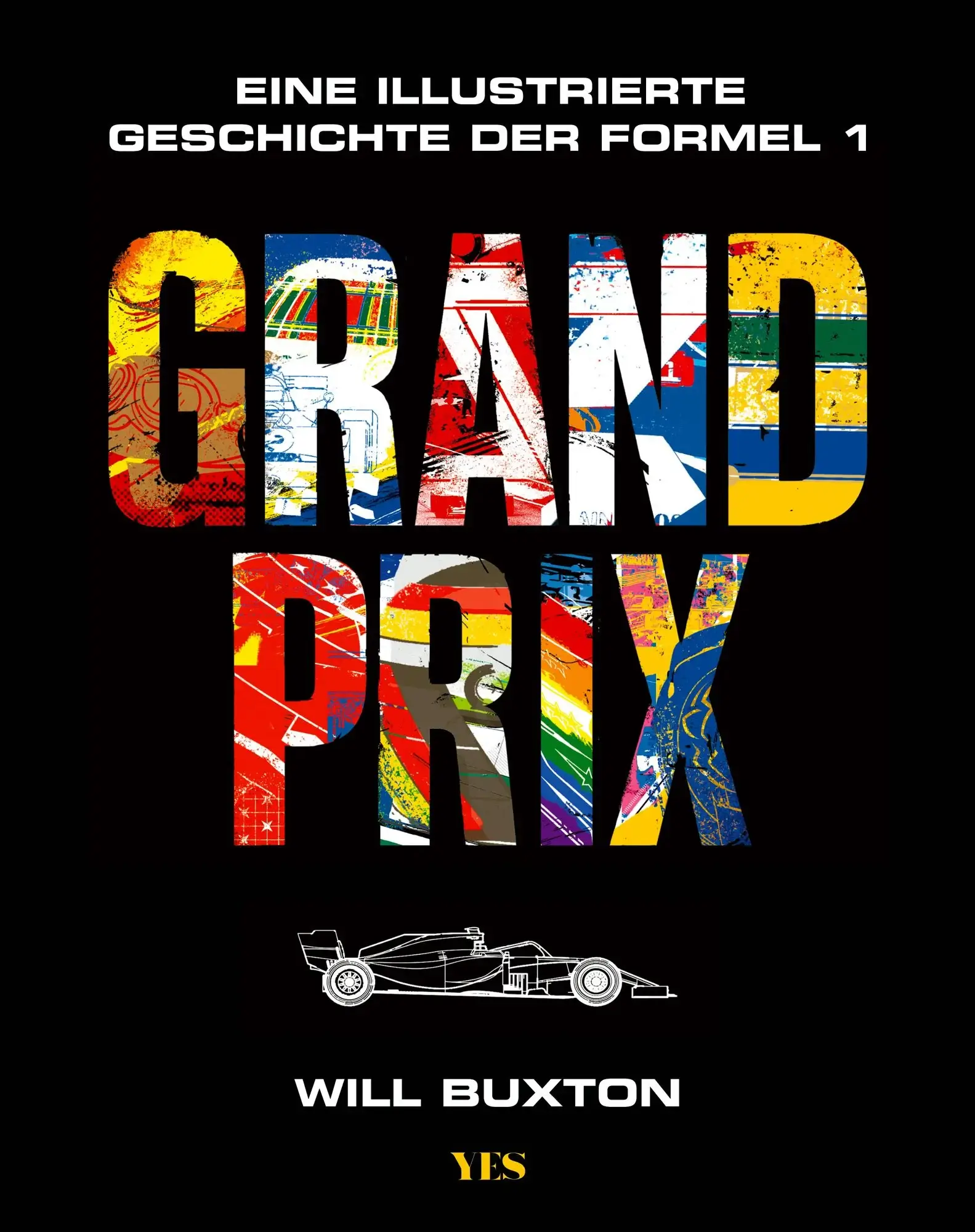
| Author | Will Buxton |
| Publisher | Welbeck |
| Pages | 224 |
| Dimensions | 10.2 x 0.9 x 12.1 inches |
| Weight | 3.1 lbs |
| Year | 2023 |
| Best For | Newcomers & gift-giving |
If someone tells me they just got into F1 through Drive to Survive and wants a book, this is what I recommend. Will Buxton (F1 TV pit lane reporter) structures it decade-by-decade, which makes 70+ years of history actually digestible.
Why it works for newcomers: The decade structure means you can jump to any era without feeling lost. The 1950s Silver Arrows chapter (pages 12-34) sets context without overwhelming. The modern era coverage (pages 156-210) connects to drivers and teams new fans actually recognize. Buxton writes accessibly without dumbing things down — he respects readers while remaining approachable.
The honest downside: If you've been following F1 for years, you won't learn much new here. The photography is good but not exceptional — it's archival rather than exclusive access. At $30, the production quality reflects the price point; paper stock is decent but not premium. This is an introduction, not a reference.
The bottom line: The best entry point for new F1 fans. Buy this for the friend who just discovered the sport, or for yourself if you want to fill historical gaps without committing to expensive collector editions.
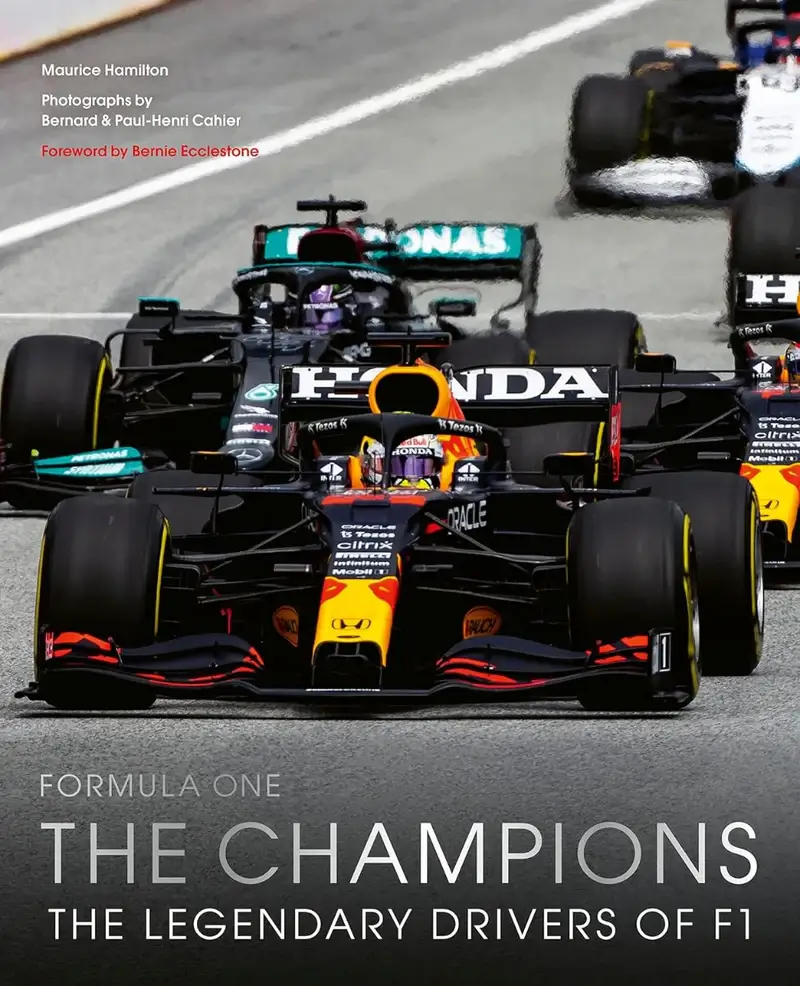
3. The Champions: 70 Years of Legendary F1 Drivers
| Publisher | Motorbooks |
| Pages | 256 |
| Dimensions | 10.3 x 1.0 x 12.5 inches |
| Weight | 3.8 lbs |
| Year | 2020 |
| Best For | Driver-focused fans & reference |
I bought this specifically to understand the pre-Senna champions better, and it delivered. All 33 world champions (through 2020) get dedicated coverage with season-by-season analysis — it's the most comprehensive driver-focused F1 book I've found.
What I keep returning to: The psychological depth sets this apart. The Lauda chapter (pages 89-104) explores his calculated approach to risk after the 1976 crash in ways TV documentaries miss. The Senna section (pages 134-152) goes beyond the mythology into his actual technique and spiritual approach to racing. Schumacher's obsessive physical conditioning regime (pages 167-178) explains his dominance better than just listing wins.
The honest downside: Publication date (2020) means no Verstappen championship coverage — you're missing the most recent history. Some earlier champions get thin treatment; Fangio's five titles warrant more than 12 pages. The archival photography varies in quality; 1950s images are grainy compared to the stunning modern shots.
The bottom line: Essential for understanding F1's human dimension. The driver profiles provide context that makes watching historical races (or appreciating current champions) much richer.
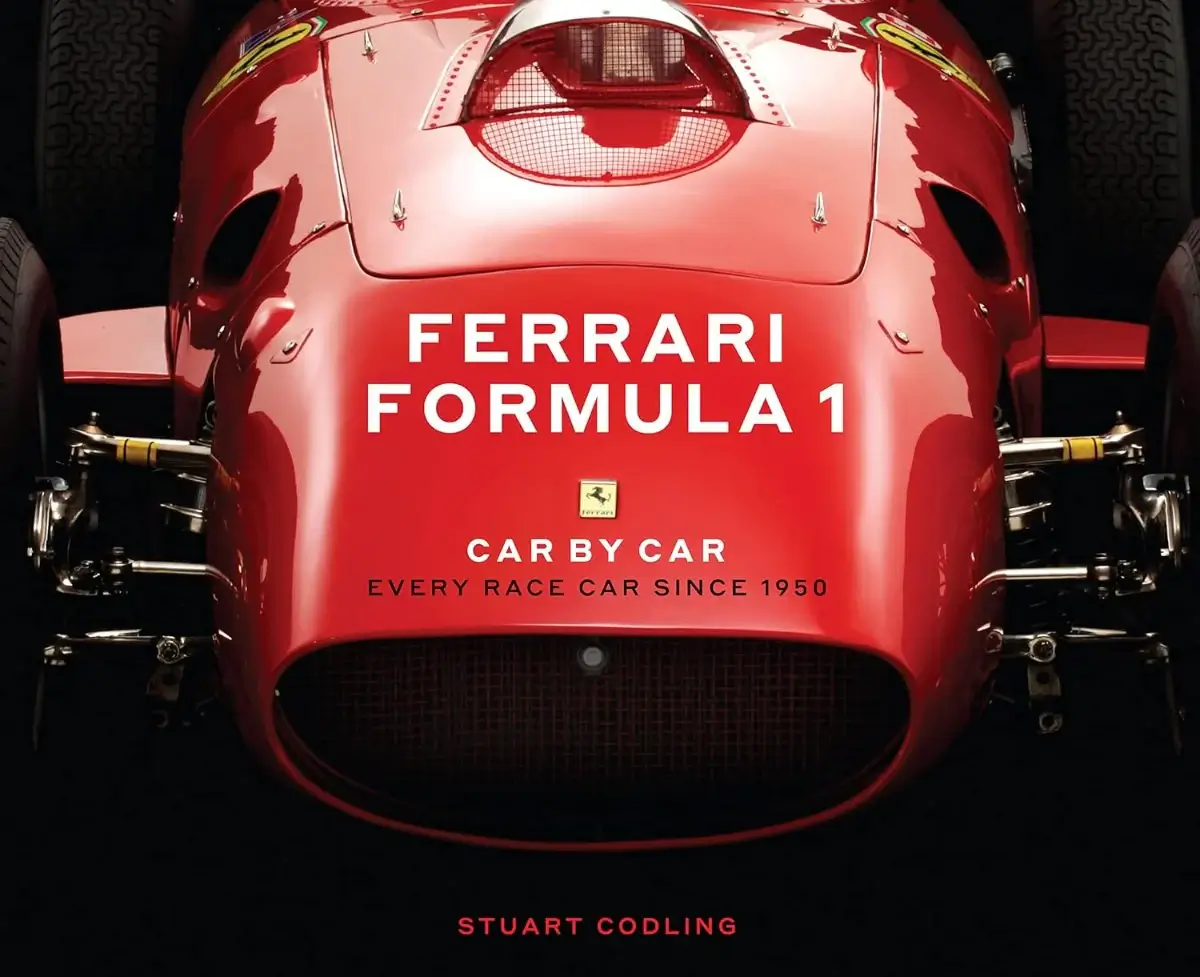
4. Ferrari Formula 1
| Publisher | Motorbooks |
| Pages | 312 |
| Dimensions | 10.5 x 1.3 x 12.8 inches |
| Weight | 4.5 lbs |
| Year | 2021 |
| Access | Official Scuderia Archives |
| Best For | Ferrari fans & technical depth |
I'm not even a Ferrari fan — I support McLaren — but this book earned shelf space through sheer quality. The official Scuderia archive access means chassis drawings, factory photography, and engineering details you simply can't get elsewhere.
Why it transcends team loyalty: The technical depth is remarkable. The V12 engine assembly sequences (pages 78-95) show 1960s Maranello craftsmen at work. Wind tunnel evolution documentation (pages 145-162) traces aerodynamic development across decades. The hybrid power unit chapter (pages 267-290) explains modern F1 technology through Ferrari's implementation. This isn't just celebrating victories — it's explaining HOW Ferrari achieved them.
The honest downside: The authorized nature means some sanitization. The Schumacher-era politics get glossed over; the 2005-2006 controversies barely appear. If you want critical analysis of Ferrari's failures and internal conflicts, look elsewhere. And at $60, you're paying Ferrari premium for what's essentially a thorough team history.
The bottom line: The best single-team F1 book available. Essential for tifosi, valuable for anyone interested in F1 engineering evolution. Just don't expect investigative journalism.
5. Ferrari — Pino Allievi (TASCHEN)
| Author | Pino Allievi |
| Publisher | TASCHEN |
| Pages | 688 |
| Dimensions | 11.0 x 2.6 x 14.7 inches |
| Weight | 11.2 lbs |
| Year | October 2025 |
| Best For | Definitive Ferrari reference |
At 688 pages and 11+ pounds, this is less a coffee table book and more a monument. Pino Allievi collaborated with Enzo Ferrari on Il Commendatore's final book — that access and credibility is irreplaceable.
What justifies the weight: The archive access is extraordinary — never-before-published photographs, sketches, and excerpts from Enzo Ferrari's personal diaries (pages 45-67). The F1 content is substantial: all 16 Constructors' Championships documented with technical evolution, every championship driver from Ascari to Schumacher profiled. The complete appendix of all Ferrari victories from 1947 to present (pages 612-678) is genuinely useful reference material.
The honest downside: This covers ALL of Ferrari — road cars, sports car racing, brand history — not just F1. Maybe 40% is Formula 1 specific. At $150 and 11 pounds, it's unwieldy; I don't casually browse this one. The original limited edition came in a Marc Newson-designed aluminum case for serious collectors; this unlimited edition with leatherette binding is more accessible but less special.
The bottom line: The definitive Ferrari book, period. If you care about Ferrari in any form, this belongs in your collection. Just be realistic about how often you'll actually pick up something this heavy.
6. SAND, SUNSETS & SPEED — RaceWKND

| Publisher | RaceWKND |
| Pages | 208 |
| Dimensions | 10.8 x 1.2 x 13.2 inches |
| Weight | 3.9 lbs |
| Format | Limited Signed Edition |
| Best For | Circuit photography & travel |
This is the F1 book for people who might not even like F1 that much. RaceWKND approaches the sport through landscape photography and travel writing — Monaco's Mediterranean glamour, Singapore's neon nightscape, Suzuka's forest setting. It's National Geographic meets motorsport.
What makes it different: The photography extends beyond race weekends to capture circuits at golden hour, pre-race buildup, and local culture surrounding each venue. The Singapore chapter (pages 45-62) captures the city-state's transformation for the night race. The Spa-Francorchamps section (pages 112-128) shows the Ardennes forest setting that makes that circuit feel magical. If you're planning your first Grand Prix trip, this is essential inspiration.
The honest downside: Limited racing action photography — this is about places, not cars. The signed limited edition format means availability fluctuates and prices can spike. The travel essay approach won't satisfy readers wanting technical content or historical depth. At $100, you're paying for aesthetic photography, not F1 journalism.
The bottom line: The most visually distinctive F1 book I own. Perfect for fans who appreciate F1's global spectacle, or for converting non-fans through pure visual appeal.
7. The Atlas of Car Design (Rally Red Edition)
| Publisher | Gestalten |
| Pages | 400 |
| Dimensions | 9.8 x 1.8 x 13.0 inches |
| Weight | 5.2 lbs |
| Feature | AR Integration |
| Best For | Design & engineering enthusiasts |
This isn't exclusively an F1 book — it covers automotive design broadly — but the F1 content is substantial and the approach is unique. The augmented reality QR codes let you explore cars through your smartphone in ways print simply can't match.
Why I included it: The technical depth on F1 aerodynamics (pages 234-267) explains ground effect, diffusers, and wing design better than any dedicated F1 book I've read. The 3D renders and cutaway overlays showing suspension geometry (pages 278-295) are genuinely educational. Designer interviews explain WHY F1 cars look the way they do — from 1960s sculptural elegance to modern aero-device aggression.
The honest downside: F1 content is maybe 25% of the book; the rest covers road cars, concept cars, and other motorsport categories. The AR features require smartphone interaction, which breaks the traditional coffee table browsing experience. At $150, you're investing heavily in content that's partially outside F1.
The bottom line: Essential for readers who want to UNDERSTAND F1 car design, not just admire it. If you've ever wondered why DRS exists or how ground effect works, this delivers.
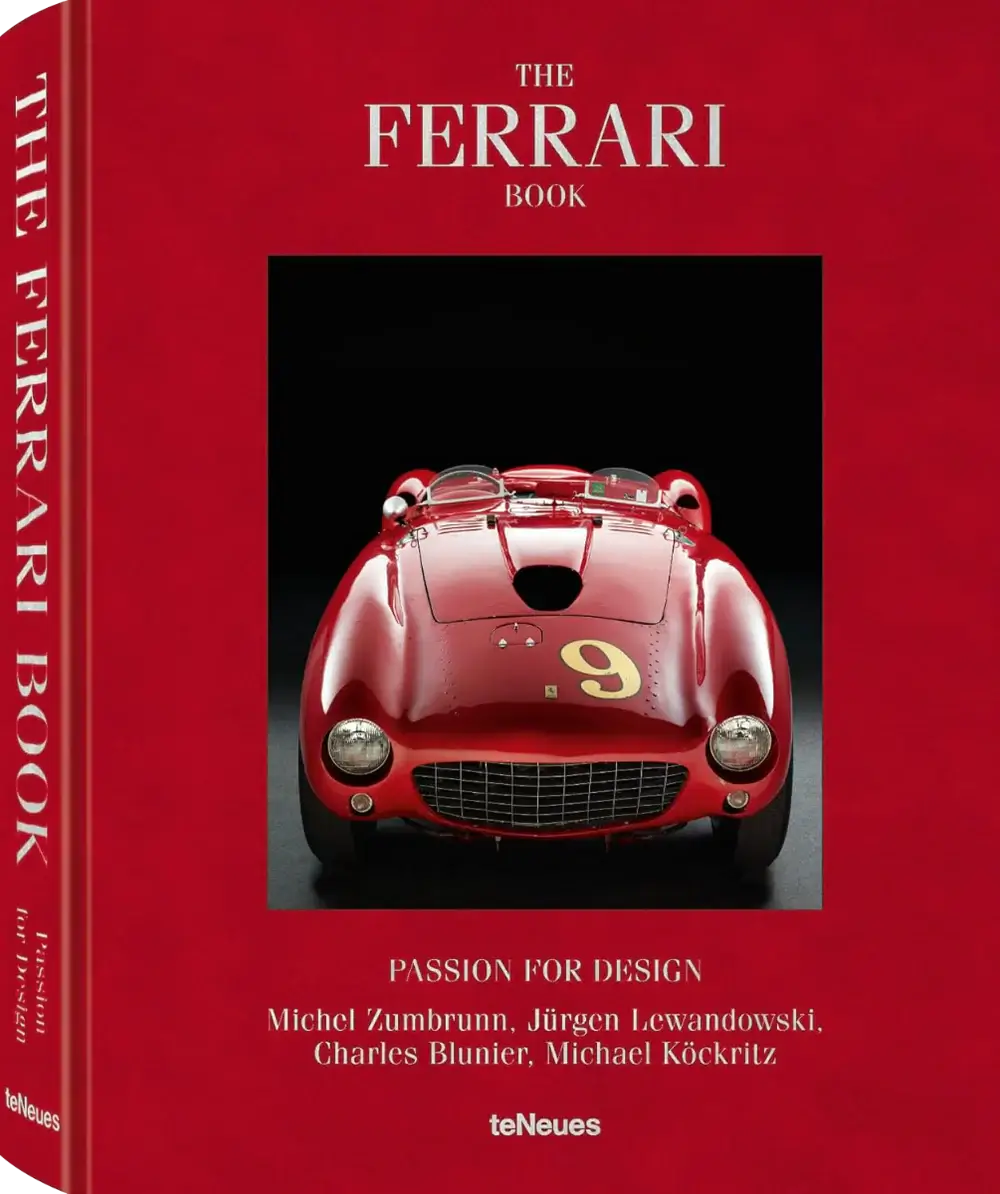
8. The Ferrari Book: Passion for Design
| Publisher | teNeues |
| Pages | 256 |
| Dimensions | 11.2 x 1.4 x 14.5 inches |
| Weight | 5.8 lbs |
| Year | 2022 |
| Best For | Design history & livery evolution |
If the Pino Allievi Taschen book is Ferrari's encyclopedia, this is Ferrari's art book. The focus is purely aesthetic — liveries, coachwork, concept sketches, and the design language that made Ferrari instantly recognizable.
What I appreciate: The studio photography captures curves and contours beautifully (pages 45-89 on 1960s sports racers are stunning). The Pininfarina collaboration insights (pages 112-134) reveal how Ferrari's design DNA developed. The livery evolution chapter (pages 178-210) traces how Ferrari Red, Marlboro branding, and Shell partnerships shaped visual identity. For fans who appreciate F1 as visual spectacle, this celebrates that dimension.
The honest downside: Very light on racing content — this is about how cars LOOK, not how they performed. Limited F1-specific coverage; sports cars and road cars dominate. The teNeues price premium ($150) feels steep for what's essentially a photography book. If you want racing history, look elsewhere.
The bottom line: A beautiful object for design enthusiasts. Buy this for your coffee table's visual impact, not for F1 education.
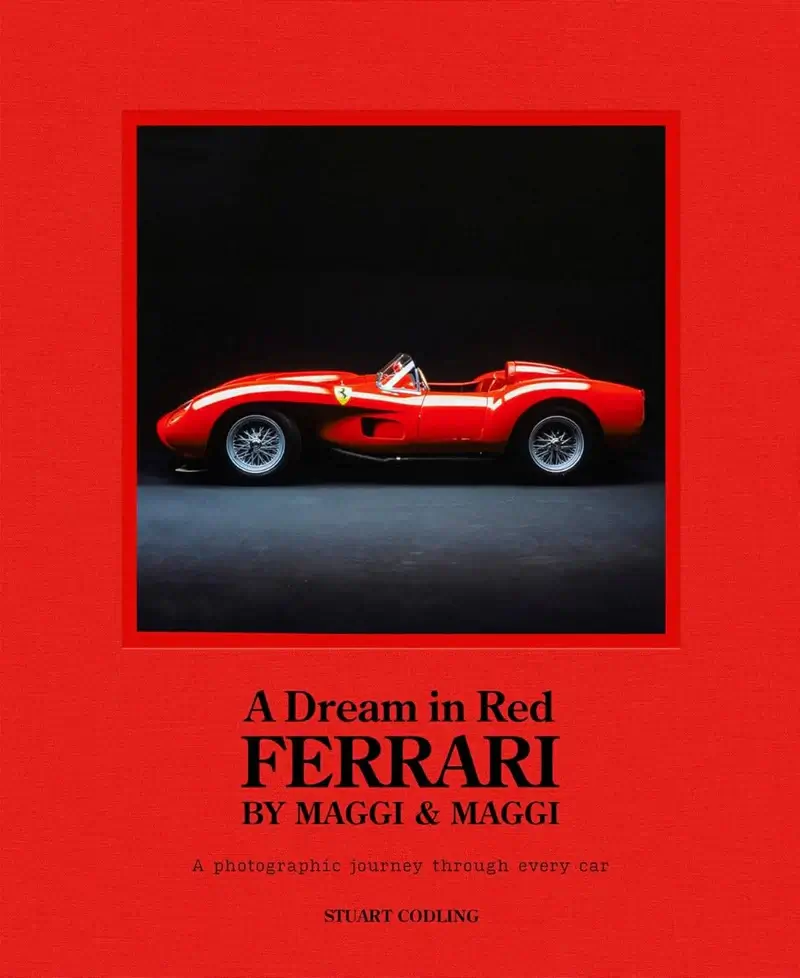
9. A Dream in Red — Ferrari
| Publisher | ACC Art Books |
| Pages | 240 |
| Dimensions | 10.0 x 1.1 x 12.0 inches |
| Weight | 3.6 lbs |
| Format | Deluxe Slipcase |
| Best For | Ferrari mythology & accessible price |
At $50, this is the most accessible Ferrari book that still feels premium. The deluxe slipcase presentation adds shelf appeal, and the F1 chapter provides solid championship-by-championship coverage without overwhelming.
Why I recommend it at this price: The F1 section (pages 134-198) covers championship seasons chronologically with technological context — flat-12 engines, turbo era, hybrid transition. The archival materials and exclusive interviews provide behind-the-scenes access that feels genuine. The slipcase protects the book while looking intentional on display. For Ferrari fans who can't justify $150 for the Taschen edition, this delivers substantial value.
The honest downside: Less comprehensive than dedicated Ferrari F1 books; the broader brand focus means F1 gets maybe 30% of page count. The photography is good but not exceptional — you won't find the archive access of the Pino Allievi book. Some sections feel like brand marketing rather than independent journalism.
The bottom line: The best Ferrari book under $75. Perfect entry point for developing tifosi or as a gift when the Taschen edition feels excessive.
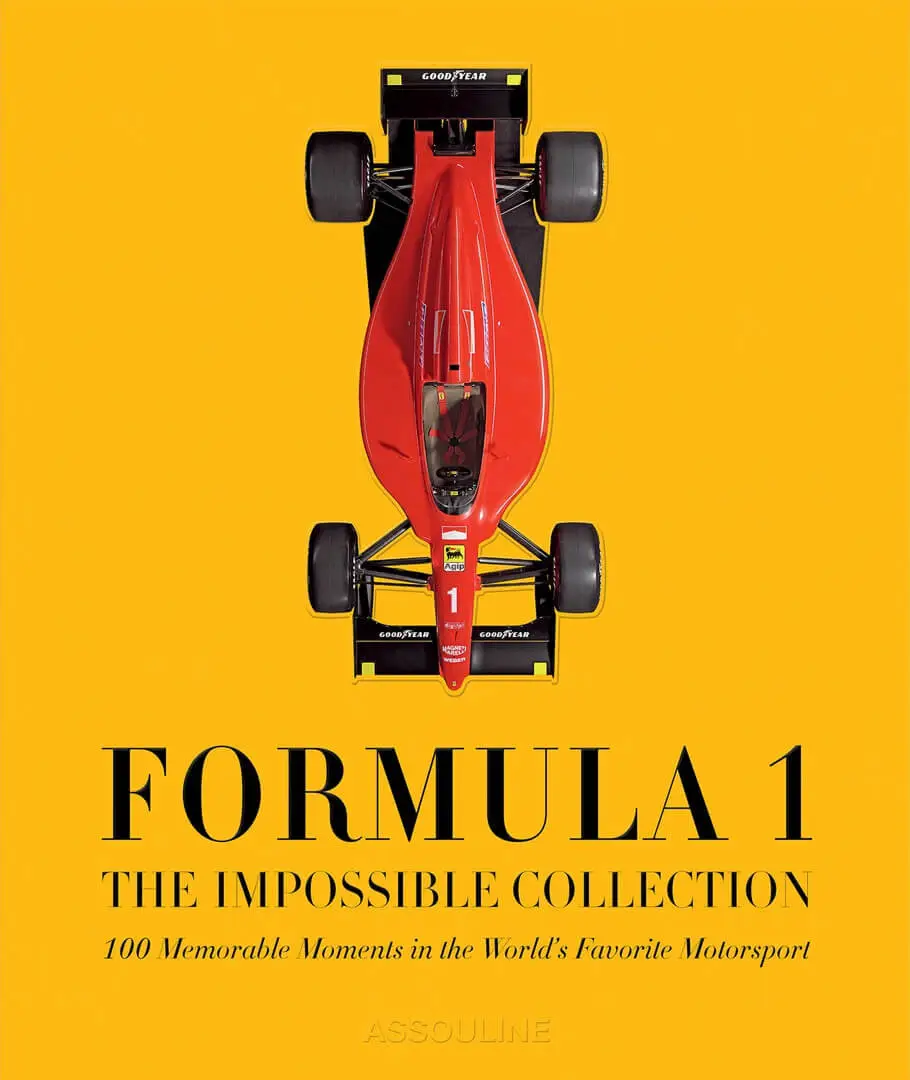
10. Formula 1: The Impossible Collection, 2nd Edition
| Publisher | Assouline |
| Pages | 204 |
| Dimensions | 16.0 x 4.0 x 20.0 inches |
| Weight | 18.5 lbs |
| Format | Magnetic Closure Hardcover |
| Best For | Ultra-luxury collectors |
I need to be honest: I don't own this book. At $1,400, I've only experienced it at a friend's home and at the Assouline store. But it deserves inclusion because for serious collectors, it's the pinnacle of F1 publishing.
What justifies the price: 100 of the most remarkable F1 cars ever, each with dedicated spreads featuring expert essays, technical specifications, and racing history. The Mercedes W196, the Lotus 79, the McLaren MP4/4, the Brawn BGP 001 — every selection tells a unique story. The magnetic-closure presentation feels more like fine art than traditional publishing. The format (16 x 20 inches) means photographs display at gallery scale.
The honest reality: At nearly $1,400 and 18+ pounds, this is a display piece, not something you'll casually browse. The price-per-page ratio is astronomical. Limited editions have appreciated in value, but you're gambling on collectibility. For 99% of F1 fans, this is aspirational rather than practical.
The bottom line: The ultimate F1 collector's item. If money isn't a constraint and you want the most prestigious F1 book available, this is it. For everyone else, admire from a distance.
Quick Comparison
| Book | Best For | Price | Weight | My Rating |
|---|---|---|---|---|
| By Those Who Were There (Nygaard) | Paddock access | $80 | 4.2 lbs | ★★★★★ |
| Grand Prix (Buxton) | Newcomers | $30 | 3.1 lbs | ★★★★ |
| The Champions | Driver profiles | $45 | 3.8 lbs | ★★★★½ |
| Ferrari Formula 1 | Technical depth | $60 | 4.5 lbs | ★★★★½ |
| Ferrari (Taschen/Allievi) | Definitive Ferrari | $150 | 11.2 lbs | ★★★★★ |
| Sand, Sunsets & Speed | Circuit photography | $100 | 3.9 lbs | ★★★★ |
| Atlas of Car Design | Engineering | $150 | 5.2 lbs | ★★★★ |
| Ferrari: Passion for Design | Design/liveries | $150 | 5.8 lbs | ★★★★ |
| A Dream in Red | Budget Ferrari | $50 | 3.6 lbs | ★★★★ |
| Impossible Collection | Ultra-luxury | $1,400 | 18.5 lbs | ★★★★★ |
How I'd Spend Different Budgets
Under $50: Grand Prix by Will Buxton ($30) for newcomers, or The Champions ($45) if you're more interested in drivers than overview history. Both deliver genuine value without compromise.
$50-100: Peter Nygaard's Formula 1 ($80) is the clear winner — unmatched access at a reasonable price. Add Grand Prix ($30) if you want to stay under $100 with two complementary books covering access + history.
$100-200: Two paths here. Ferrari fans: A Dream in Red ($50) + Ferrari Formula 1 ($60) = $110 for comprehensive Scuderia coverage. General F1 fans: Nygaard ($80) + The Champions ($45) + Grand Prix ($30) = $155 for a complete foundation.
$200-500: Ferrari by Pino Allievi ($150) as the centerpiece plus Nygaard ($80) for behind-the-scenes access. Or spread across: Nygaard ($80) + Ferrari F1 ($60) + The Champions ($45) + Sand, Sunsets & Speed ($100) = $285 covering every angle.
$1,000+: The Impossible Collection ($1,400) alone makes a statement. Or build the ultimate library: Taschen Ferrari ($150) + Nygaard ($80) + Atlas of Car Design ($150) + The Champions ($45) + Sand, Sunsets ($100) = $525 with money left for future releases.
Frequently Asked Questions
Which F1 book should I start with?
For newcomers: Grand Prix by Will Buxton ($30). For established fans wanting insider access: Formula 1 by Peter Nygaard ($80). For Ferrari fans specifically: A Dream in Red ($50) as entry point, Pino Allievi's Taschen edition ($150) for the definitive reference.
Are expensive F1 books worth it?
Depends on your definition of worth. The Taschen Ferrari ($150) offers archive access impossible to get elsewhere — I consider that worth it. The Impossible Collection ($1,400) is about prestige and collectibility; whether that's "worth it" is personal. The best value-per-insight remains Nygaard at $80.
Do any books cover the current era (2020s)?
Nygaard's 2024 book and Buxton's 2023 Grand Prix cover recent seasons. The Champions (2020) misses Verstappen's championships. Ferrari books document up to their publication dates. For truly current coverage, you'll need to supplement with newer releases or wait for updated editions.
I only watch Drive to Survive — which book should I get?
Start with Grand Prix by Will Buxton — he's an F1 TV personality you might recognize, and the accessible structure won't overwhelm. The Champions is good for understanding driver backstories that Netflix references. Avoid the technical books until you're deeper into the sport.
Which Ferrari book should I buy?
Budget under $75: A Dream in Red ($50). Want comprehensive F1 focus: Ferrari Formula 1 ($60). Want the definitive Ferrari reference regardless of F1 focus: Pino Allievi/Taschen ($150). Want pure visual design: Ferrari: Passion for Design ($150).
Are limited editions good investments?
Some appreciate significantly — early Impossible Collection editions have increased in value. Signed RaceWKND editions hold value. But treat any book purchase primarily as something you'll enjoy, not as investment. The resale market is unpredictable.
Last updated: January 2026. Prices fluctuate, especially for limited editions — I'll update when I notice major changes.