9 Best Brutalist Architecture Books (2026)
These nine Brutalist architecture books prove that concrete can be poetry — I break down photography quality, regional focus, and who each title is actually for.
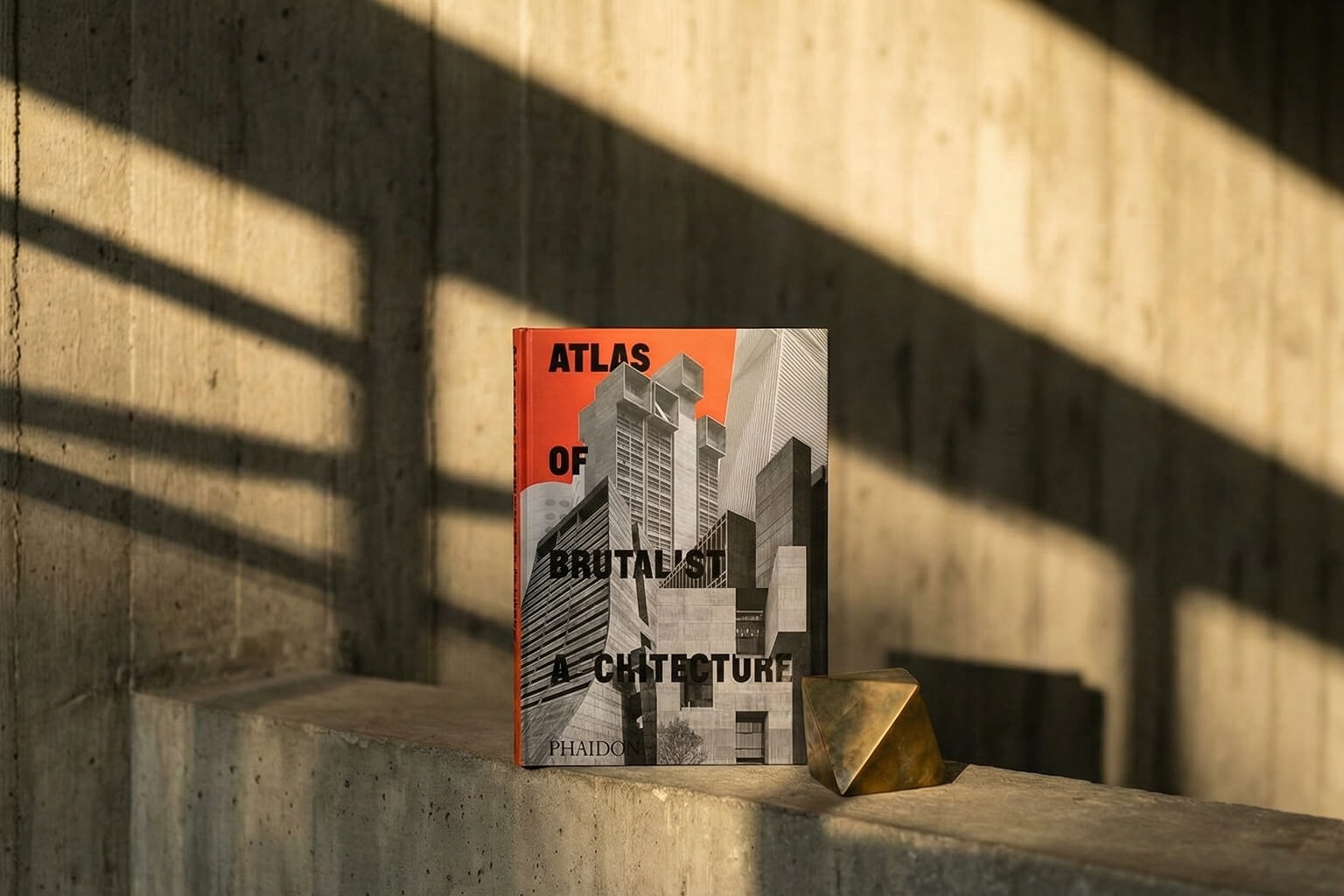
I discovered Brutalism during a rainy afternoon at London's Barbican. What most people dismiss as cold concrete, I saw as light and shadow playing across textured surfaces — poetry in raw material. That visit sent me down a rabbit hole of board-formed concrete, béton brut, and architects who believed buildings should be honest about their construction. These nine books are where I landed.
Disclosure: This article contains affiliate links. If you purchase through these links, I earn a small commission at no extra cost to you. Every book recommended here has been personally reviewed — I only feature titles I'd display in my own home.
My Top 3 Picks at a Glance
Before diving into the full list, here's where I'd start depending on your situation:
- Best Overall: Atlas of Brutalist Architecture — 850+ buildings across 100 countries, the definitive encyclopedia
- Best Photography: Brutalist Japan — proves concrete can be poetic, stunning light and shadow work
- Best for Beginners: Brutalism Reinvented — contemporary examples that challenge the "ugly concrete" stereotype
Now, let's get into each book.
1. Atlas of Brutalist Architecture
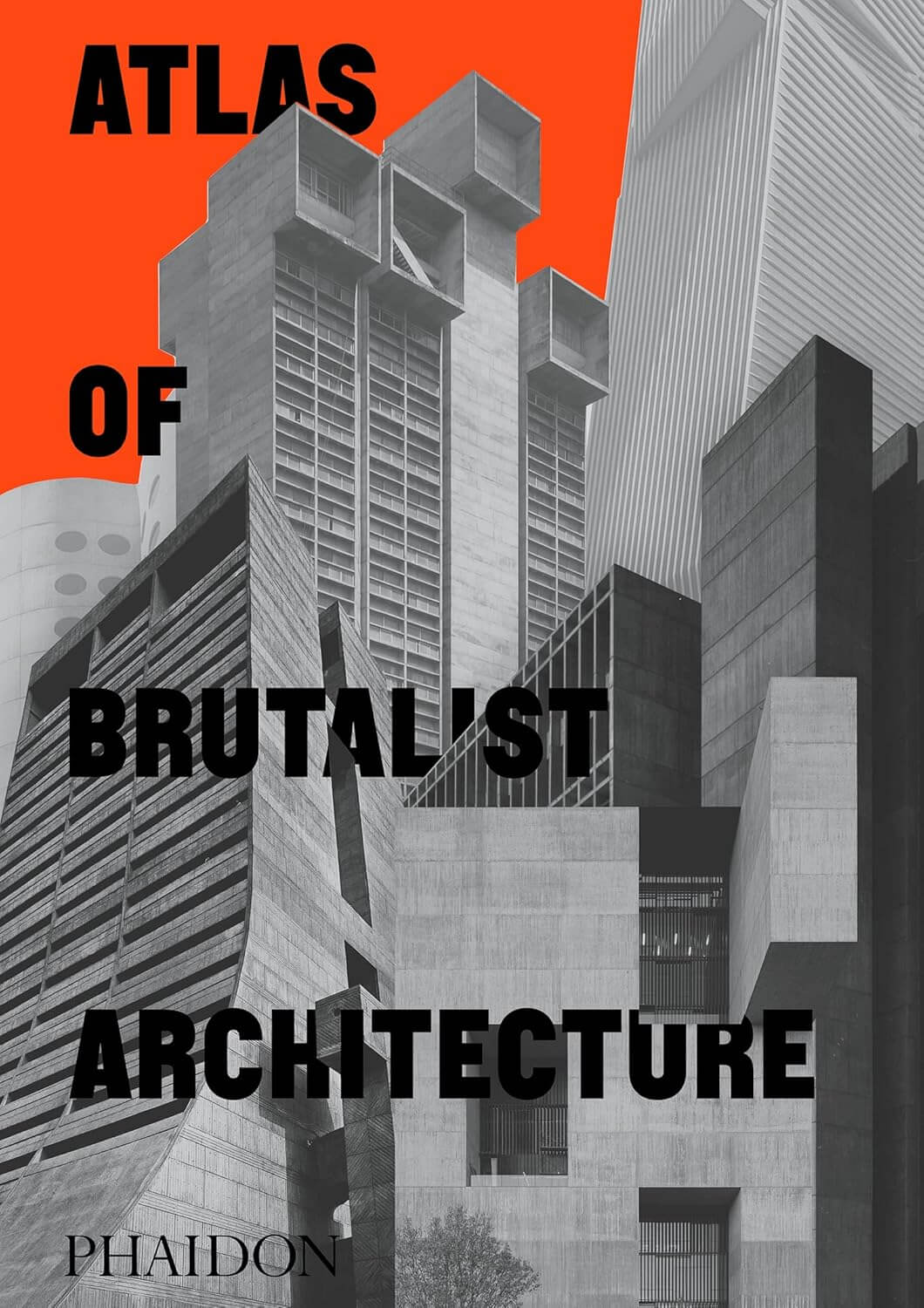
| Publisher | Phaidon |
| Pages | 560 |
| Dimensions | 10.9 x 2.4 x 14.6 inches |
| Weight | 8.2 lbs |
| Buildings Covered | 850+ |
| Countries | 100+ |
| Best For | Comprehensive reference & serious collectors |
This is the Brutalism book. If you're building a serious architecture library, this is where you start — and possibly where you end, because nothing else approaches its scope.
What makes it definitive: 850+ buildings across 100+ countries, organized geographically so you can explore Brutalism's global reach. The A-Z format (pages 34-512) covers everything from Alison and Peter Smithson's Robin Hood Gardens in London to Paulo Mendes da Rocha's São Paulo Athletic Club. Each entry includes construction dates, architects, current status (many are now demolished or threatened), and crisp photography showing the buildings in their best light.
Why the scope matters: Brutalism wasn't just a British or Soviet phenomenon — this book reveals examples in India, Brazil, Japan, Australia, and dozens of countries you wouldn't expect. The Yugoslav section (pages 234-267) documents monuments now drawing Instagram tourists. The African entries (pages 45-78) show post-independence optimism in concrete form. You'll discover buildings you've never heard of that deserve pilgrimage.
The honest downside: At 8+ pounds and 560 pages, this is genuinely heavy — you need furniture that can support it. The encyclopedic approach means breadth over depth; individual buildings get 1-2 pages maximum. The $70 price point is significant, though justified for the scope. And the sheer volume can feel overwhelming for casual interest.
The bottom line: The definitive Brutalism encyclopedia. Essential for serious architecture enthusiasts and anyone who wants to understand the movement's global impact. This is the book other Brutalism books reference.
2. Brutalist Japan
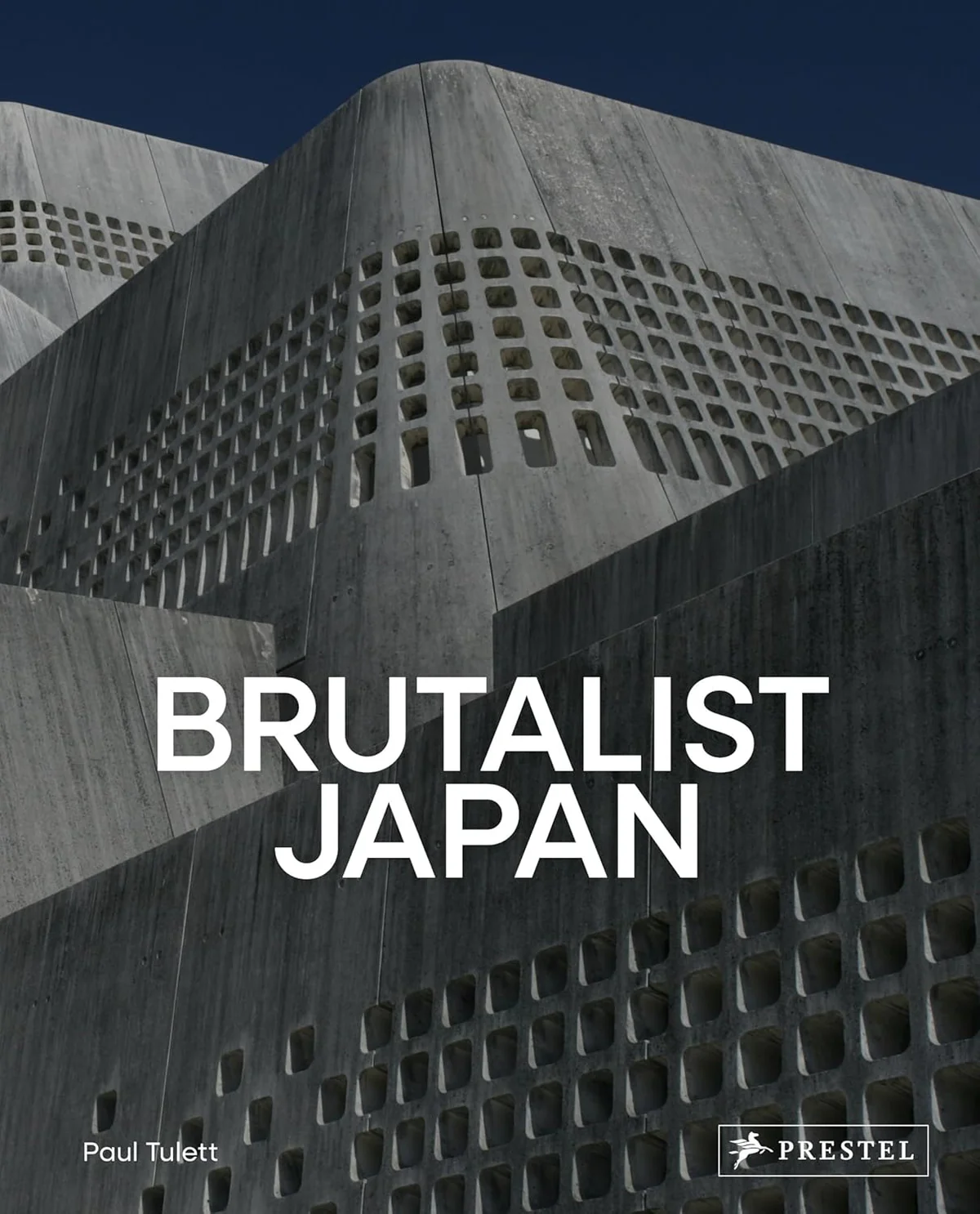
| Author | Paul Tulett |
| Publisher | Prestel |
| Pages | 224 |
| Dimensions | 9.4 x 1.0 x 11.0 inches |
| Weight | 3.2 lbs |
| Buildings Covered | 200+ |
| Best For | Photography lovers & Japanese architecture fans |
This book changed how I see concrete. I bought it before my first Japan trip and found myself hunting down buildings in Tokyo that weren't in any guidebook. Paul Tulett's photography proves that Brutalism can be beautiful — even spiritual.
What makes Japanese Brutalism different: Western Brutalism often feels imposing, even aggressive. Japanese Brutalism feels serene. Kenzo Tange and Tadao Ando transformed raw concrete into something almost meditative, integrating natural light and shadow in ways that soften the material. Tulett captures this through his consistent attention to how morning and afternoon light hits board-formed concrete surfaces.
Key buildings covered:
- Yoyogi National Gymnasium, Kenzo Tange (pages 34-45) — the 1964 Olympics masterpiece
- Church of Light, Tadao Ando (pages 89-98) — concrete made spiritual
- Nakagin Capsule Tower, Kisho Kurokawa (pages 145-156) — documented before its 2022 demolition
- National Museum of Western Art, Le Corbusier (pages 167-178) — the master's Tokyo footprint
- Kyoto Concert Hall, Arata Isozaki (pages 189-198) — brutalism meets acoustic engineering
The honest downside: At 224 pages, this is an introduction, not an encyclopedia. Serious scholars will want the Atlas alongside it. The photographic approach means less historical or technical context than academic texts. Some buildings are now demolished or inaccessible — this is partly documentation of what's being lost. And the Japanese focus means no coverage of the movement elsewhere.
The bottom line: The most beautiful Brutalism book I own. Essential for anyone who thinks concrete can't be poetic. If Japanese architecture interests you even slightly, this belongs on your shelf.
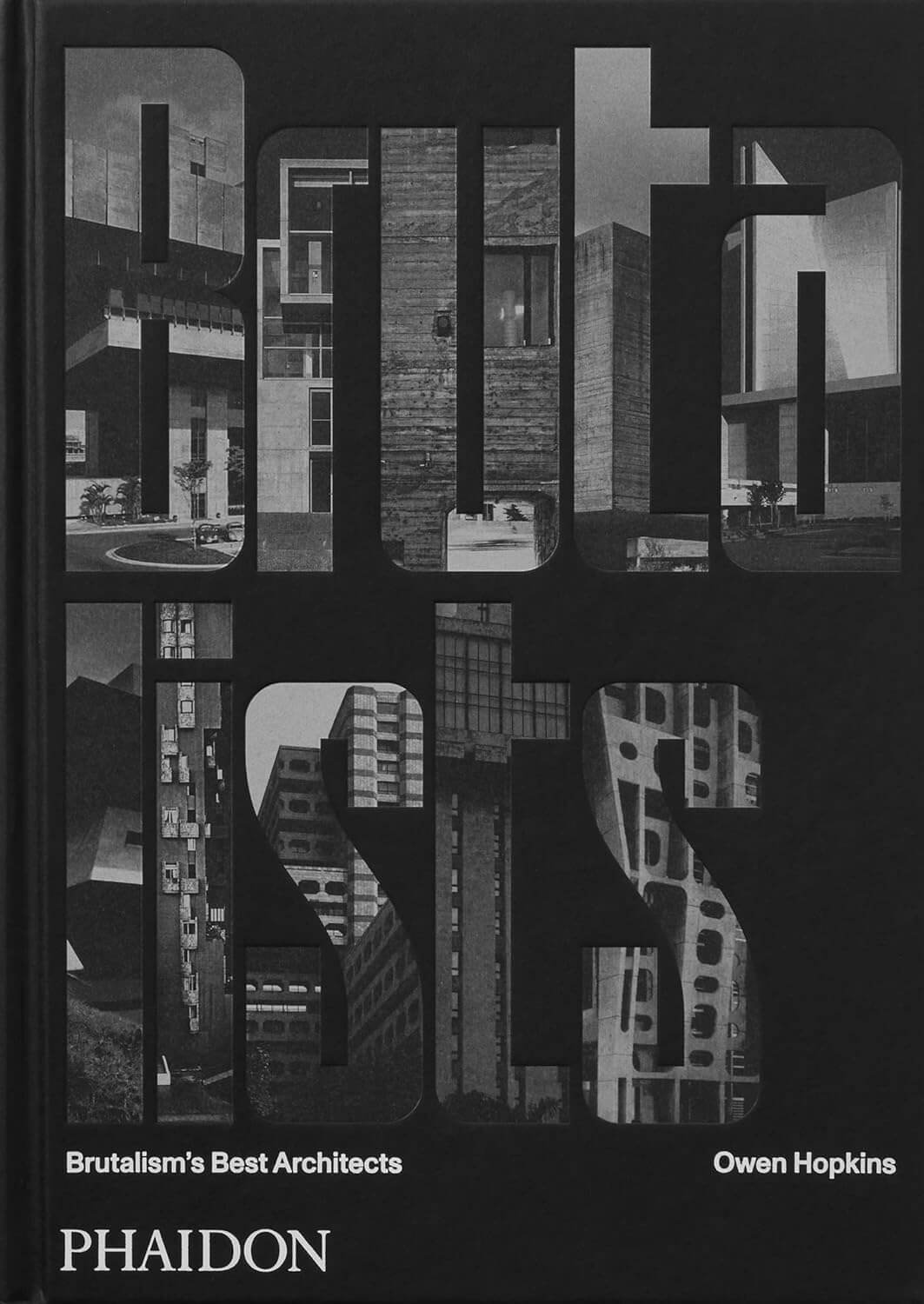
3. The Brutalists: Brutalism's Best Architects
| Publisher | Phaidon |
| Pages | 240 |
| Dimensions | 8.2 x 1.1 x 10.4 inches |
| Weight | 2.8 lbs |
| Architects Covered | 300+ |
| Best For | Understanding the people behind the buildings |
While most Brutalism books organize by building or geography, this one organizes by architect — and that shift in perspective changes everything. Buildings make more sense when you understand who designed them and why.
What the biographical approach reveals: 300+ architects arranged alphabetically, each with biography, key works, and critical context. You'll understand how Alison and Peter Smithson's social housing ideals shaped British Brutalism (pages 178-189), why Marcel Breuer moved from furniture to concrete (pages 56-67), and how Lina Bo Bardi brought Brutalism to Brazil with a distinctly feminist vision (pages 45-56). The cross-references between architects reveal influences and rivalries that pure building surveys miss.
Key architects featured:
- Le Corbusier — the godfather of béton brut
- Tadao Ando — concrete meditation from Japan
- Louis Kahn — light as building material
- Denys Lasdun — the National Theatre's controversial creator
- Moshe Safdie — Habitat 67's visionary
The honest downside: The biographical format means less detailed building coverage than the Atlas. At 240 pages covering 300+ architects, each gets limited space. Some lesser-known but important figures feel compressed. And the Phaidon premium pricing ($70) approaches the Atlas price for significantly fewer pages.
The bottom line: Essential companion to building-focused books. Understanding the architects transforms how you see their work. Buy this after the Atlas if you want depth, or instead if you prefer people to structures.
4. Concrete Architecture
| Editor | Phaidon Editors |
| Publisher | Phaidon |
| Pages | 464 |
| Dimensions | 11.3 x 1.6 x 9.3 inches |
| Weight | 5.1 lbs |
| Buildings Covered | 300+ |
| Time Span | 2,000 years |
| Best For | Material-focused study & broader context |
I've included this in my architecture coffee table books guide, but it deserves expanded coverage here. While technically broader than Brutalism, this book puts the movement in context — showing how concrete evolved from Roman engineering to Brutalist expression.
What the 2,000-year scope reveals: Brutalism didn't emerge from nothing. The chronological organization (pages 12-456) traces concrete from the Pantheon's dome through 19th-century industrial structures to modernist experiments to Brutalism's heyday to contemporary revivals. You'll understand why Brutalists chose concrete — not just for economy, but for honesty about materials and construction.
Brutalism coverage includes:
- Louis Kahn's Salk Institute (pages 312-334) — concrete as light-catcher
- Barbican Centre (pages 356-378) — London's controversial megastructure
- Boston City Hall (pages 289-298) — American Brutalism's monument
- Habitat 67 (pages 345-356) — Safdie's modular vision
- Felix Candela's shells (pages 267-289) — concrete as thin-shell sculpture
The honest downside: The broader material focus means Brutalism is one chapter among many — purists might want dedicated coverage. At $80, this is the most expensive book on this list. The Phaidon format prioritizes images over text; you'll want additional reading for deep historical context. And some buildings appear in multiple Phaidon titles, creating overlap for collectors.
The bottom line: Essential for understanding Brutalism within concrete's longer history. The best material-focused architecture book available. Buy this for context, the Atlas for encyclopedia.
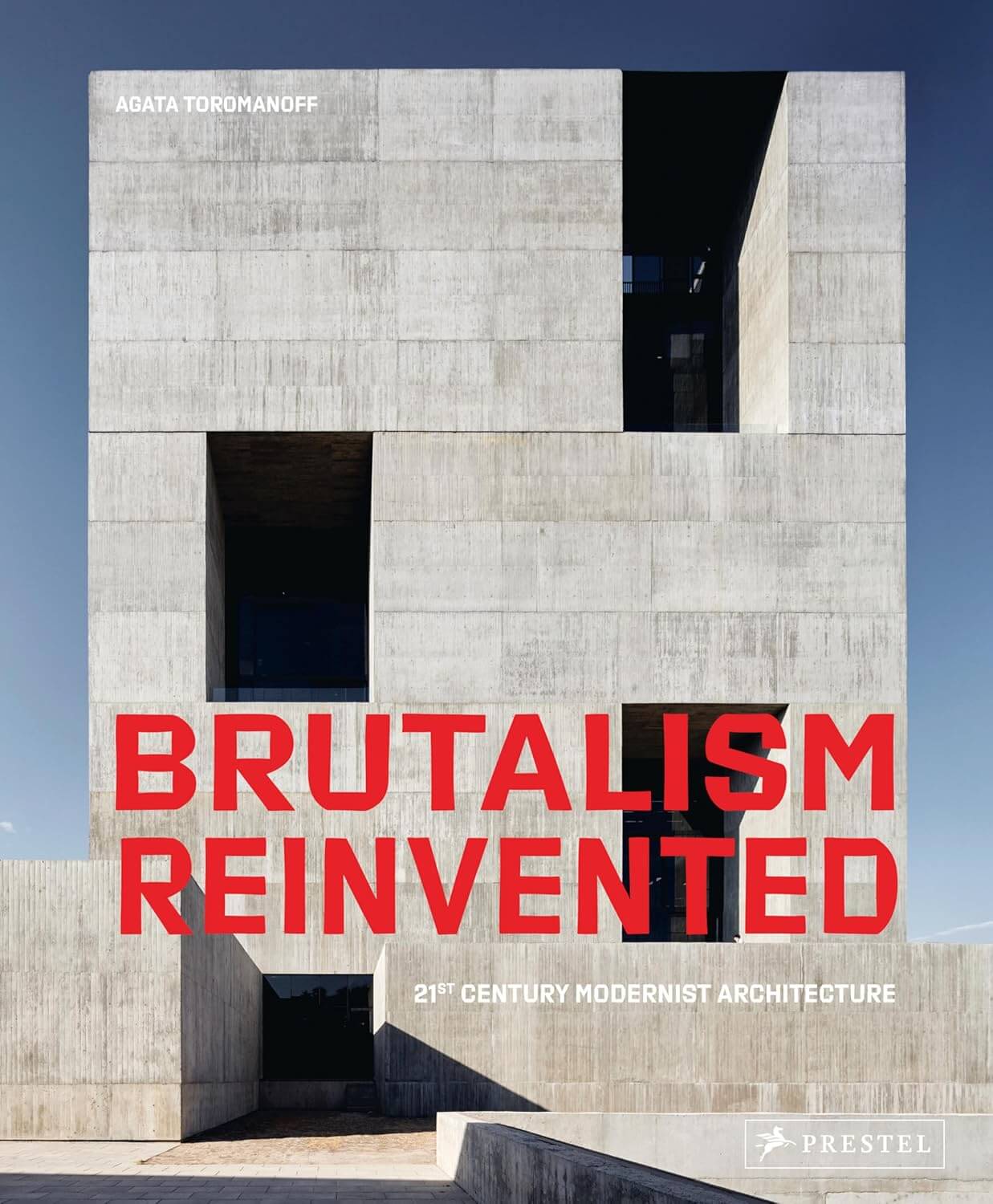
5. Brutalism Reinvented
| Author | Agata Toromanoff |
| Publisher | Prestel |
| Pages | 256 |
| Dimensions | 9.5 x 1.1 x 11.4 inches |
| Weight | 3.4 lbs |
| Focus | Contemporary Brutalism (21st century) |
| Best For | Beginners & contemporary architecture fans |
If someone tells me they hate Brutalism, I show them this book. Agata Toromanoff curates 21st-century projects that honor Brutalism's principles while addressing its critics — concrete that's warm, humane, and beautiful.
What contemporary Brutalism looks like: These aren't cold social housing blocks. You'll find residential homes with concrete as canvas for light play, cultural centers that invite rather than intimidate, and commercial spaces that prove raw materials can feel luxurious. The projects span from South America to Scandinavia, showing how different cultures interpret concrete's possibilities.
Why it works for skeptics:
- Focus on residential and cultural projects (more relatable than housing estates)
- Abundant natural light integration throughout featured buildings
- Vegetation and concrete combinations softening the material
- Smaller-scale projects alongside monumental structures
- Contemporary photography showing buildings in active, human use
The honest downside: The contemporary focus means no historical Brutalism — you won't find the Barbican or Habitat 67 here. At 256 pages, coverage is selective rather than comprehensive. Some purists argue these buildings aren't "true" Brutalism. And the $50 price point is mid-range for what's essentially a contemporary survey.
The bottom line: The best introduction for Brutalism skeptics. Shows what the movement's principles look like applied thoughtfully today. Start here, then explore the historical books once you're convinced concrete can be beautiful.
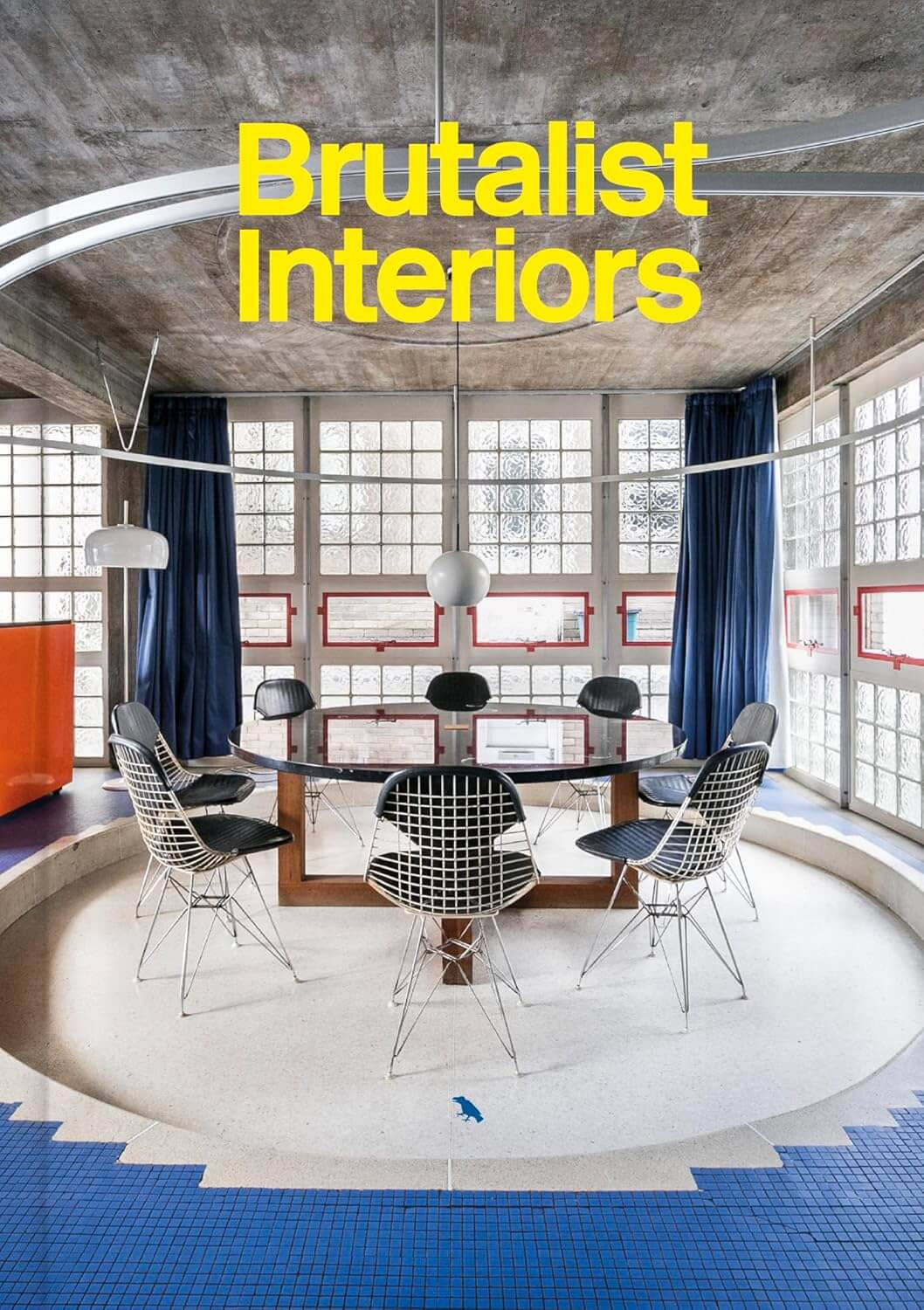
6. Brutalist Interiors
| Author | Blake Gopnik |
| Publisher | Thames & Hudson |
| Pages | 224 |
| Dimensions | 8.5 x 1.0 x 10.5 inches |
| Weight | 2.6 lbs |
| Focus | Interior spaces & living with concrete |
| Best For | Interior design enthusiasts & homeowners |
Most Brutalism books show exteriors — the monumental facades that define the style. This one goes inside, revealing how people actually live with concrete walls, exposed structure, and raw materials. It's the bridge between architecture appreciation and interior design application.
What interior focus reveals: You'll see how furniture softens or enhances concrete surfaces, how lighting transforms raw materials throughout the day, and how color accents work against grey backdrops. The residential sections (pages 89-145) are particularly valuable — real homes where people chose to live with exposed concrete, not just visit it.
Practical takeaways for your own space:
- Textile layering against hard surfaces
- Warm lighting strategies for cold materials
- Furniture selection that complements rather than fights concrete
- Plant integration (echoing the Brutalist Plants concept)
- Color theory for grey-dominated spaces
The honest downside: Less architectural history than other books — this prioritizes decoration over construction. Some interiors feel styled for photography rather than actual living. At $50, it's mid-range pricing for what's essentially an interior design book. And the focus on luxury Brutalist interiors may not translate to normal apartments.
The bottom line: Essential if you're drawn to Brutalist aesthetics for your own home. The interior focus fills a gap that exterior-focused books miss. Buy this alongside an architecture book for complete coverage.
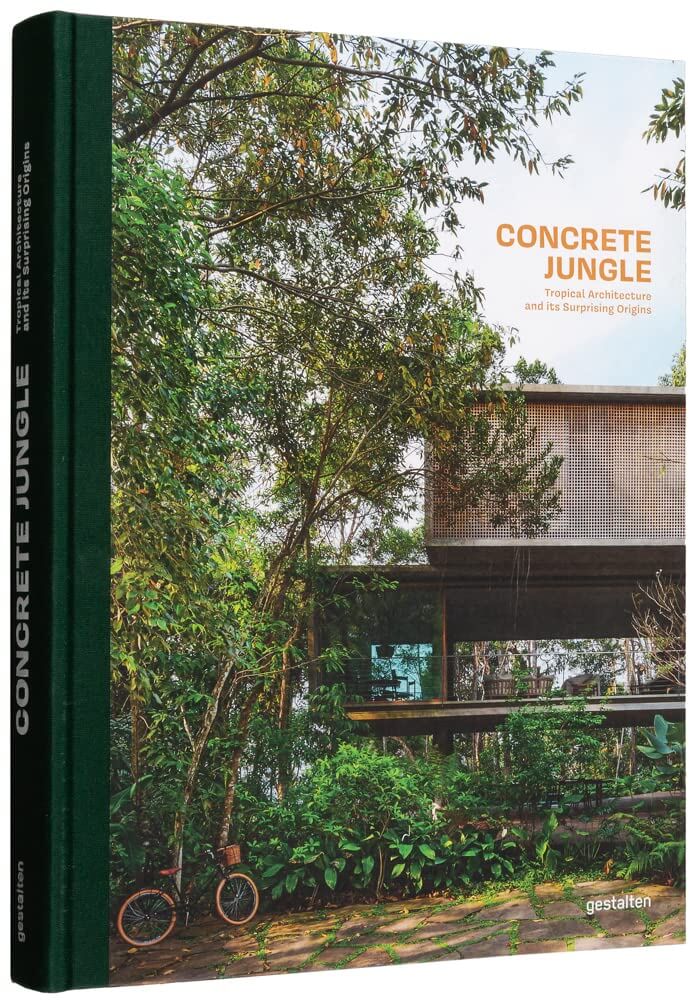
7. Concrete Jungle: Tropical Architecture and Its Surprising Origins
| Publisher | gestalten |
| Pages | 288 |
| Dimensions | 9.5 x 1.3 x 12.0 inches |
| Weight | 3.8 lbs |
| Focus | Tropical Brutalism & climate adaptation |
| Best For | Those interested in climate-responsive design |
Brutalism in tropical climates — a combination that shouldn't work but brilliantly does. This gestalten publication explores how architects adapted concrete construction to hot, humid environments where thermal mass and shade become survival necessities.
What tropical context reveals: Brutalism's honest expression of structure works differently when that structure must manage heat, monsoons, and tropical light. You'll see innovative solutions: massive overhangs for shade (pages 78-112), perforated concrete screens for ventilation (pages 134-167), elevated structures for flood protection (pages 189-223), and integration with tropical vegetation that softens both aesthetics and microclimate.
Regions covered:
- Southeast Asia — postwar modernism in Singapore, Malaysia, Indonesia
- South Asia — Indian institutional architecture, Sri Lankan experimentation
- Latin America — Brazilian Brutalism's tropical innovations
- Africa — post-independence concrete statements
- Oceania — Australian and Pacific approaches
The honest downside: At $90, this is premium pricing. The tropical focus is inherently niche — if you're interested in British or Soviet Brutalism, this won't deliver. Some gestalten books prioritize visuals over substance; this balances better than most but still skews photographic. And the climate focus means less coverage of individual architects or movements.
The bottom line: Essential for understanding Brutalism beyond its European origins. The climate-adaptive approach feels increasingly relevant as sustainability concerns grow. A unique angle that other Brutalism books don't cover.
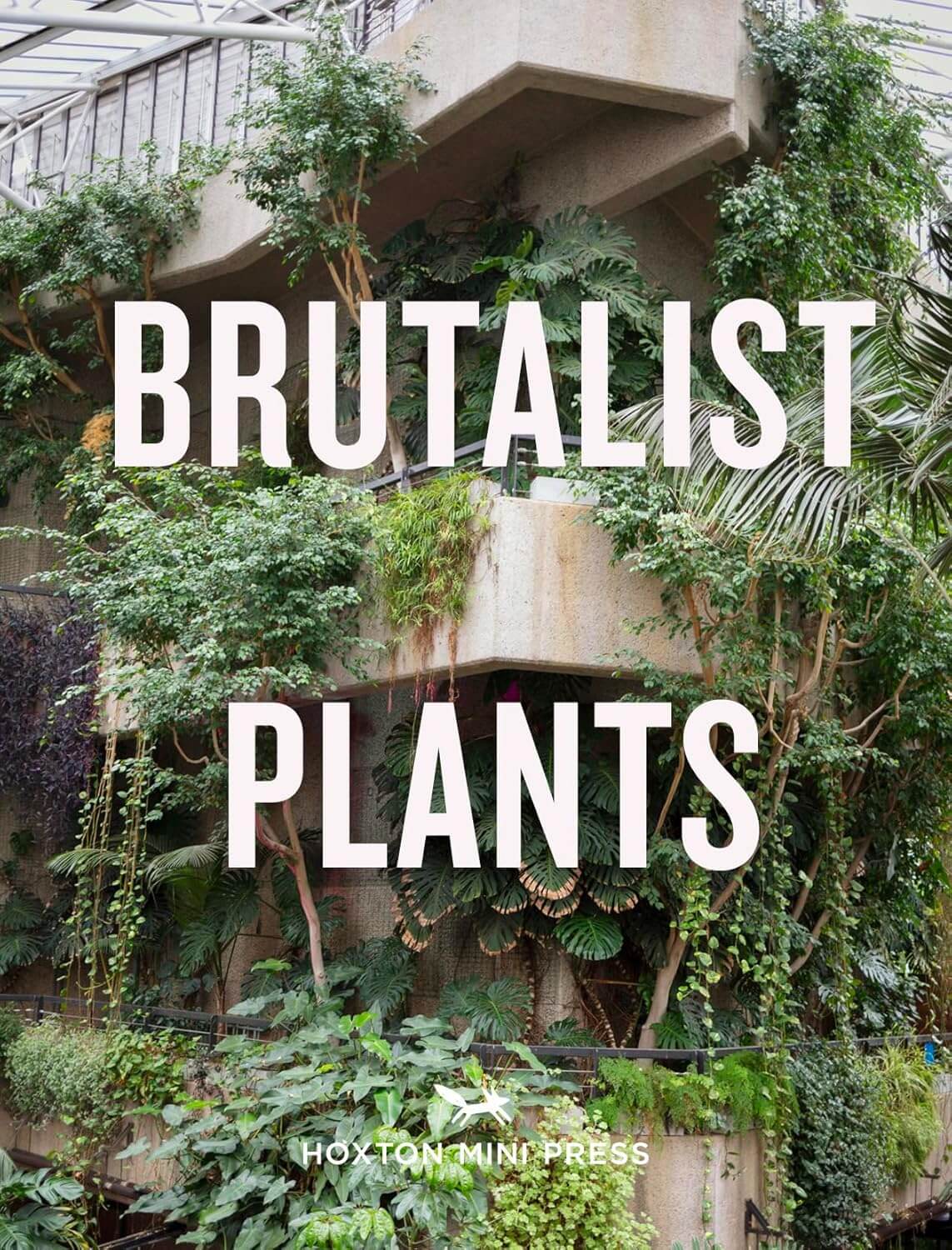
8. Brutalist Plants
| Author | Olivia Broome |
| Publisher | Hoxton Mini Press |
| Pages | 144 |
| Dimensions | 6.5 x 0.7 x 8.5 inches |
| Weight | 1.1 lbs |
| Focus | Plants integrated with Brutalist architecture |
| Best For | Gift-giving & plant enthusiasts |
This is the most unexpected Brutalism book I own — and one of the most delightful. Olivia Broome photographs plants growing in, on, and around Brutalist buildings, revealing how nature softens (or reclaims) concrete structures.
Why the combination works: The contrast between organic plant forms and geometric concrete creates visual tension that's somehow peaceful. Trailing vines against board-formed texture. Moss softening harsh edges. Trees bursting from planned concrete planters. The photographs celebrate both the architecture and the vegetation, showing how the two can coexist beautifully.
What you'll find inside:
- Deliberately planted balcony gardens on housing estates
- Wild vegetation reclaiming abandoned structures
- Rooftop gardens on Brutalist civic buildings
- Interior plantings in concrete lobbies
- The Barbican Conservatory's tropical oasis within concrete
The honest downside: At 144 pages in a small format (6.5" x 8.5"), this is a minor book compared to the architectural tomes on this list. The concept is clever but limited — you get the idea quickly. It's more gift book than reference material. And purists might question its inclusion in a serious Brutalism collection.
The bottom line: The perfect gift for someone who loves both plants and architecture. The $25 price point makes it an accessible entry into Brutalism appreciation. Not essential, but genuinely charming.
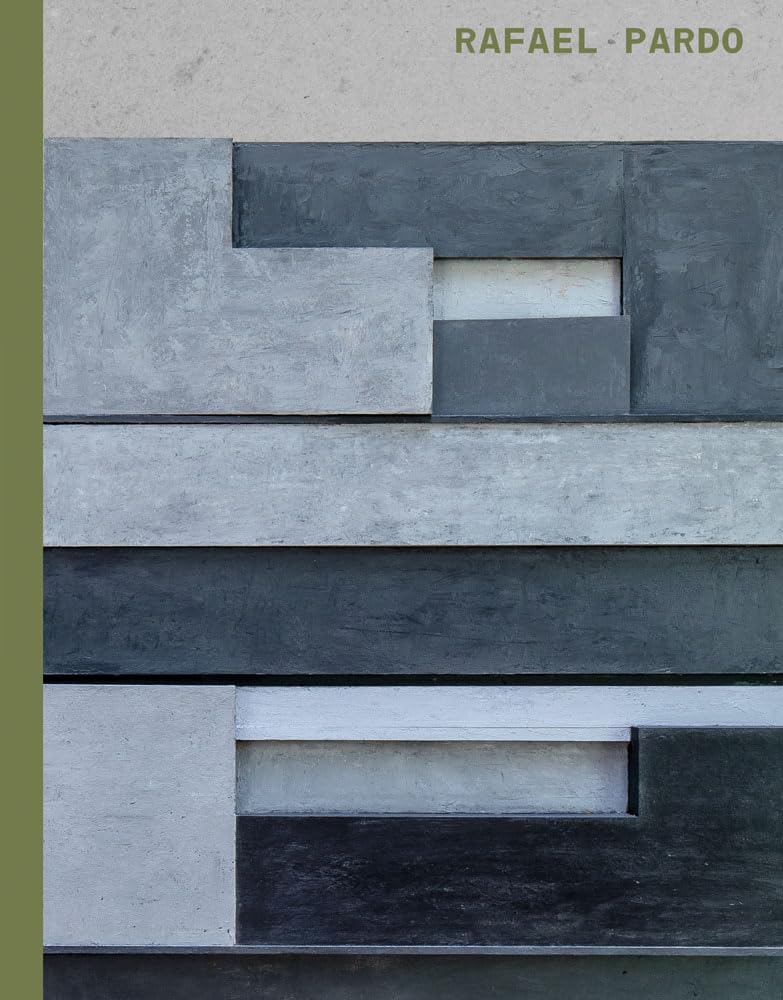
9. Rafael Pardo: Brutalism
| Author | Miquel Adrià |
| Publisher | Arquine |
| Pages | 160 |
| Dimensions | 8.0 x 0.8 x 10.0 inches |
| Weight | 1.8 lbs |
| Focus | Mexican Brutalism & single architect study |
| Best For | Latin American architecture & regional focus |
Mexican Brutalism remains underexplored in English-language publications, which makes this Rafael Pardo monograph valuable. Pardo's Mexico City work demonstrates how Brutalist principles adapt to seismic zones, intense sunlight, and Mexican construction traditions.
What the regional focus reveals: Mexican concrete has its own character — often warmer in tone than European or Japanese examples, integrated with local volcanic stone, and designed for earthquake resistance. Pardo's buildings respond to specific site conditions while honoring Brutalist honesty about materials and structure.
Key projects covered:
- Residential homes in Mexico City's hills
- Commercial buildings balancing Brutalism with tropical needs
- Civic structures demonstrating Mexican public architecture
- Details showing local craftsmanship in concrete finishing
The honest downside: At 160 pages focused on one architect in one country, this is niche within a niche. English translation quality varies. The Arquine publisher is less accessible than Phaidon or Prestel. And at $30, the price-per-page isn't exceptional value. Most readers should prioritize broader surveys first.
The bottom line: Essential for Latin American architecture completists. An interesting regional perspective for those who've exhausted mainstream Brutalism coverage. Not a starting point, but a valuable addition to a mature collection.
Quick Comparison
| Book | Best For | Price | Pages | My Rating |
|---|---|---|---|---|
| Atlas of Brutalist Architecture | Comprehensive reference | $70 | 560 | ★★★★★ |
| Brutalist Japan | Photography & Japanese focus | $50 | 224 | ★★★★★ |
| The Brutalists | Architect biographies | $70 | 240 | ★★★★½ |
| Concrete Architecture | Material history | $80 | 464 | ★★★★★ |
| Brutalism Reinvented | Contemporary examples | $50 | 256 | ★★★★ |
| Brutalist Interiors | Interior design application | $50 | 224 | ★★★★ |
| Concrete Jungle | Tropical adaptation | $90 | 288 | ★★★★ |
| Brutalist Plants | Gift & unique angle | $25 | 144 | ★★★½ |
| Rafael Pardo | Mexican regional focus | $30 | 160 | ★★★½ |
How I'd Spend Different Budgets
Under $50: Brutalist Japan ($50) delivers the most beautiful photography — proof that concrete can be spiritual. Or start with Brutalist Plants ($25) + Rafael Pardo ($30) = $55 for two unexpected perspectives.
$50-100: Two paths here. Photography focus: Brutalist Japan ($50) + Brutalism Reinvented ($50) = $100 for historical Japanese + contemporary global. Reference focus: Atlas of Brutalist Architecture ($70) alone — nothing else approaches its scope.
$100-150: Atlas ($70) + Brutalist Japan ($50) = $120 covers encyclopedia + photography. Or Atlas ($70) + The Brutalists ($70) = $140 for buildings + architects together.
$150-250: Build a serious foundation: Atlas ($70) + Brutalist Japan ($50) + Concrete Architecture ($80) = $200 for encyclopedia, photography, and material history. Add Brutalism Reinvented ($50) at $250 for contemporary context.
$250+: Complete collection: Atlas ($70) + Brutalist Japan ($50) + The Brutalists ($70) + Concrete Architecture ($80) + Brutalism Reinvented ($50) = $320 for comprehensive coverage. Add Concrete Jungle ($90) at $410 for tropical perspective and Brutalist Interiors ($50) at $460 for interior application.
Frequently Asked Questions
What is the best book on Brutalist architecture?
The Atlas of Brutalist Architecture by Phaidon ($70) is the definitive reference — 850+ buildings across 100+ countries. For pure photography, Brutalist Japan ($50) is the most beautiful. For contemporary examples, Brutalism Reinvented ($50) challenges the "ugly concrete" stereotype.
What is the best book about Japanese Brutalism?
Brutalist Japan by Paul Tulett ($50) is the definitive introduction — 200+ buildings photographed with exceptional attention to light and shadow. For individual architects, look for dedicated monographs on Tadao Ando or Kenzo Tange.
Are Brutalism books good coffee table books?
Excellent. Brutalist photography translates beautifully to large-format printing — the concrete textures, geometric shadows, and dramatic light need high resolution to appreciate. Books like Brutalist Japan and the Atlas are specifically designed for visual impact.
What's the difference between Brutalism and Concrete Architecture?
Brutalism is a specific movement (roughly 1950s-1980s) characterized by raw concrete (béton brut), bold geometric forms, and honest expression of structure. Concrete architecture covers the material across all eras — Roman domes, industrial structures, contemporary design. Phaidon's Concrete Architecture ($80) spans 2,000 years; the Atlas of Brutalist Architecture ($70) focuses on the movement specifically.
Is there a Brutalism book for beginners?
Brutalism Reinvented ($50) offers contemporary examples that challenge negative preconceptions — warm, humane, beautiful concrete. Brutalist Plants ($25) provides an accessible, unexpected entry point. Start with either before investing in the comprehensive Atlas.
Which Brutalism book is best for interior design inspiration?
Brutalist Interiors by Blake Gopnik ($50) focuses specifically on how people live with concrete — furniture, lighting, textiles that complement raw materials. Brutalism Reinvented ($50) also shows interiors of contemporary Brutalist homes.
Continue Your Architecture Exploration
If you're drawn to Brutalism, you'll likely appreciate these related guides:
→ 16 Best Architecture Coffee Table Books — comprehensive guide including Bauhaus, modernism, and more
→ Bauhaus Books (coming soon) — the movement that influenced Brutalism
→ Tadao Ando Books (coming soon) — the Japanese master of concrete
Last updated: January 2026. Prices fluctuate — I'll update when I notice major changes.