16 Best Architecture Coffee Table Books (2026)
After a decade of building this collection, these sixteen architecture coffee table books have earned permanent shelf space — I break down photography quality, content depth, and who each book is actually for.
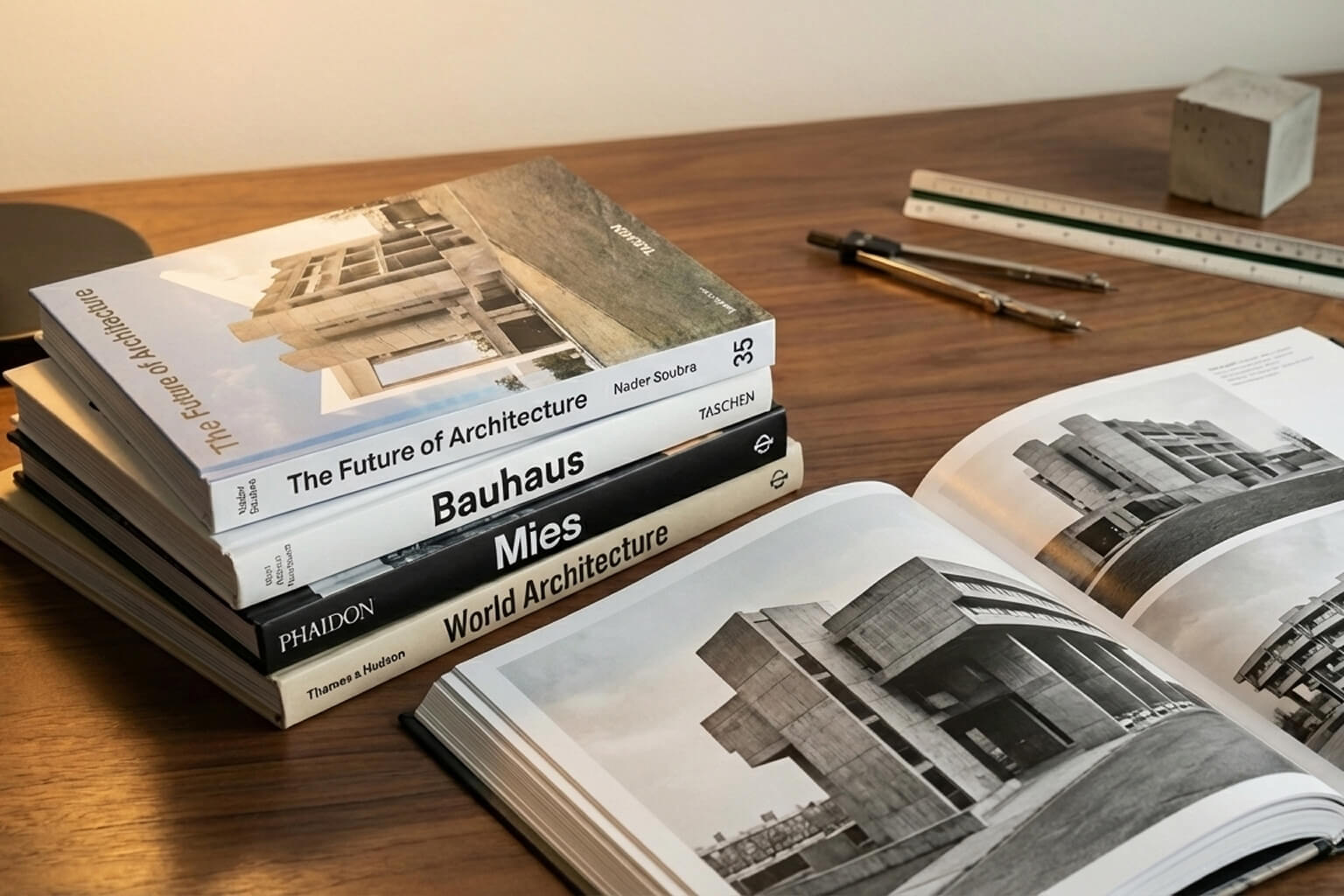
I started collecting architecture books during my first renovation — I needed inspiration and ended up discovering a whole world beyond Pinterest. After a decade of building this collection, these sixteen have earned permanent shelf space. I break down the photography quality, content depth, and who each book is actually for — from armchair architects to practicing professionals.
Disclosure: This article contains affiliate links. If you purchase through these links, I earn a small commission at no extra cost to you. Every book recommended here has been personally reviewed — I only feature titles I'd display in my own home.
My Top 3 Picks at a Glance
Before diving into the full list, here's where I'd start depending on your situation:
- Best Overall: World Architecture: The Masterworks — 105 buildings across 24 countries, extraordinary photography by an architect-turned-photographer
- Best for Beginners: Architectural Digest at 100 — accessible, celebrity-filled, spans a century of design
- Best for Serious Study: Mies by Detlef Mertins — the definitive monograph on modernism's most influential architect
Now, let's get into each book.
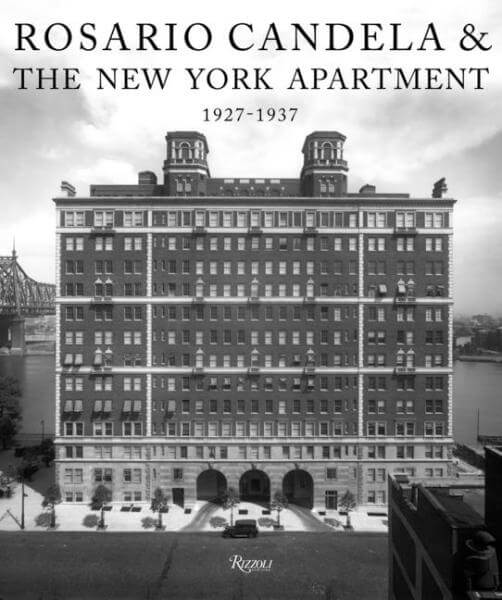
1. Rosario Candela & The New York Apartment: 1927-1937
| Authors | David Netto, Paul Goldberger, Peter Pennoyer |
| Publisher | Rizzoli |
| Pages | 304 |
| Dimensions | 12.25 x 1.4 x 10.25 inches |
| Weight | 4.8 lbs |
| Best For | Pre-war NYC architecture & luxury interiors |
I bought this after walking past 740 Park Avenue for years wondering what made those pre-war buildings feel so different. This book finally explained it — and changed how I look at residential architecture.
What makes it essential: Rosario Candela designed 82 apartment buildings including Manhattan's most coveted addresses. The unprecedented access here is remarkable: floor plans revealing his genius for space planning (pages 45-89), vintage Slim Aarons photography (pages 112-145), and contemporary Derry Moore images showing Bill Blass's apartment (pages 178-198), John D. Rockefeller Jr.'s 20,000-square-foot triplex (pages 234-256), and Marella Agnelli's Mongiardino-designed home (pages 267-289). The architectural plans alone are worth the price — you'll finally understand how those dramatic entry foyers with curved freestanding stairways actually work.
The honest downside: Extremely niche focus — if pre-war Manhattan doesn't interest you, this is entirely skippable. The $85 price reflects Rizzoli luxury positioning. Some floor plans require architectural literacy to fully appreciate. And at 304 pages, certain buildings get thin treatment given how many Candela designed.
The bottom line: Essential for anyone fascinated by pre-war New York architecture or luxury residential design. The floor plans and archival access are genuinely unavailable elsewhere.
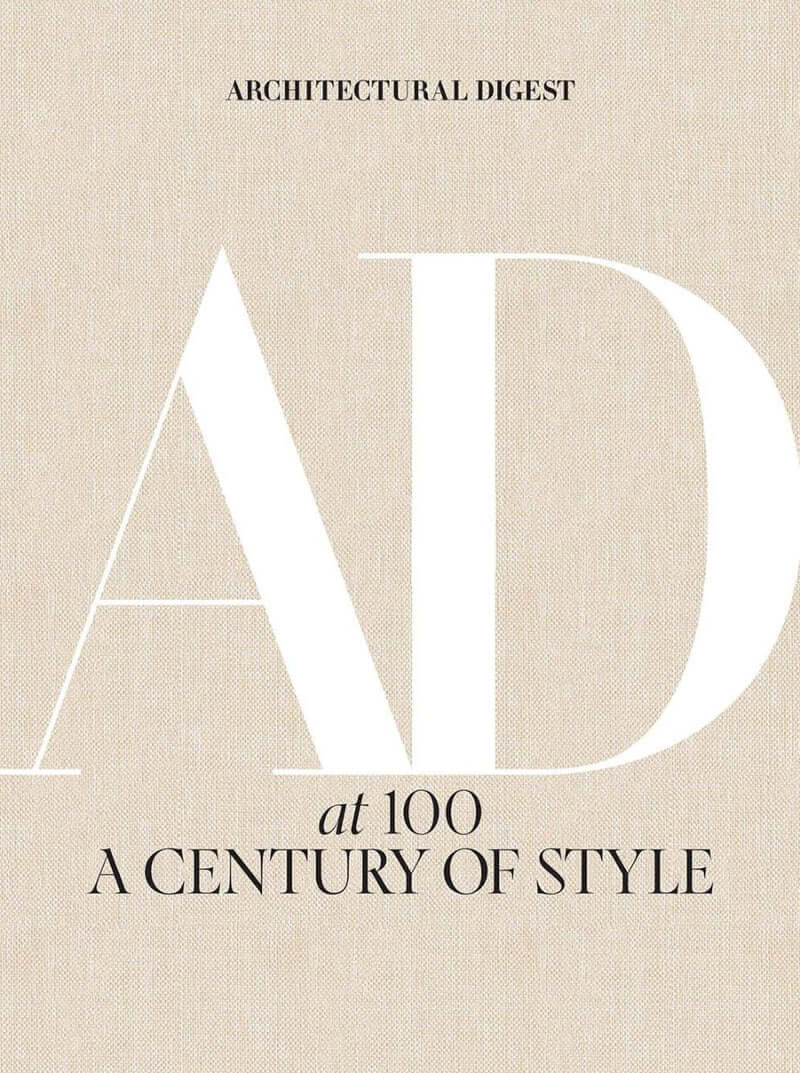
2. Architectural Digest at 100: A Century of Style
| Editor | Amy Astley (Foreword by Anna Wintour) |
| Publisher | Abrams |
| Pages | 464 |
| Dimensions | 13.3 x 2.1 x 10.4 inches |
| Weight | 6.2 lbs |
| Best For | Design history & celebrity homes |
This is the architecture book I recommend to people who think they're not interested in architecture. The celebrity hook gets them in; the design education happens naturally.
Why it works for everyone: 464 pages spanning 100 years of how Americans have lived — from Barack and Michelle Obama's private spaces (pages 389-402) to David Bowie's art-filled residence (pages 312-324), from Truman Capote's UN Plaza apartment (pages 156-167) to Diana Vreeland's legendary "Garden in Hell" (pages 178-189). The photographer roster is staggering: Bill Cunningham, Horst P. Horst, François Halard, Julius Shulman. The architect and designer range is equally impressive: Frank Lloyd Wright, Frank Gehry, India Mahdavi, Peter Marino, Oscar Niemeyer, Axel Vervoordt.
The honest downside: At 6+ pounds and 464 pages, this is a commitment. The celebrity focus can feel more People magazine than Architecture Review. Some eras get compressed treatment; mid-century modernism deserves more than it receives. And at $125, you're paying for the AD brand premium.
The bottom line: The most accessible architecture book for general audiences. Essential for understanding how American design taste evolved — and for the celebrity voyeurism, honestly.
3. be-spōk: A Philosophy of Beauty
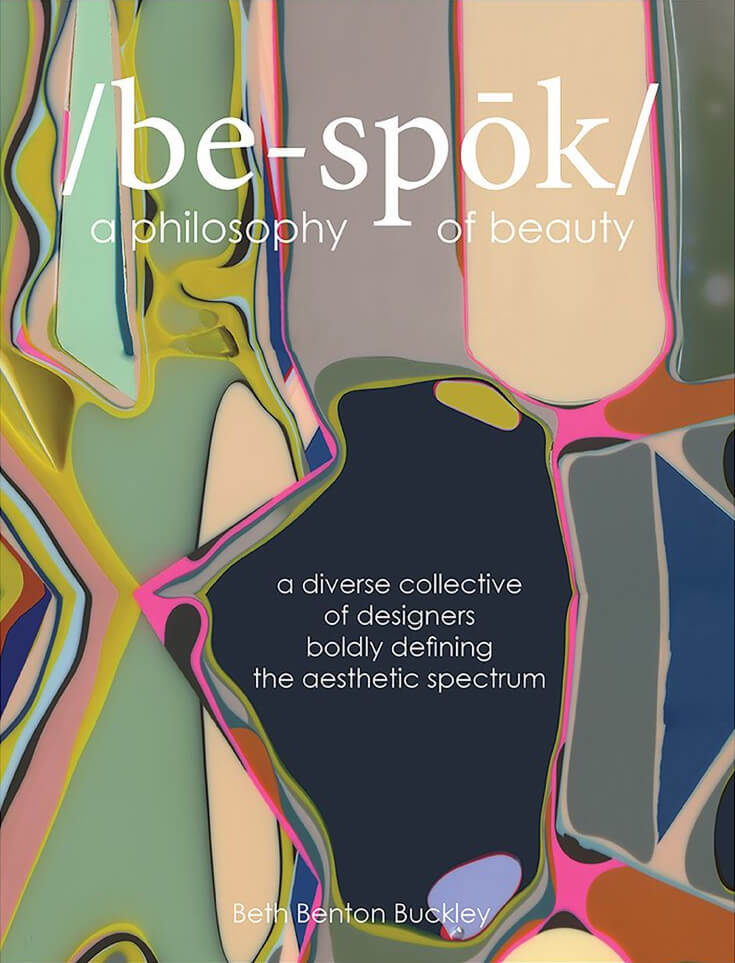
| Author | Beth Benton Buckley |
| Publisher | benton buckley books |
| Pages | 388 |
| Dimensions | 12.5 x 1.8 x 9.25 inches |
| Weight | 6.1 lbs |
| Best For | Luxury interior design & designer profiles |
I discovered this through an interior designer friend who called it "the book that actually shows how we think." She was right — this treats design as philosophy rather than decoration.
What sets it apart: 30 world-class interior designers each get 12 dedicated pages — essentially mini-monographs within one volume. Nicole Fuller's maximalist approach (pages 45-56), Michael Habachy's sculptural sensibility (pages 89-100), Crystal Sinclair's color mastery (pages 178-189). Beth Benton Buckley's introduction frames the entire book: "Beauty was our necessity." The editorial explains each designer's approach to color, scale, and spatial relationships — not just showing pretty rooms but explaining WHY they work.
The honest downside: The boutique publisher means less distribution and name recognition than Rizzoli or Taschen. The philosophical approach can feel abstract if you want practical takeaways. At 6.1 pounds and $85, this is premium pricing for a publisher you may not know. And the 12-page-per-designer format means you get breadth over depth for any individual designer.
The bottom line: Essential for understanding contemporary interior design as a discipline rather than decoration. The designer profiles provide insight into creative processes you won't find in typical shelter magazines.
4. The Future of Architecture: Designing Tomorrow's World
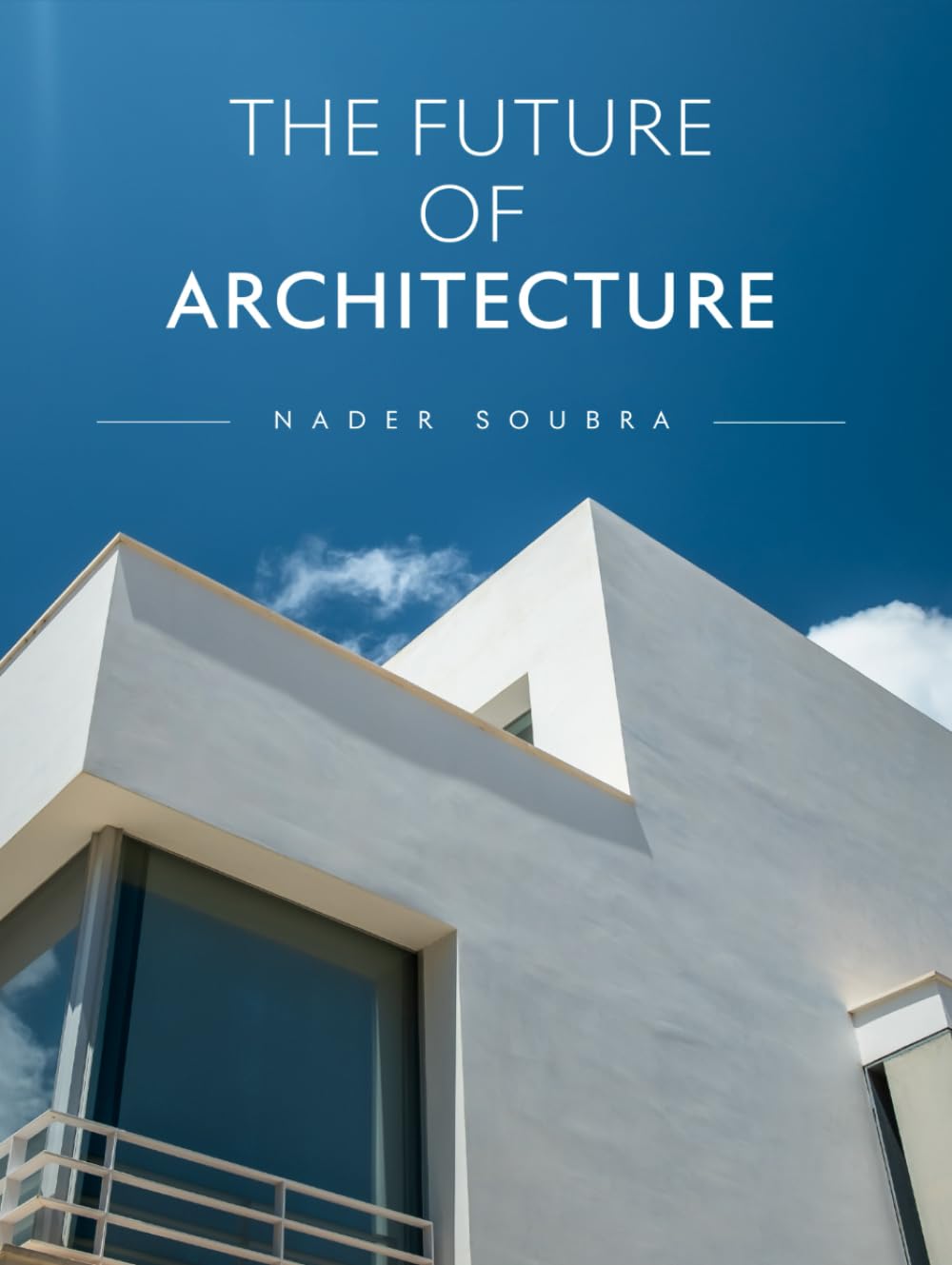
| Author | Nader Soubra |
| Publisher | NAD Publishing |
| Pages | 243 |
| Dimensions | 11.0 x 0.9 x 8.25 inches |
| Weight | 2.8 lbs |
| Best For | AI, sustainability & emerging tech |
Most architecture books look backward; this one looks forward. I bought it skeptically but found myself genuinely reconsidering what buildings might become.
Why it's different: Lebanese architect Nader Soubra explores AI-driven design (pages 34-67), parametric architecture (pages 89-112), and environmental sustainability (pages 145-178) with case studies from Foster + Partners, MIR, OMEGARENDER, and Render Atelier. The visualizations show what future buildings might actually look like — not sci-fi fantasy but grounded extrapolation from current technology. Chapters on adaptive reuse (pages 178-198), modular construction (pages 199-220), and cultural identity (pages 221-235) ground theory in practice.
The honest downside: At 243 pages, this is lighter than most architecture coffee table books. The NAD Publishing imprint lacks the prestige of Taschen or Phaidon. Some visualizations feel more like renders than photography — which makes sense given the subject but may disappoint traditionalists. And the forward-looking focus means less documentation of buildings you can actually visit.
The bottom line: Essential for anyone interested in where architecture is heading. Already approved by ArchDaily and submitted to Architecture Book of the Year Awards — this is serious content despite the smaller publisher.
5. New York School of Interior Design: Home
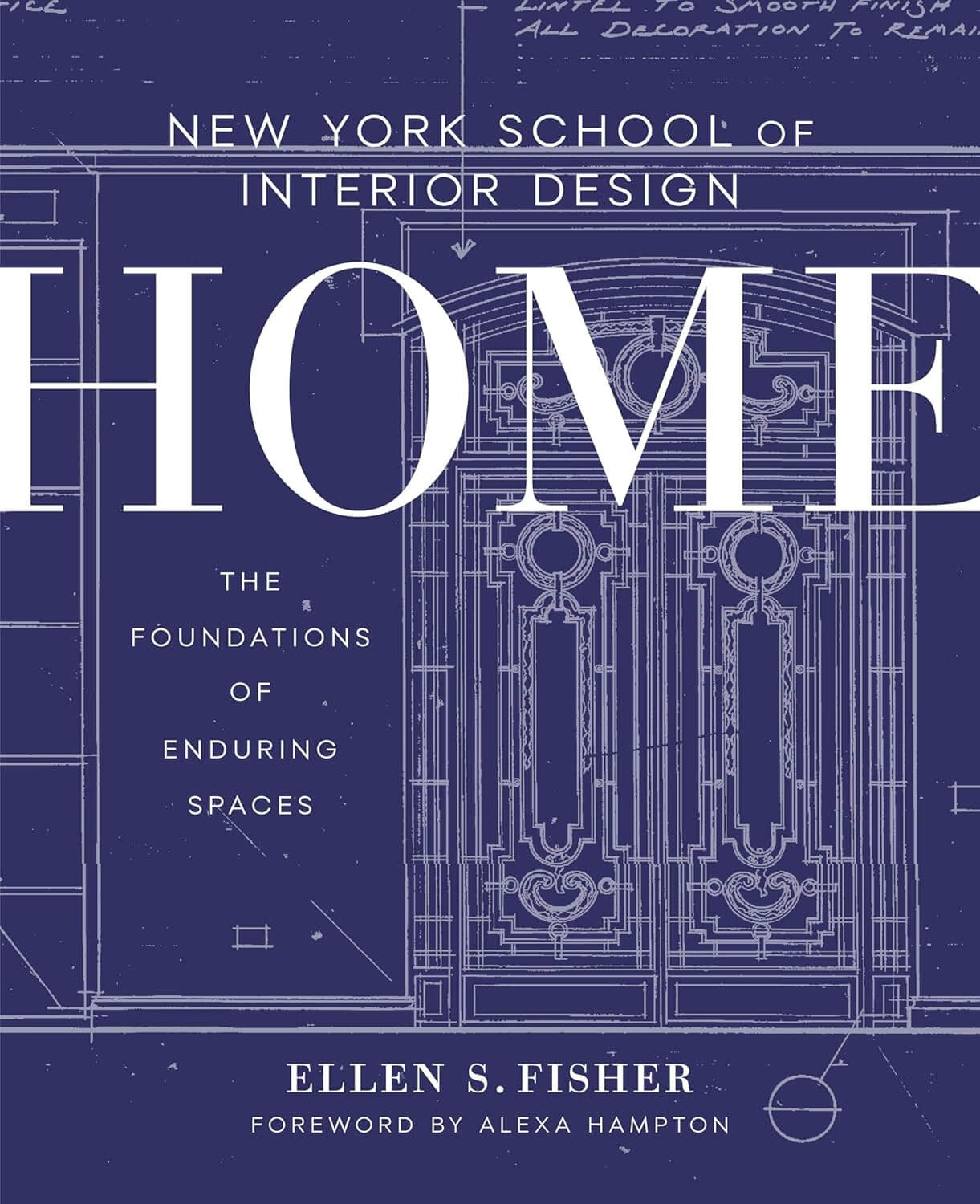
| Authors | Ellen S. Fisher & Jen Renzi (Foreword by Alexa Hampton) |
| Publisher | Clarkson Potter |
| Pages | 416 |
| Dimensions | 9.0 x 1.5 x 11.0 inches |
| Weight | 4.6 lbs |
| Best For | Design education & practical reference |
This isn't a coffee table book in the traditional sense — it's an actual design education disguised as one. I reference it constantly during renovations.
What makes it invaluable: Built on NYSID's Home Study Course (the foundation of America's premier interior design college), this 416-page volume covers color theory (pages 45-89), space-specific planning (pages 112-178), architectural elements (pages 198-256), contractor relationships (pages 289-312), and the complete design process (pages 334-398). Ellen Fisher, VP of Academic Affairs and Dean of NYSID, combines rigorous academics with hundreds of professionally photographed interiors, architectural drawings, and floor plans.
The honest downside: The educational approach means denser text than typical coffee table books — this requires actual reading, not just browsing. Some content feels more textbook than inspiration. The practical focus means less architectural theory or historical context. And at $65, you're paying for educational content you could theoretically get from design school (though this is far cheaper).
The bottom line: The most practical architecture/design book I own. Essential if you're renovating, decorating, or want to understand why certain spaces work while others don't. Architectural Digest called it "an essential text for all students of design."
6. World Architecture: The Masterworks
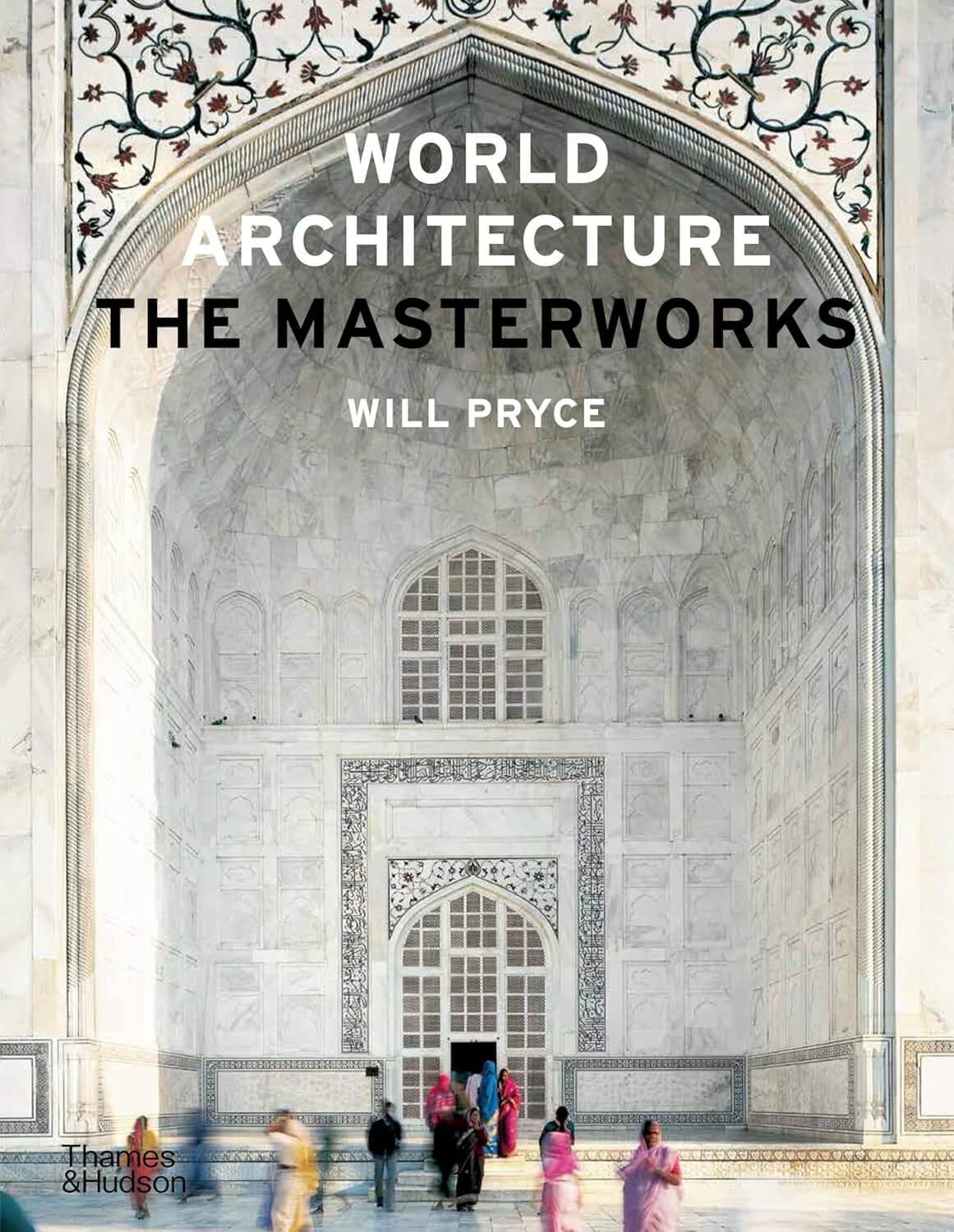
| Author | Will Pryce |
| Publisher | Thames & Hudson |
| Pages | 352 |
| Dimensions | 13.0 x 1.4 x 10.5 inches |
| Weight | 5.4 lbs |
| Best For | Global architecture survey |
Will Pryce trained as an architect at Cambridge before becoming a photographer — and you feel both disciplines on every page. This is the global architecture survey I recommend most.
What justifies the praise: Pryce personally photographed 105 buildings across 24 countries over years of travel. Unlike books licensing stock photography, every image was shot specifically for this project with an architect's understanding. The range is extraordinary: Hagia Sophia (pages 34-45), Gothic cathedrals (pages 67-112), the Taj Mahal (pages 145-156), Palladio's Villa Rotonda (pages 178-189), Fallingwater (pages 267-278), and Gehry's Bilbao Guggenheim (pages 312-324). Each building receives thoughtful commentary on historical context and construction techniques.
The honest downside: The two-thousand-year chronological scope means individual buildings get limited pages — masterworks deserve more than they receive. The split at AD 1500 feels arbitrary. Some regions (Asia, Africa, South America) get compressed treatment compared to European and American buildings. At 352 pages, it's comprehensive but not exhaustive.
The bottom line: The best single-volume global architecture survey available. The Wall Street Journal praised its "exquisite full-page photographs" — and they're right. Essential foundation for any architecture library.
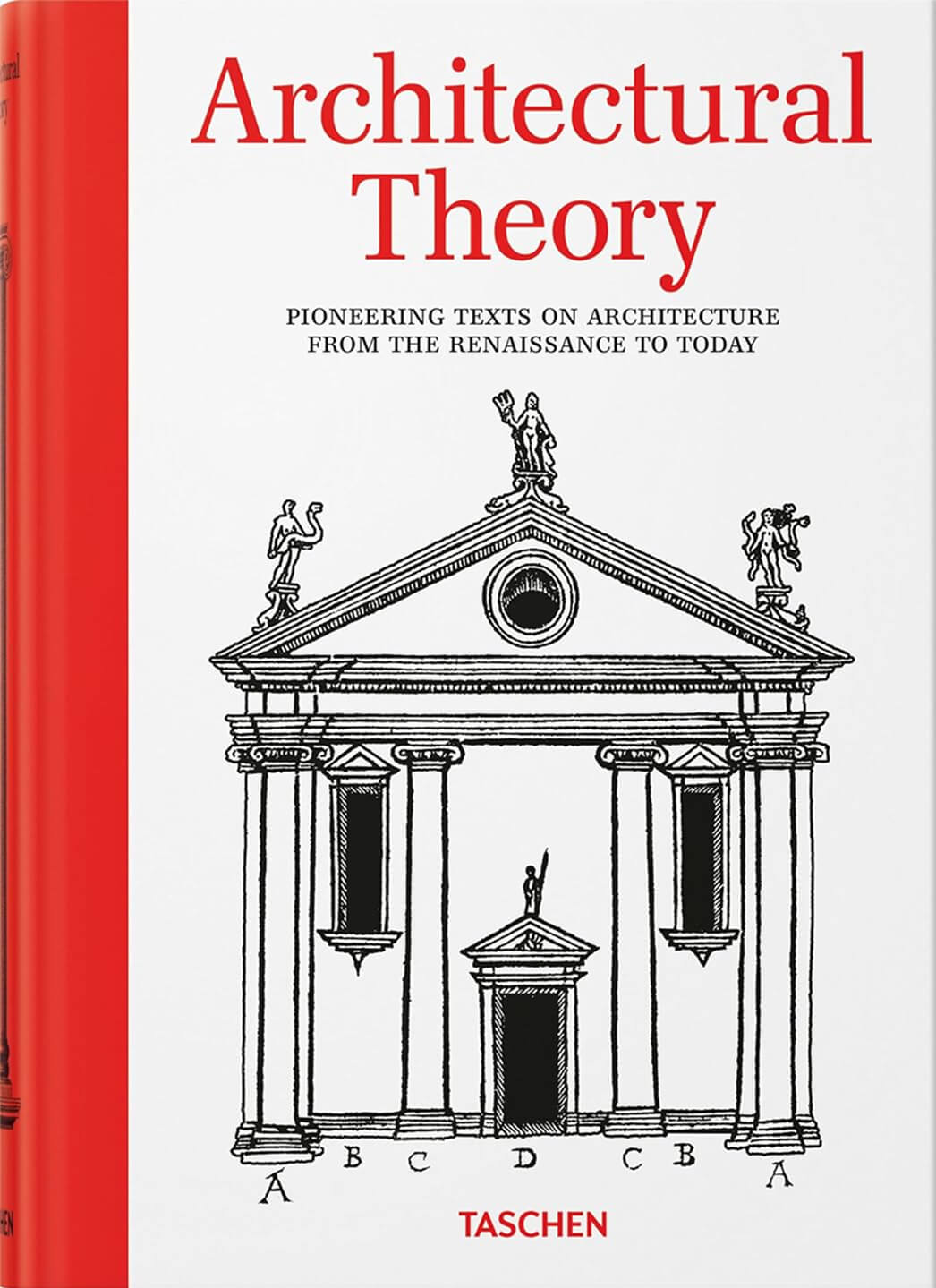
7. Architectural Theory: From the Renaissance to the Present
| Editors | Bernd Evers & Christof Thoenes |
| Publisher | Taschen |
| Pages | 848 |
| Dimensions | 9.8 x 2.4 x 7.1 inches |
| Weight | 4.2 lbs |
| Best For | Theory & historical texts |
I bought this expecting dry academia and found Taschen had made architectural theory genuinely accessible. At 848 pages for $40, the value is extraordinary.
Why it transcends expectations: Original writings from Alberti (pages 12-45), Palladio (pages 89-134), Vitruvius (pages 145-178), Ruskin (pages 234-267), Wright (pages 389-423), Venturi (pages 534-567), and Rem Koolhaas (pages 678-712) — the texts architecture students actually study, presented accessibly. Over 200 illustrations pair with each treatise: architectural drawings, photographs, diagrams, historical plans. The organization by country and era makes navigation intuitive.
The honest downside: Despite Taschen's design, this is still theory — dense reading that requires commitment. The compact format (7.1" wide) means smaller reproductions than large-format books. Some contemporary theorists feel rushed compared to historical depth. And 848 pages can be intimidating for casual readers.
The bottom line: Essential for understanding WHY great buildings exist, not just what they look like. The cheapest way to access texts that architecture students pay thousands to study. At $40 for 848 pages, the value-per-page is unmatched.
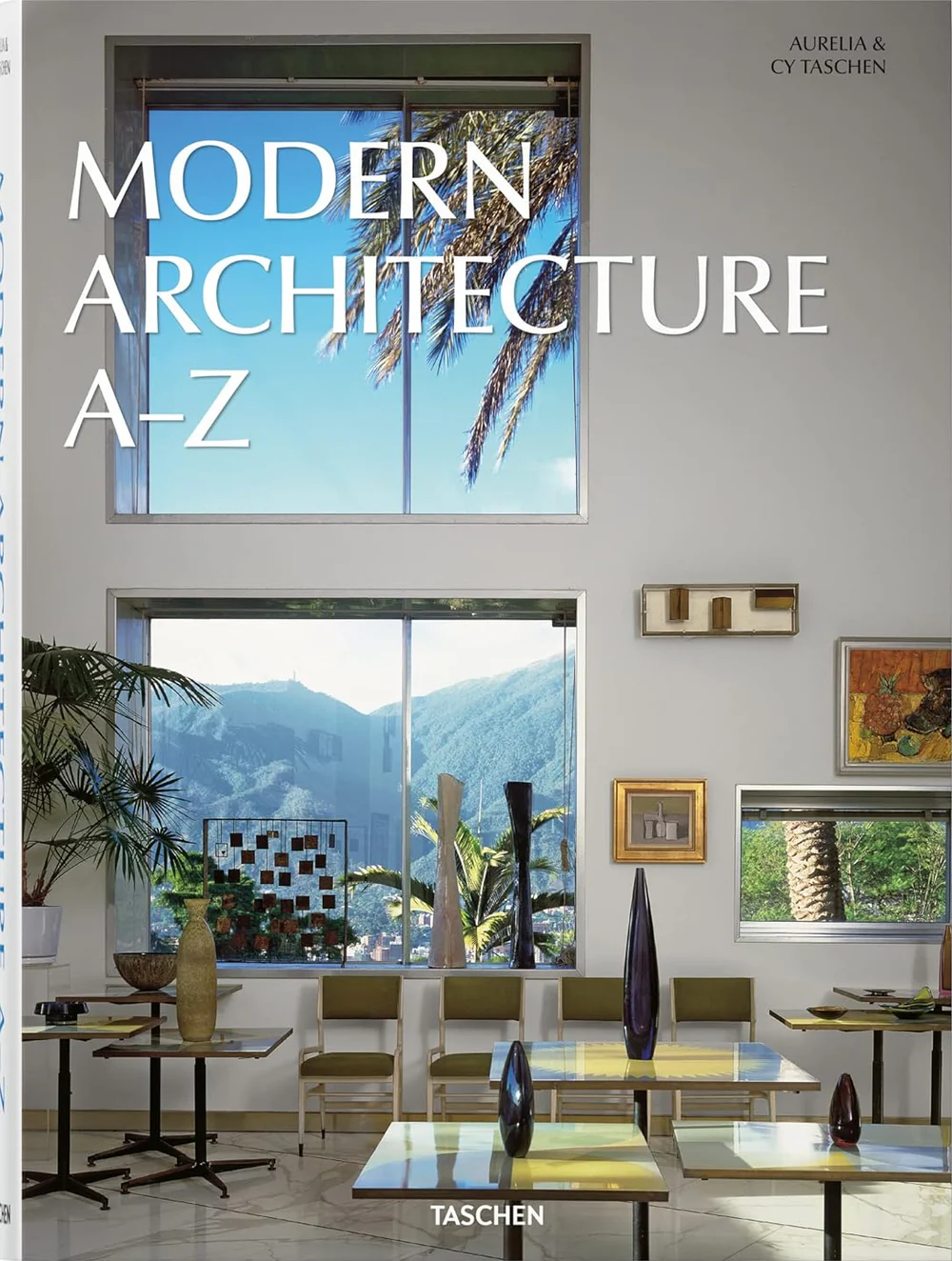
8. Modern Architecture A-Z
| Publisher | Taschen |
| Pages | 464 |
| Dimensions | 8.3 x 1.6 x 5.8 inches |
| Weight | 2.1 lbs |
| Best For | Quick reference & education |
I keep this next to my couch for when architecture comes up in documentaries or conversations. The A-Z format makes it genuinely useful rather than decorative.
What the format delivers: Nearly 300 architects from Gaudí to Zaha Hadid, each with portrait, biography, and key works photography. 1920s Manhattan skyscrapers (pages 234-256), Le Corbusier's Villa Savoye (pages 312-324), Mies's Barcelona Pavilion (pages 356-367), Oscar Niemeyer's São Paulo work (pages 389-401), and contemporary figures like Gehry, Koolhaas, and Foster. Over 1,000 color illustrations across 464 pages.
The honest downside: The compact format (5.8" wide in paperback) means this works better as reference than display. Individual architects get limited coverage — major figures deserve dedicated monographs. The alphabetical organization means jumping around rather than narrative flow. Some entries feel surface-level for serious students.
The bottom line: The best quick-reference architecture book available. Essential for building architectural vocabulary and identifying styles. The affordable paperback makes this accessible to everyone — upgrade to hardcover for display purposes.
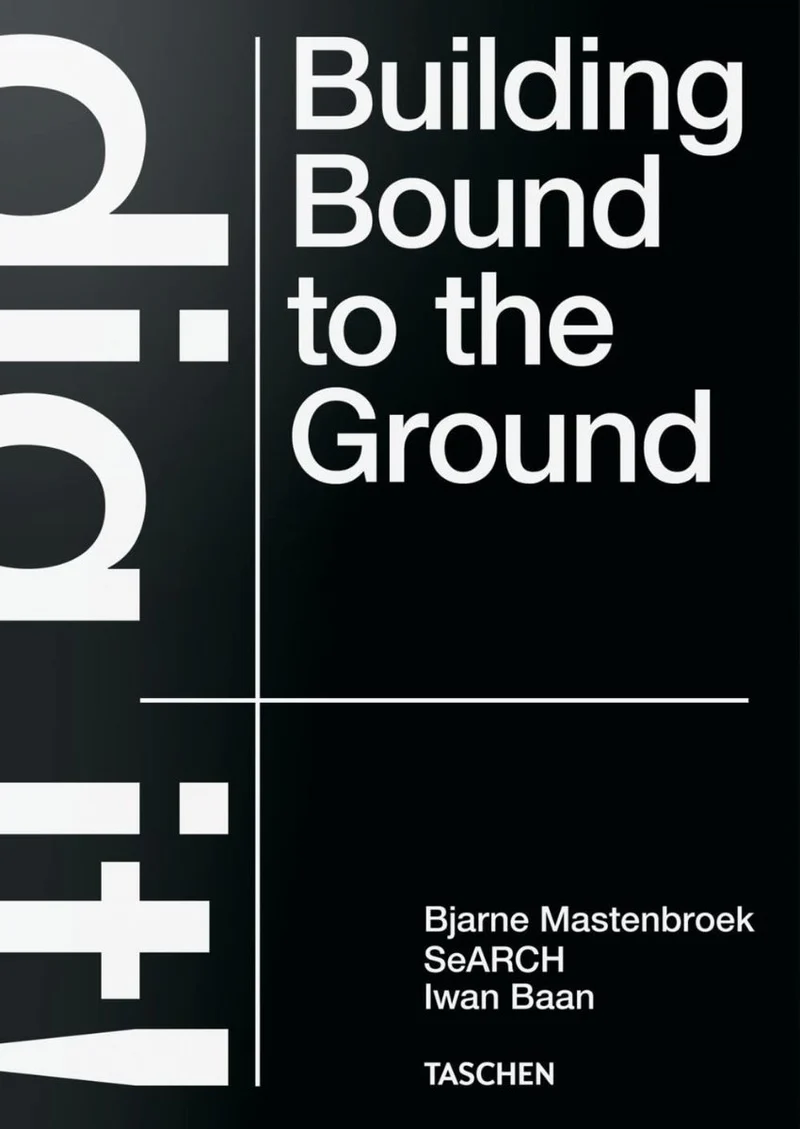
9. Dig It! Building Bound to the Ground
| Author | Bjarne Mastenbroek / SeARCH |
| Publisher | Taschen |
| Pages | 1,400 |
| Dimensions | 9.7 x 4.2 x 12.2 inches |
| Weight | 15.4 lbs |
| Best For | Earth-integrated architecture & sustainability |
At 1,400 pages and 15+ pounds, this isn't a coffee table book — it's practically furniture. I display it on a dedicated stand because it's too heavy for casual stacking.
What justifies the scale: Bjarne Mastenbroek and SeARCH researched how architecture integrates with earth rather than sitting on it. Six strategies organize the content: Bury (pages 45-234), Embed (pages 235-456), Absorb (pages 457-678), Spiral (pages 679-890), Carve (pages 891-1112), and Mimic (pages 1113-1334). Examples span African rock churches, Chinese cave villages, Parisian overgrown housing, Capri cliff dwellings, and contemporary underground structures. Photography by Iwan Baan (architecture's most acclaimed photographer) throughout.
The honest downside: 15+ pounds is genuinely unwieldy — you need furniture that can support it. At $200 (often discounted to $125), this is a serious investment. The conceptual organization can feel academic. And if earth-integrated architecture doesn't specifically interest you, the scale is overkill.
The bottom line: Essential for anyone interested in sustainable architecture or building with nature rather than against it. The 2,000+ illustrations make it a centerpiece conversation starter — if your furniture can handle it.
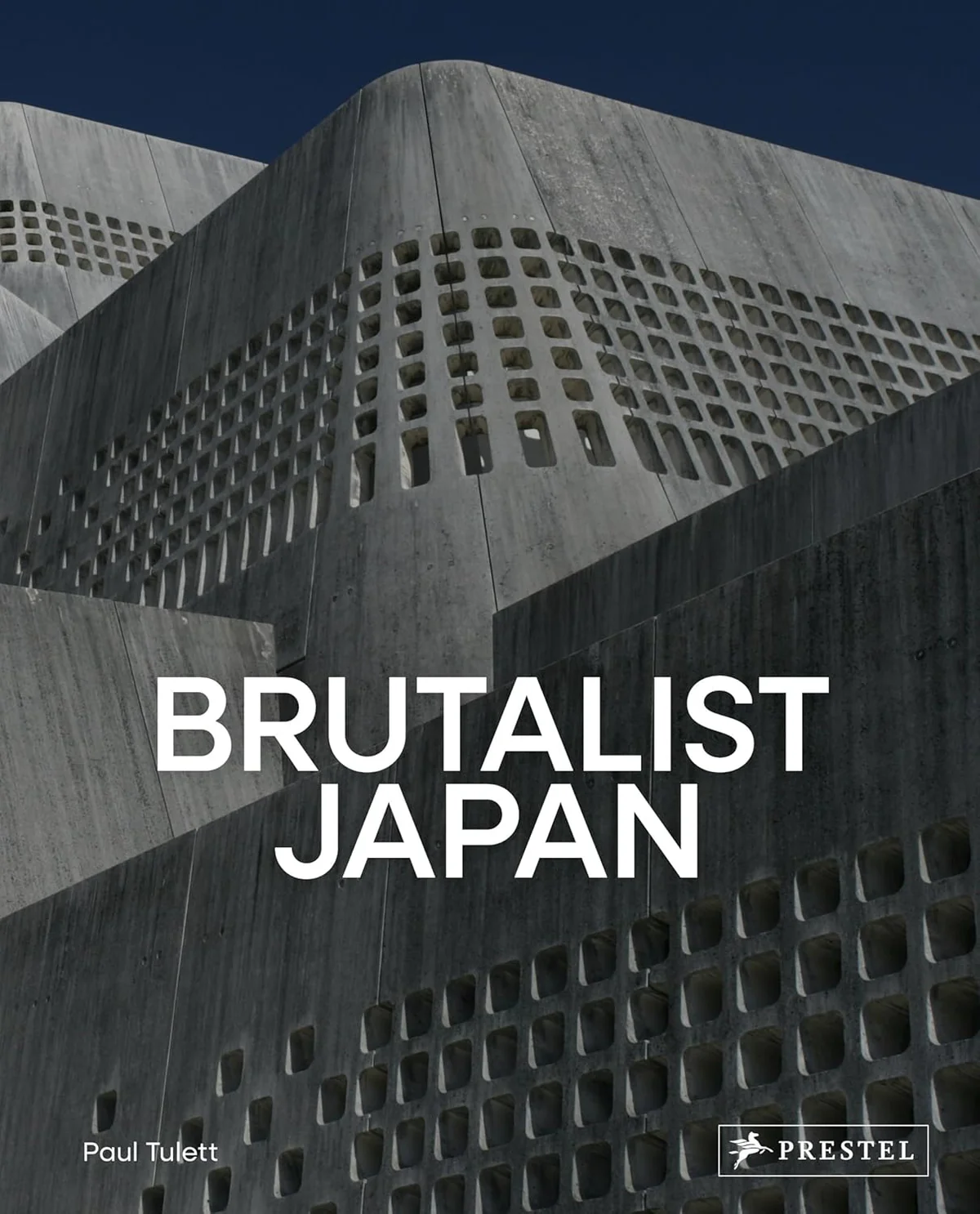
10. Brutalist Japan
| Author | Paul Tulett |
| Publisher | Prestel |
| Pages | 224 |
| Dimensions | 9.4 x 1.0 x 11.0 inches |
| Weight | 3.2 lbs |
| Best For | Japanese architecture & Brutalism |
This book completely changed how I see concrete. If you think Brutalism means cold Soviet blocks, Paul Tulett's photography will convert you.
What makes Japanese Brutalism different: Over 200 buildings photographed by Tulett, revealing how Kenzo Tange and Tadao Ando transformed raw concrete into poetry. You'll see Tange's Yoyogi National Gymnasium from the 1964 Olympics (pages 34-45), Ando's Church of Light (pages 89-98), Kurokawa's sadly-demolished Nakagin Capsule Tower (pages 145-156), and dozens of lesser-known buildings. Tulett captures light and shadow on concrete surfaces, revealing textures most people walk past.
The honest downside: At 224 pages, this is lighter than comprehensive surveys — you'll want more. The photographic approach means less historical or technical context than academic books. Some buildings are difficult or impossible to visit, making this more documentation than travel guide. And the niche focus (Japanese + Brutalist) limits appeal.
The bottom line: Essential for Brutalism enthusiasts and anyone interested in postwar Japanese architecture. The photography proves concrete can be beautiful rather than merely functional.
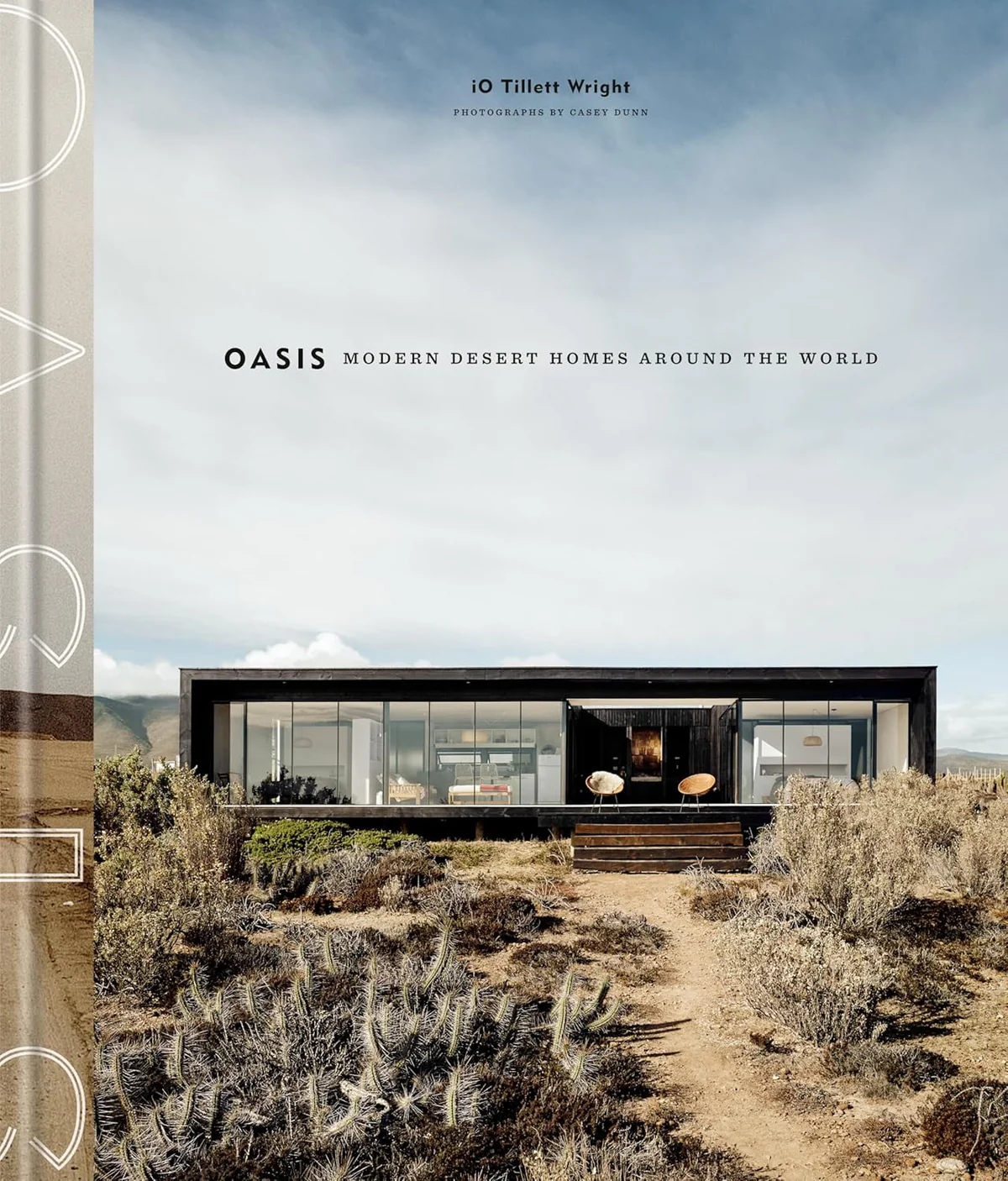
11. Oasis: Modern Desert Homes Around the World
| Photographer | Casey Dunn |
| Text | iO Tillett Wright |
| Publisher | Clarkson Potter |
| Pages | 256 |
| Dimensions | 10.0 x 1.1 x 11.5 inches |
| Weight | 3.8 lbs |
| Best For | Desert architecture & sustainable design |
I bought this while planning a Joshua Tree trip and found myself reconsidering what sustainable architecture actually looks like.
What the desert context reveals: Casey Dunn's photography captures extraordinary homes from minimalist retreats to renovated Airstreams to rammed earth structures. Georgia O'Keeffe's legendary Abiquiu residence (pages 78-95) anchors the collection. You see how architects use thick adobe walls for thermal mass (pages 112-134), strategic window placement to control light and heat (pages 145-167), and native landscaping to reduce water consumption (pages 189-212). iO Tillett Wright's text explores how desert living emphasizes simplicity and harmony with nature.
The honest downside: At 256 pages, the book covers breadth over depth — individual homes deserve more pages. The focus on aesthetic rather than technical means less construction detail than architects might want. Some homes feel more aspirational than achievable for normal budgets. And the $50 price is standard but not exceptional value.
The bottom line: Essential for anyone dreaming of desert living or fascinated by how architecture adapts to harsh environments. The photography captures not just buildings but landscape context beautifully.
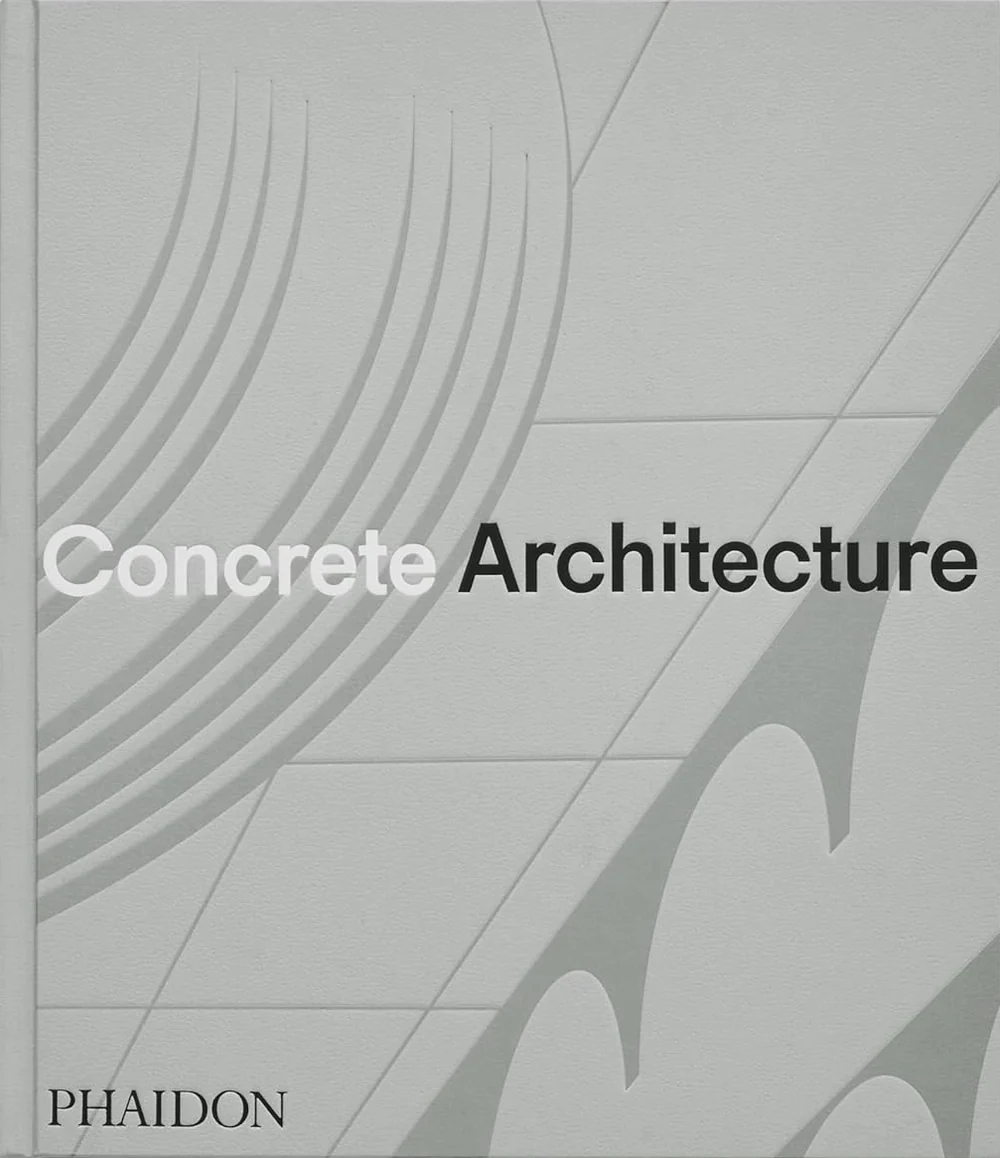
12. Concrete Architecture
| Editor | Barnabas Calder |
| Publisher | Phaidon |
| Pages | 464 |
| Dimensions | 11.3 x 1.6 x 9.3 inches |
| Weight | 5.1 lbs |
| Best For | Material focus & Brutalism |
After Brutalist Japan made me appreciate concrete, this Phaidon volume showed me the material's full 2,000-year history. It's the definitive concrete reference.
What the material focus delivers: Over 300 buildings from ancient Rome to contemporary masterpieces. Le Corbusier's Villa Savoye (pages 145-156), Tadao Ando's minimalist temples (pages 234-256), Zaha Hadid's fluid organic forms (pages 389-412), and rising contemporary architects. The chronological organization shows how concrete evolved from utilitarian material to expressive sculptural medium — Felix Candela's hyperbolic paraboloid shells (pages 267-289), Louis Kahn's Salk Institute (pages 312-334), the Barbican Centre (pages 356-378).
The honest downside: The material-specific focus limits appeal — if concrete doesn't interest you, 464 pages of it won't convert you. Some buildings appear in multiple concrete/Brutalist books, creating overlap for collectors. The Phaidon format prioritizes images over text; you'll want additional reading for technical depth. At $80, this is premium Phaidon pricing.
The bottom line: The definitive reference on concrete's architectural versatility. Essential for Brutalism enthusiasts, architects, and anyone wanting to understand how one material shaped modern building.
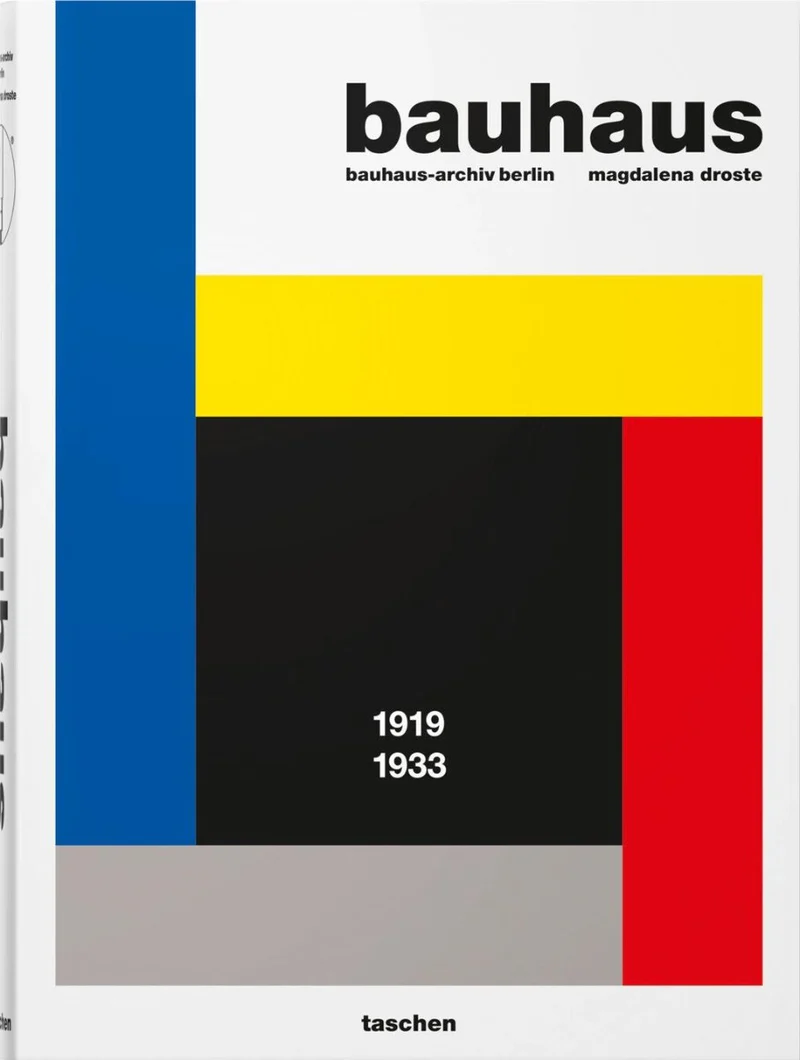
13. Bauhaus
| Publisher | Taschen / Bauhaus-Archiv |
| Pages | 464 |
| Dimensions | 9.8 x 1.6 x 7.1 inches |
| Weight | 3.4 lbs |
| Best For | Design history & modernism origins |
In just 14 years (1919-1933), Bauhaus revolutionized everything. This Taschen collaboration with the Bauhaus-Archiv is the definitive introduction.
Why 14 years changed everything: Over 550 illustrations including architectural plans for Walter Gropius's iconic Dessau building (pages 178-198), student workshop photographs (pages 234-267), furniture sketches (pages 289-312), and unrealized project models. Marianne Brandt's metal ashtray (page 145), Marcel Breuer's tubular steel chairs (pages 167-178), Wassily Kandinsky's color theory classes (pages 312-334), László Moholy-Nagy's experimental photography (pages 356-378). The book traces evolution through three directors (Gropius, Meyer, Mies) and three locations (Weimar, Dessau, Berlin).
The honest downside: The compact Taschen format (7.1" wide) means smaller reproductions than large-format books. The comprehensive scope means individual topics get compressed — the furniture design section alone deserves a dedicated book. Some academic context requires prior knowledge. And Bauhaus's influence is so pervasive that parts may feel familiar even if you haven't studied it directly.
The bottom line: Essential for understanding modern design's origins. Bauhaus principles still influence everything from iPhone design to contemporary architecture — this explains why.
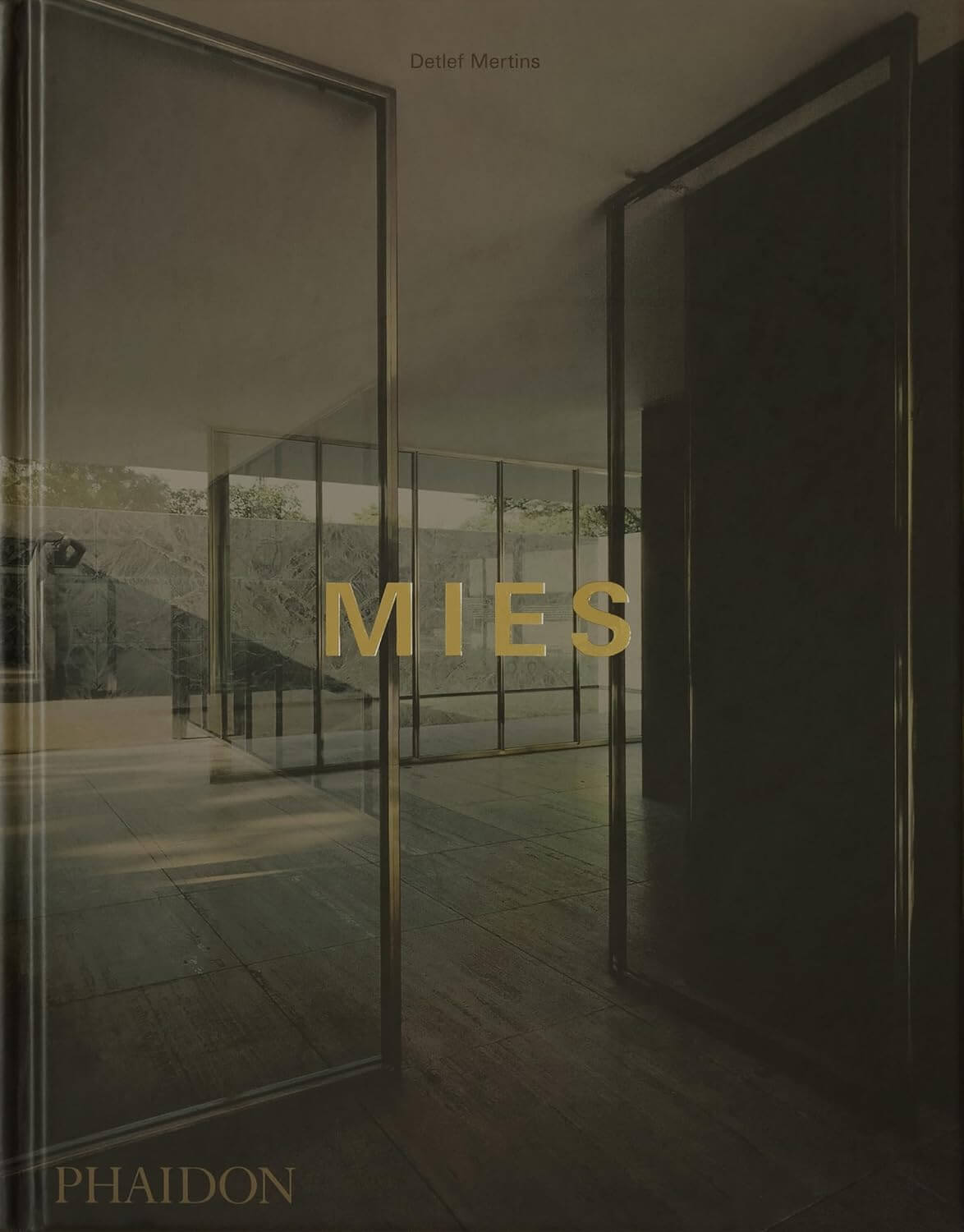
14. Mies
| Author | Detlef Mertins |
| Publisher | Phaidon |
| Pages | 544 |
| Dimensions | 12.0 x 2.1 x 9.4 inches |
| Weight | 6.5 lbs |
| Best For | Serious architectural study |
This is the most intellectually serious architecture book I own. Detlef Mertins — who taught at Penn, Toronto, Columbia, Harvard, and Princeton — spent years creating the definitive Mies monograph.
What makes it definitive: 544 pages with over 700 photographs, drawings, plans, and diagrams exploring not just what Mies built but WHY. The Barcelona Pavilion (pages 145-178), Tugendhat House (pages 198-234), Crown Hall at IIT (pages 312-356), Seagram Building (pages 389-423), New National Gallery Berlin (pages 456-498). Mertins studied Mies's personal library of 800 volumes — philosophy, religious studies, biology — showing how thinkers like Romano Guardini influenced his approach to structure and abstraction.
The honest downside: At $150 and 6.5 pounds, this is a serious investment. The intellectual depth requires commitment — this isn't casual browsing. Mertins's scholarly approach assumes familiarity with architectural theory. And the focus on ideas over images means less visual spectacle than photography-forward books.
The bottom line: The definitive monograph on modernism's most influential architect. Essential for anyone serious about understanding "less is more" as philosophy rather than slogan. The Telegraph praised its "unremitting focus on the ideas that shaped Mies's designs."
15. Tadao Ando: Sketches, Drawings & Architecture
| Author | Tadao Ando |
| Publisher | Taschen |
| Pages | 594 |
| Dimensions | 13.3 x 2.4 x 11.0 inches |
| Weight | 9.9 lbs |
| Year | November 2025 |
| Best For | Design process & creative methodology |
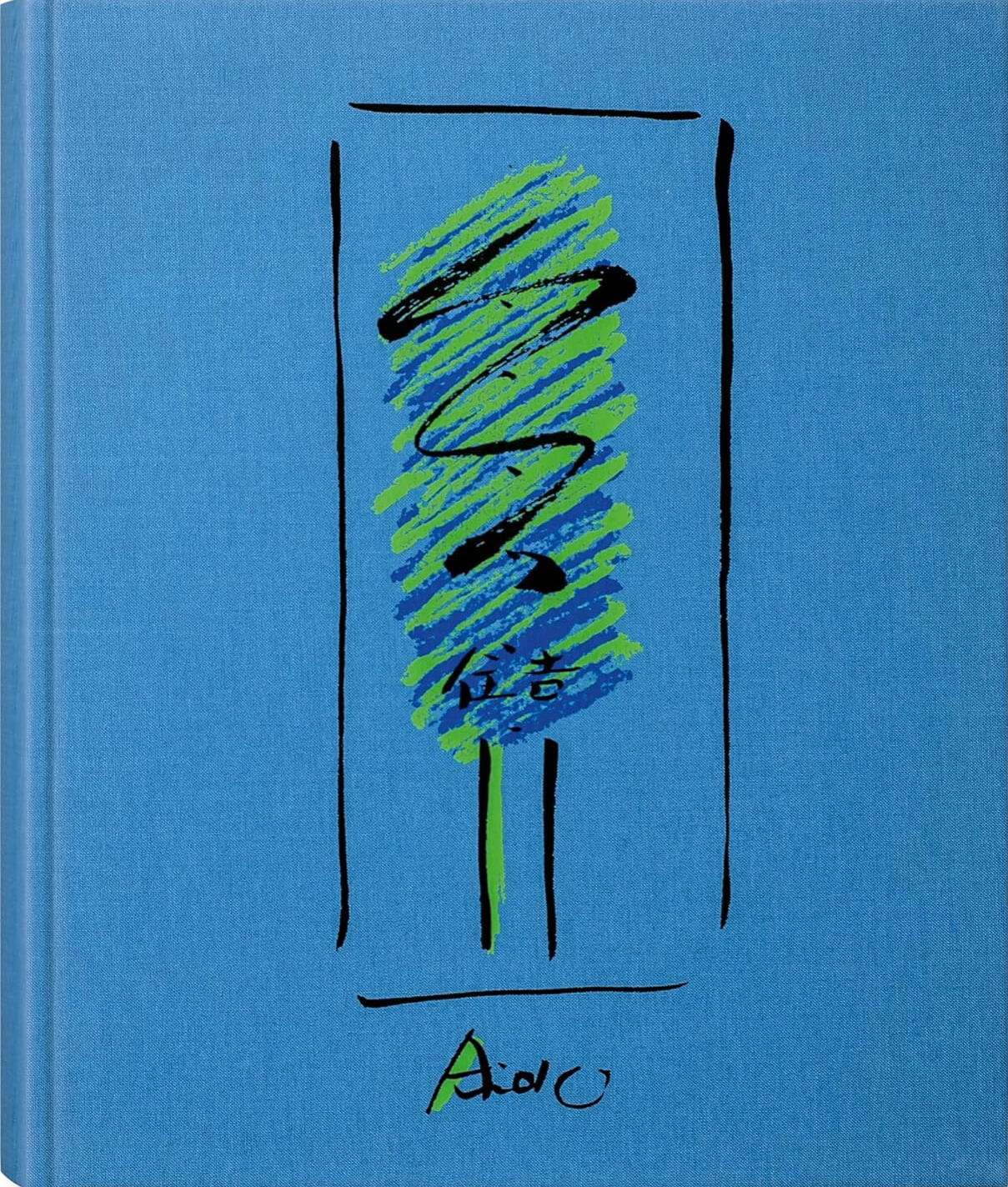
Unlike typical monographs filled with finished building photographs, this 594-page volume reveals Ando's actual creative process — and at nearly 10 pounds, it's substantial in every sense.
What makes it unique: Over 750 sketches, drawings, models, and plans created in close collaboration with Ando himself (foreword and commentary included). You follow ideas from quick pencil captures (pages 45-89) through dense shading studies (pages 112-167) to technical buildable plans (pages 234-312). Landmark projects traced from concept to completion: Row House in Sumiyoshi (pages 89-112), Rokko Housing (pages 178-198), Church of Light (pages 267-289), Chichu Art Museum (pages 389-423). Ando's own reflections describe formative travel memories — light in a French monastery, Indian stepwell geometry — that inform his work.
The honest downside: At $200 (retail) and 9.9 pounds, this is the most expensive and heaviest book on this list. The sketch-forward approach means less finished building photography than traditional monographs. Some drawings require architectural literacy to fully appreciate. And the November 2025 release means limited reviews at time of writing.
The bottom line: The most intimate look at a living master's creative process. Essential for understanding how one of architecture's greatest minds actually thinks. Ando on drawing: "The only lines I can truly entrust my heart to are the analogue ones that come directly from my own body."
16. Zaha Hadid: Complete Works 1979–Today
| Author | Philip Jodidio |
| Publisher | Taschen |
| Pages | 672 |
| Dimensions | 11.4 x 2.3 x 9.0 inches |
| Weight | 7.4 lbs |
| Best For | Contemporary architecture & complete retrospective |
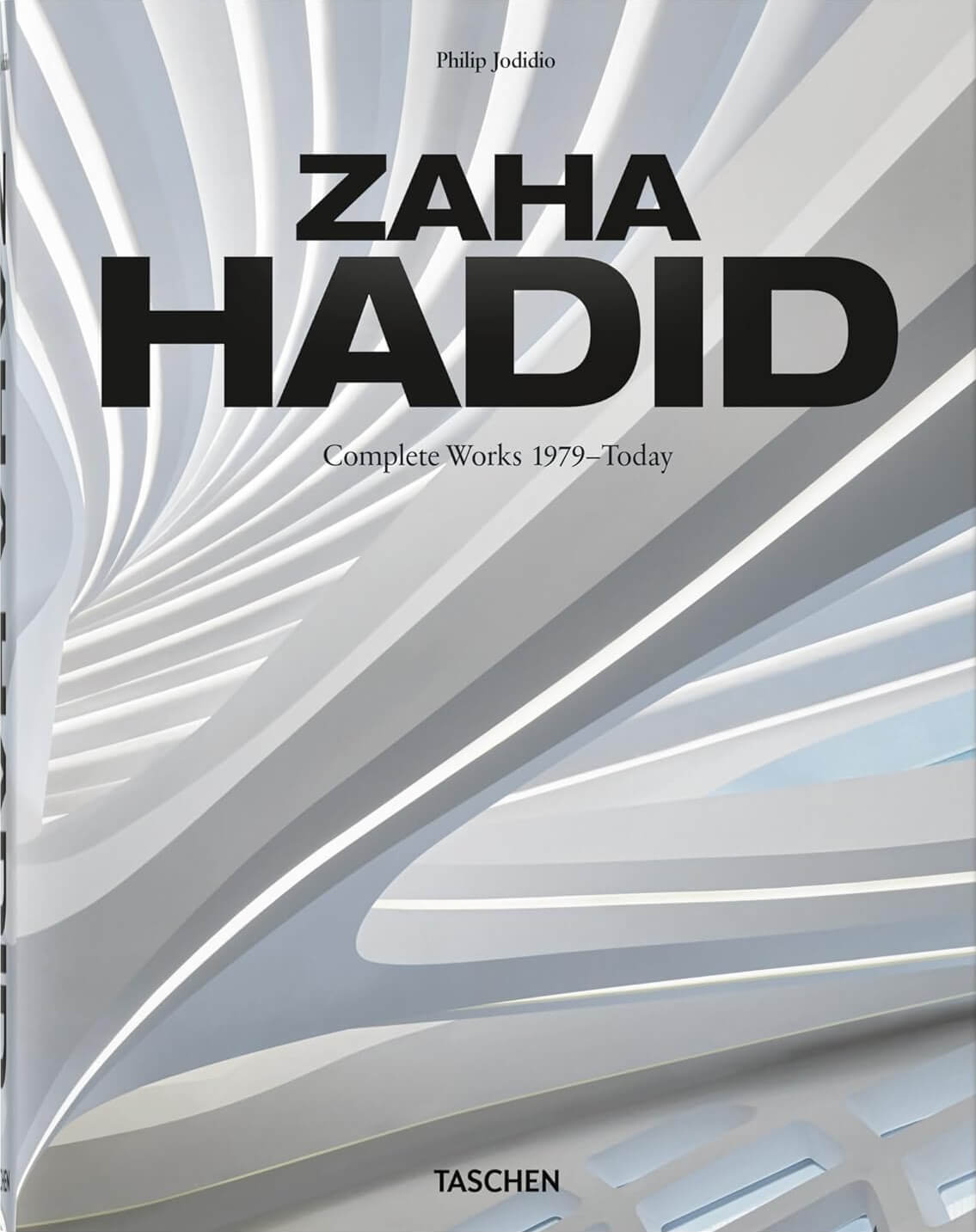
Zaha Hadid spent years winning prizes for buildings critics said were impossible to construct. Then she built them anyway, transforming cities with a new architectural language. This 672-page comprehensive monograph documents her complete body of work.
What the complete works deliver: From early sketches in 1979 (pages 12-45) through her final projects before her 2016 death. The Port House in Antwerp (pages 389-412), Al Janoub Stadium near Doha (pages 456-478), Beijing Daxing International Airport (pages 534-567). Philip Jodidio (author of 150+ architecture books) provides context and analysis. In-depth sketches and Hadid's own drawings reveal her process from concept to structure. The furniture and interior designs (pages 589-634) show her complete design universe.
The honest downside: At 7.4 pounds and 672 pages, this requires commitment. Some later projects feel rushed compared to landmark building coverage. The complete-works approach means repetitive content for those familiar with her major buildings. And at $100, you're paying Taschen premium for comprehensiveness.
The bottom line: The definitive Hadid monograph. Essential for understanding how one architect transformed what we thought buildings could be — and for anyone who believes architecture should challenge limitations.
Quick Comparison
| Book | Best For | Price | Pages | My Rating |
|---|---|---|---|---|
| Rosario Candela | Pre-war NYC | $85 | 304 | ★★★★½ |
| AD at 100 | Design history | $125 | 464 | ★★★★★ |
| be-spōk | Interior philosophy | $75 | 388 | ★★★★ |
| Future of Architecture | Emerging tech | $47 | 243 | ★★★★ |
| NYSID Home | Practical reference | $65 | 416 | ★★★★★ |
| World Architecture | Global survey | $50 | 352 | ★★★★★ |
| Architectural Theory | Historical texts | $40 | 848 | ★★★★½ |
| Modern Architecture A-Z | Quick reference | $100 | 464 | ★★★★ |
| Dig It! | Earth-integrated | $125 | 1,400 | ★★★★½ |
| Brutalist Japan | Japanese concrete | $50 | 224 | ★★★★½ |
| Oasis | Desert homes | $40 | 256 | ★★★★ |
| Concrete Architecture | Material focus | $80 | 464 | ★★★★½ |
| Bauhaus | Design origins | $80 | 464 | ★★★★★ |
| Mies | Modernism study | $150 | 544 | ★★★★★ |
| Tadao Ando | Creative process | $200 | 594 | ★★★★★ |
| Zaha Hadid | Contemporary | $100 | 672 | ★★★★½ |
How I'd Spend Different Budgets
Under $50: Architectural Theory ($40) for 848 pages of foundational texts — unmatched value-per-page. Or World Architecture: The Masterworks ($50) for comprehensive global survey. Or both at $90 for theory + practice foundation.
$50-100: World Architecture ($50) + Brutalist Japan ($50) = $100 for global breadth + focused depth. Or NYSID Home ($65) alone if you want practical design education over visual inspiration.
$100-200: Two paths here. Survey approach: AD at 100 ($125) + World Architecture ($50) = $175 for celebrity-accessible + scholarly comprehensive. Or focused approach: Bauhaus ($80) + Concrete Architecture ($80) = $160 for movement + material deep-dives.
$200-400: Build a serious foundation: World Architecture ($50) + Architectural Theory ($40) + Bauhaus ($80) + Mies ($150) = $320 covers global survey, historical texts, design movement, and master architect. Add Brutalist Japan ($50) at $370 for contemporary material focus.
$500+: The complete serious library: Mies ($150) + Tadao Ando ($200) + AD at 100 ($125) + Bauhaus ($80) + Dig It! ($125) = $680 for two master architect monographs, accessible history, design movement foundation, and sustainability focus. Add Zaha Hadid ($100) for contemporary completeness.
Frequently Asked Questions
Which architecture coffee table book should I start with?
For accessibility: AD at 100 ($125) — celebrity homes make it engaging while educating. For substance: World Architecture: The Masterworks ($50) — Will Pryce's photography and global scope provide the best foundation. For practical use: NYSID Home ($65) if you're renovating or decorating.
Are expensive architecture books worth the investment?
The Mies monograph ($150) and Tadao Ando ($200) offer scholarly depth unavailable elsewhere — essential for serious study. But Architectural Theory at $40 for 848 pages proves value isn't always correlated with price. Buy expensive books for specific depth; build breadth with affordable surveys.
What's the difference between architecture and interior design books?
Architecture books focus on building exteriors, structural innovation, and urban context. Interior design books emphasize rooms, furniture, and decoration. The best books (like Rosario Candela or be-spōk) bridge both. This list skews architectural but includes interior-focused titles where the quality justifies inclusion.
Which book is best for understanding specific movements?
Bauhaus ($80) for modernism's origins. Brutalist Japan ($50) or Concrete Architecture ($80) for Brutalism. Architectural Theory ($40) traces multiple movements through primary texts. Mies ($150) for International Style depth.
I want to understand sustainability in architecture — which books?
Dig It! ($125) documents earth-integrated architecture across history and geography. Oasis ($40) shows desert-specific sustainable strategies. The Future of Architecture ($47) covers emerging sustainable technologies. Together they span historical precedent, regional adaptation, and future direction.
Which architect monographs are worth owning?
Mies ($150) for modernism's most influential figure. Tadao Ando ($200) for creative process insight. Zaha Hadid ($100) for contemporary boundary-pushing. Each offers depth impossible in survey books. Buy monographs for architects whose work specifically interests you.
Last updated: January 2026. Prices fluctuate — I'll update when I notice major changes.