20 Best Fashion Coffee Table Books (2026)
After building a library of probably fifty titles over the past decade, these twenty fashion coffee table books have earned permanent shelf space — I break down photography quality, editorial depth, and who each book is actually for.
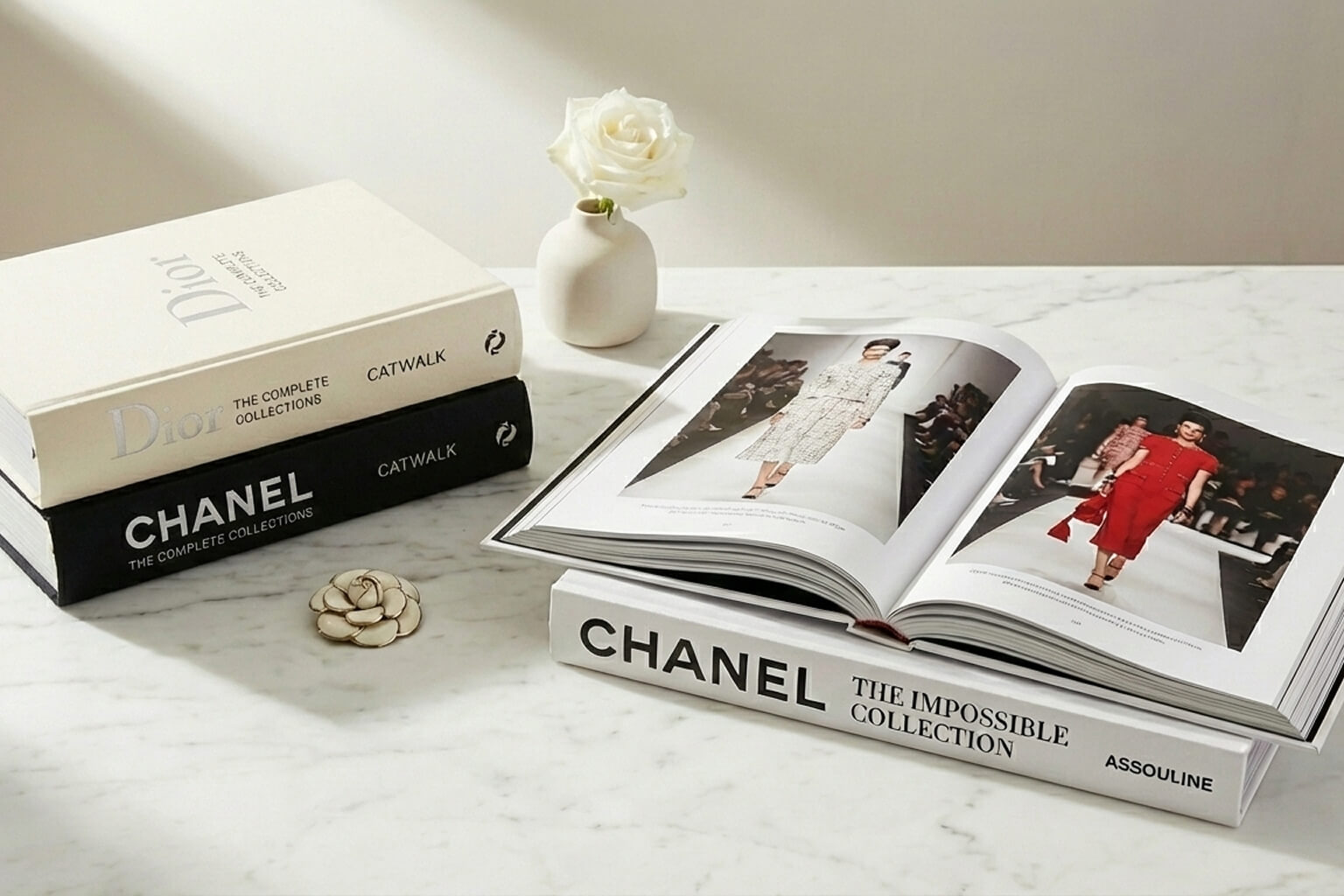
I've been collecting fashion books since my first Vogue subscription at sixteen. After building a library of probably fifty titles over the past decade, these twenty have earned permanent shelf space. I break down the photography quality, editorial depth, and who each book is actually for — from Catwalk completists to casual fashion enthusiasts.
Disclosure: This article contains affiliate links. If you purchase through these links, I earn a small commission at no extra cost to you. Every book recommended here has been personally reviewed — I only feature titles I'd display in my own home.
My Top 3 Picks at a Glance
Before diving into the full list, here's where I'd start depending on your situation:
- Best Overall: Chanel: The Complete Collections (Catwalk) — 632 pages of runway history, unbeatable value
- Best for Newcomers: Fashion Designers A–Z — encyclopedic coverage of 200+ designers, museum-quality scholarship
- Best Statement Piece: Tom Ford 002 — the coffee table book that launched a thousand Instagram flatlays
Now, let's get into each book.
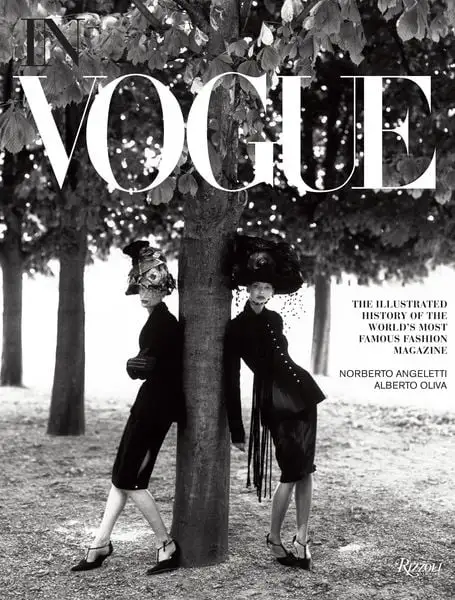
1. In Vogue: An Illustrated History of the World's Most Famous Fashion Magazine
| Author | Alberto Oliva & Norberto Angeletti |
| Publisher | Rizzoli |
| Pages | 408 |
| Dimensions | 10.3 x 1.6 x 14.2 inches |
| Weight | 4.9 lbs |
| Best For | Magazine history & photography evolution |
I bought this to understand how fashion photography evolved, and it delivered far more than I expected. This isn't just pretty pictures — it's 125+ years of cultural history told through cover art.
What makes it essential: The chronological organization lets you trace evolution from Belle Époque illustrations (pages 12-45) through Richard Avedon's minimalist elegance (pages 156-189), Irving Penn's studio mastery (pages 234-267), to Annie Leibovitz's narrative storytelling (pages 312-356). The editorial commentary reveals stories behind controversial shoots and which covers defined their decades. The rare contact sheets (pages 378-395) show what almost was.
The honest downside: At nearly 5 pounds, this isn't casual browsing material. American Vogue dominates — British, French, and Italian editions get compressed treatment. Some decades feel rushed; the 2000s-2010s coverage (pages 356-395) barely scratches the surface compared to mid-century depth. And the $75 price reflects Rizzoli premium.
The bottom line: The definitive chronicle of fashion's most influential publication. Essential for understanding how fashion imagery shaped — and was shaped by — culture.
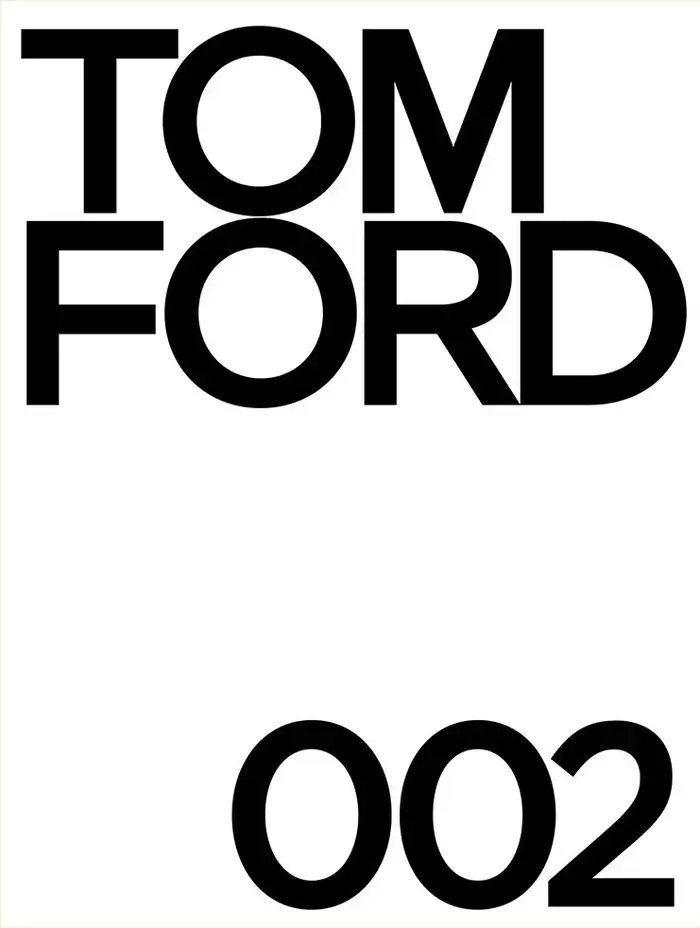
2. Tom Ford 002
| Author | Tom Ford & Bridget Foley |
| Publisher | Rizzoli |
| Pages | 444 |
| Dimensions | 11.4 x 2.0 x 14.3 inches |
| Weight | 9.2 lbs |
| Best For | Designer process & status symbol |
If you've seen a fashion coffee table book on Instagram, it was probably this one — or its predecessor. I own both, and while 001 is more historically significant, 002 offers something rarer: genuine creative vulnerability.
Why it earns the hype: The personal Polaroids from fittings (pages 67-89) and handwritten sketch notes (pages 134-156) reveal Ford's actual process, not the polished version. His candid reflections on each collection — from 70s Studio 54 glamour to refined American sportswear — read like intimate conversation. The inclusion of commercial work (fragrance campaigns, pages 267-298; eyewear, pages 312-334) shows his 360-degree approach to luxury branding.
The honest downside: At 9+ pounds and $135, this is a commitment. Some sections feel like brand marketing rather than documentary. If you already own 001, maybe 40% overlaps in approach and aesthetic. The black cover shows fingerprints and dust immediately — I wipe mine weekly.
The bottom line: The coffee table book that became a cultural phenomenon. Essential for the status-conscious, genuinely interesting for fashion enthusiasts. Just know you're partly paying for the name.
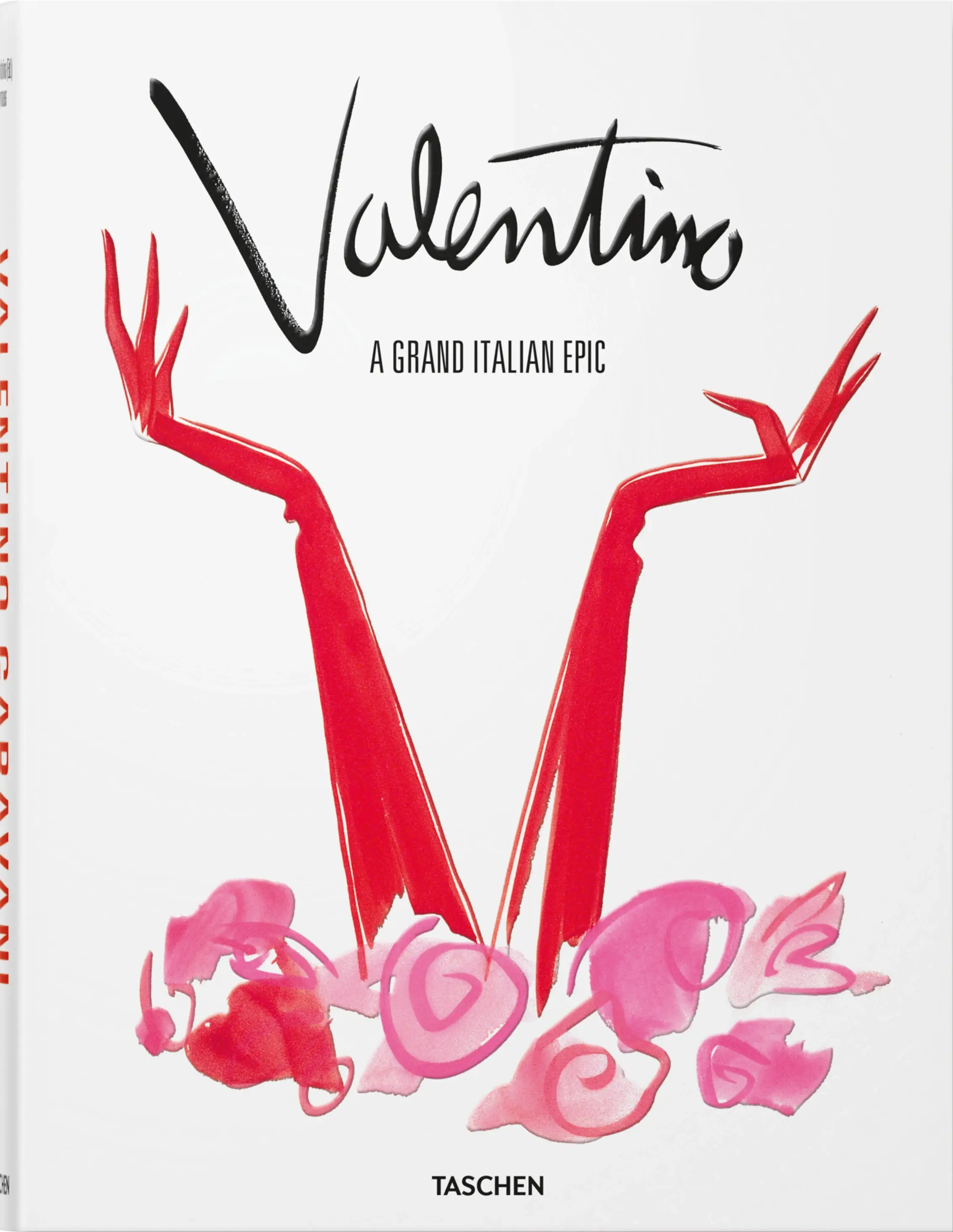
3. Valentino: A Grand Italian Epic
| Author | Valentino Garavani |
| Publisher | Assouline |
| Pages | 320 |
| Dimensions | 10.8 x 2.1 x 14.5 inches |
| Weight | 6.2 lbs |
| Best For | Couture craftsmanship & collectors |
The Assouline production alone makes this a collector's piece — heavyweight paper, gilt edges, slipcase presentation. But the content justifies the packaging: 45 years of couture excellence from one of fashion's true romantics.
What sets it apart: The close-up photography captures details invisible on runways: intricate embroidery techniques (pages 78-112), layered tulle construction for his signature romantic gowns (pages 145-178), and the precise tailoring of his evening coats (pages 234-256). Valentino Red (Pantone 18-1662) appears throughout, and you finally understand why that specific shade matters. The personal archive access — fitting photos with Jacqueline Kennedy, Elizabeth Taylor — adds historical weight.
The honest downside: At $100, this is premium pricing for a single-designer volume. The Assouline aesthetic prioritizes presentation over editorial depth; some sections feel more like brand celebration than critical analysis. The slipcase adds bulk that not every shelf accommodates.
The bottom line: A true collector's piece for couture devotees. The production quality and archive access justify the investment — if Valentino's romantic vision speaks to you.
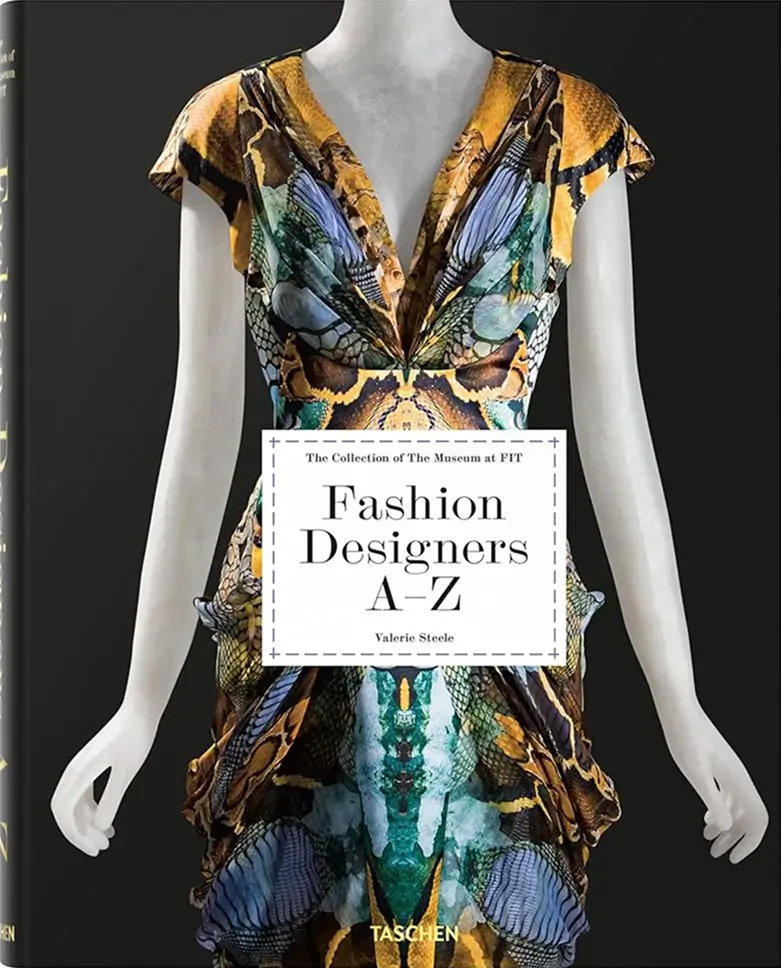
4. Fashion Designers A–Z: The Collection of The Museum at FIT
| Publisher | Taschen |
| Pages | 644 |
| Dimensions | 5.5 x 1.8 x 7.7 inches |
| Weight | 2.4 lbs |
| Best For | Reference & education |
This is the book I reach for when I want to understand HOW something was made, not just admire it. Published with The Museum at FIT, it's essentially a portable fashion education.
Why it's indispensable: Over 200 designers from Azzedine Alaïa to Yohji Yamamoto, each entry featuring garment photographs from FIT's permanent collection with curatorial notes explaining construction significance. The Balenciaga section (pages 45-56) finally made me understand his sculptural silhouettes. The Issey Miyake pages (pages 312-324) explain his pleating technology in ways runway photos never could. Essays by fashion historians add scholarly depth without academic dryness.
The honest downside: The compact format (5.5" x 7.7") means smaller images than most coffee table books — this is a reference work, not a display piece. Some designers get thin coverage; emerging names feel compressed compared to established houses. And at 644 pages, it can feel overwhelming for casual browsing.
The bottom line: The most educational fashion book I own. Essential for anyone serious about understanding fashion beyond surface aesthetics. Keep this on your desk, not your coffee table.
5. Givenchy: The Complete Collections (Catwalk)
| Publisher | Thames & Hudson |
| Pages | 632 |
| Dimensions | 7.8 x 2.1 x 10.2 inches |
| Weight | 4.8 lbs |
| Best For | Complete runway archive |
The Catwalk series is my favorite discovery of the past five years. 632 pages documenting every Givenchy runway show from 1952 to present — the value-per-page ratio is extraordinary.
What the format delivers: The chronological structure lets you trace evolution across creative directors: Hubert's refined French couture that Audrey Hepburn wore in Breakfast at Tiffany's (pages 12-145), McQueen's darkly romantic interpretations (pages 312-398), Tisci's 12-year tenure bringing streetwear to haute couture (pages 399-534), through Matthew Williams's contemporary vision. Each season includes concise commentary on inspiration, key pieces, and critical reception.
The honest downside: The documentary approach means less editorial voice — this is archive, not analysis. Some creative directors get compressed treatment; Hubert's foundational decades feel rushed compared to modern coverage. At 632 pages, finding specific seasons requires patience (the index helps). And while $80 is extraordinary value, the physical format is dense rather than luxurious.
The bottom line: Essential for serious fashion study. If you want to understand how one house evolved across seven decades and multiple creative visions, nothing matches the Catwalk format.
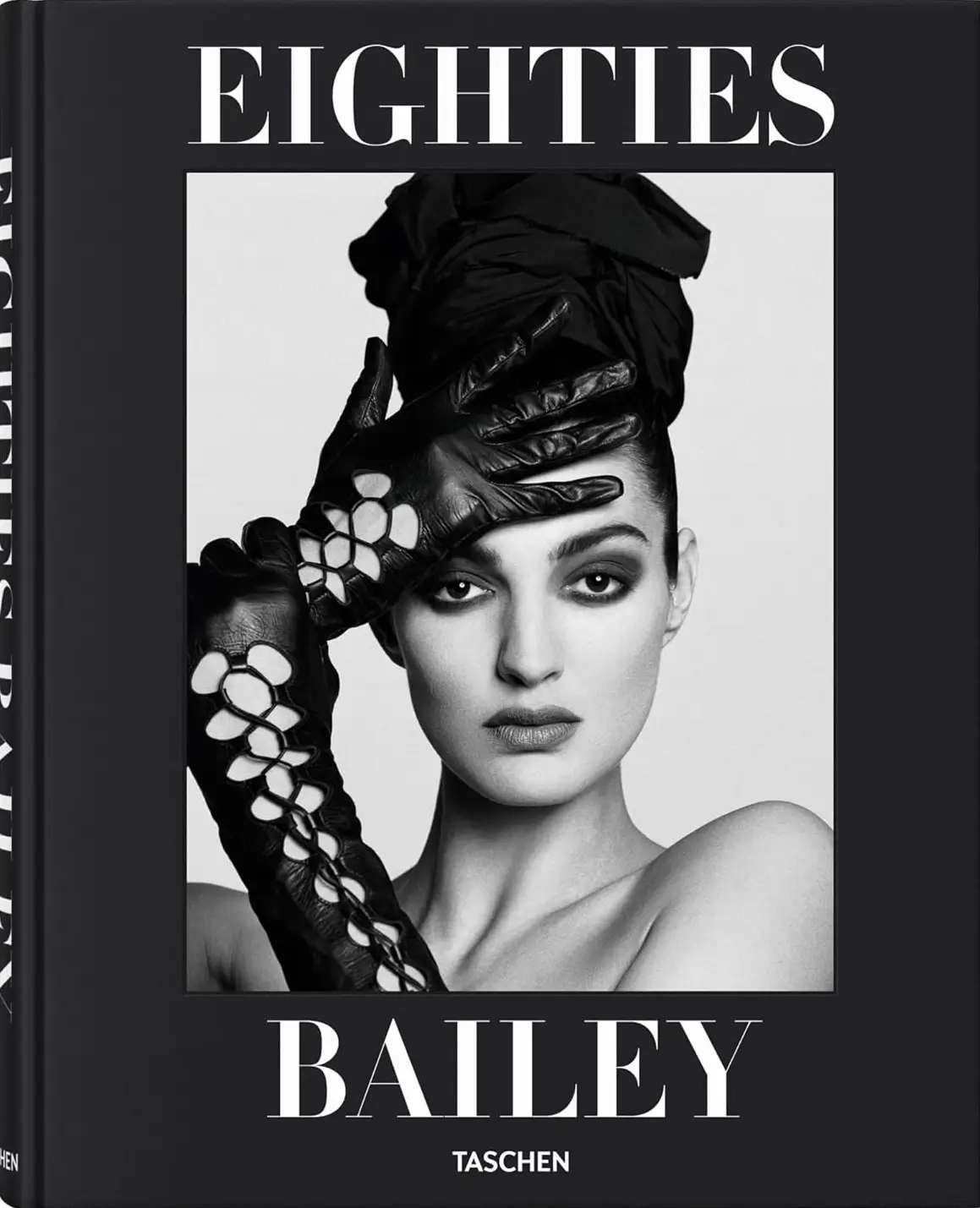
6. David Bailey: Eighties
| Photographer | David Bailey |
| Publisher | Steidl |
| Pages | 384 |
| Dimensions | 11.4 x 1.4 x 12.2 inches |
| Weight | 5.6 lbs |
| Best For | Photography enthusiasts & 80s nostalgia |
Bailey defined Swinging Sixties London, but this book convinced me his 80s work deserves equal attention. The Steidl production is, as always, impeccable — those dense blacks and bright whites showcase his technical mastery.
Why it's more than nostalgia: This isn't sanitized fashion photography — it's raw energy capturing punk meeting power dressing, New Romantics alongside Wall Street excess. Bailey photographed everyone: Boy George (page 67), Grace Jones (pages 112-118), Michael Caine (page 189), Margaret Thatcher (page 234). His fashion work rejects glossy perfection for gritty textures and high contrast that somehow feels more honest than contemporary retouching.
The honest downside: At $125, this is premium Steidl pricing. The 80s aesthetic is divisive — if that decade doesn't interest you, the content won't convert you. Some spreads prioritize mood over clarity; you're getting art photography, not commercial fashion imagery. And at 384 pages, celebrity portraits compete with fashion work for attention.
The bottom line: Essential for photography collectors and anyone who appreciates the 80s aesthetic. The Steidl production alone justifies the price for print quality obsessives.
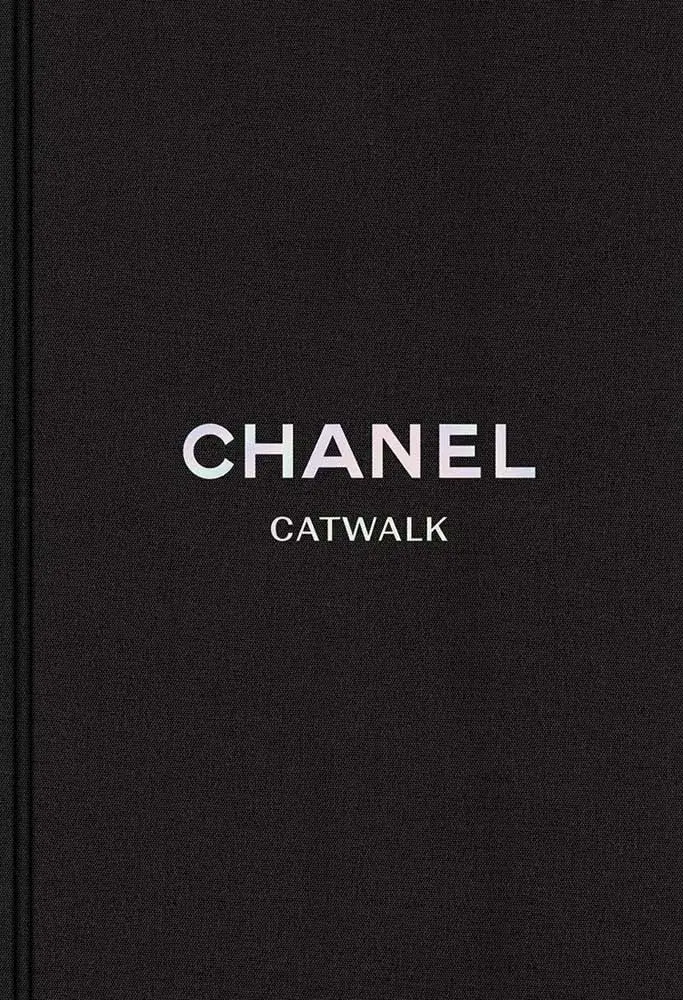
7. Chanel: The Complete Collections (Catwalk)
| Publisher | Thames & Hudson |
| Pages | 632 |
| Dimensions | 7.8 x 2.1 x 10.2 inches |
| Weight | 4.8 lbs |
| Best For | Chanel obsessives & fashion history |
If you're going to own one Catwalk book, make it this one. Lagerfeld's 36-year tenure at Chanel is fashion's greatest reinvention story, and this 632-page archive captures every chapter.
What makes it the essential Catwalk: From Lagerfeld's 1983 arrival through Virginie Viard's contemporary collections, you witness how he took Coco's codes — tweed suit, quilted handbag, pearls, camellia — and reinvented them constantly. The early 80s tributes (pages 12-89), the supermodel era when Claudia, Naomi, and Linda commanded his runways (pages 178-267), the Grand Palais spectacles including that Chanel rocket ship (pages 456-478), and his final collections (pages 534-567). Each season documented with runway photos and inspiration commentary.
The honest downside: Lagerfeld dominates so thoroughly that Coco's original vision gets minimal coverage — this is really "The Lagerfeld Years at Chanel." Viard's post-Karl collections (pages 568-620) feel like an appendix. And the documentary format means you're getting archive, not the critical analysis of why certain collections succeeded or failed.
The bottom line: The single best value in fashion coffee table books. 632 pages of one of fashion's most important houses for $80 is extraordinary. Start your Catwalk collection here.
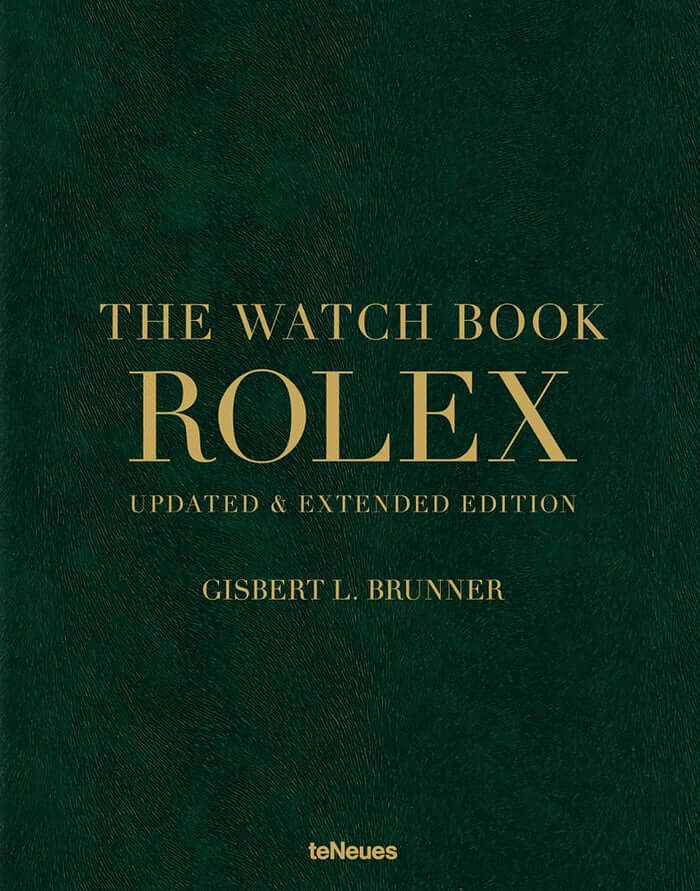
8. The Watch Book: Rolex
| Author | Gisbert L. Brunner |
| Publisher | teNeues |
| Pages | 320 |
| Dimensions | 10.2 x 1.4 x 13.0 inches |
| Weight | 5.2 lbs |
| Best For | Watch enthusiasts & accessories focus |
Fashion extends beyond clothing — this is my concession to that reality. Gisbert Brunner's definitive Rolex reference earns a place in fashion libraries because accessories matter.
Why it belongs here: The photography features extreme close-ups of mechanical details and bracelet evolution that watch advertising never shows. You'll understand why certain models became cultural icons: the Submariner as Bond's watch (pages 156-189), the Daytona's Paul Newman connection (pages 234-267), the Day-Date as the "President's watch" (pages 312-345). The large format allows double-page spreads shot like fine art.
The honest downside: If watches don't interest you, this is entirely skippable. The trilingual format (English, German, French) means content repeats three times, which feels redundant. And at $110 for a non-fashion-house book, it's competing with Catwalk volumes that offer more pages.
The bottom line: Essential for watch enthusiasts building a broader fashion library. Skip it if your interest is strictly clothing-focused.
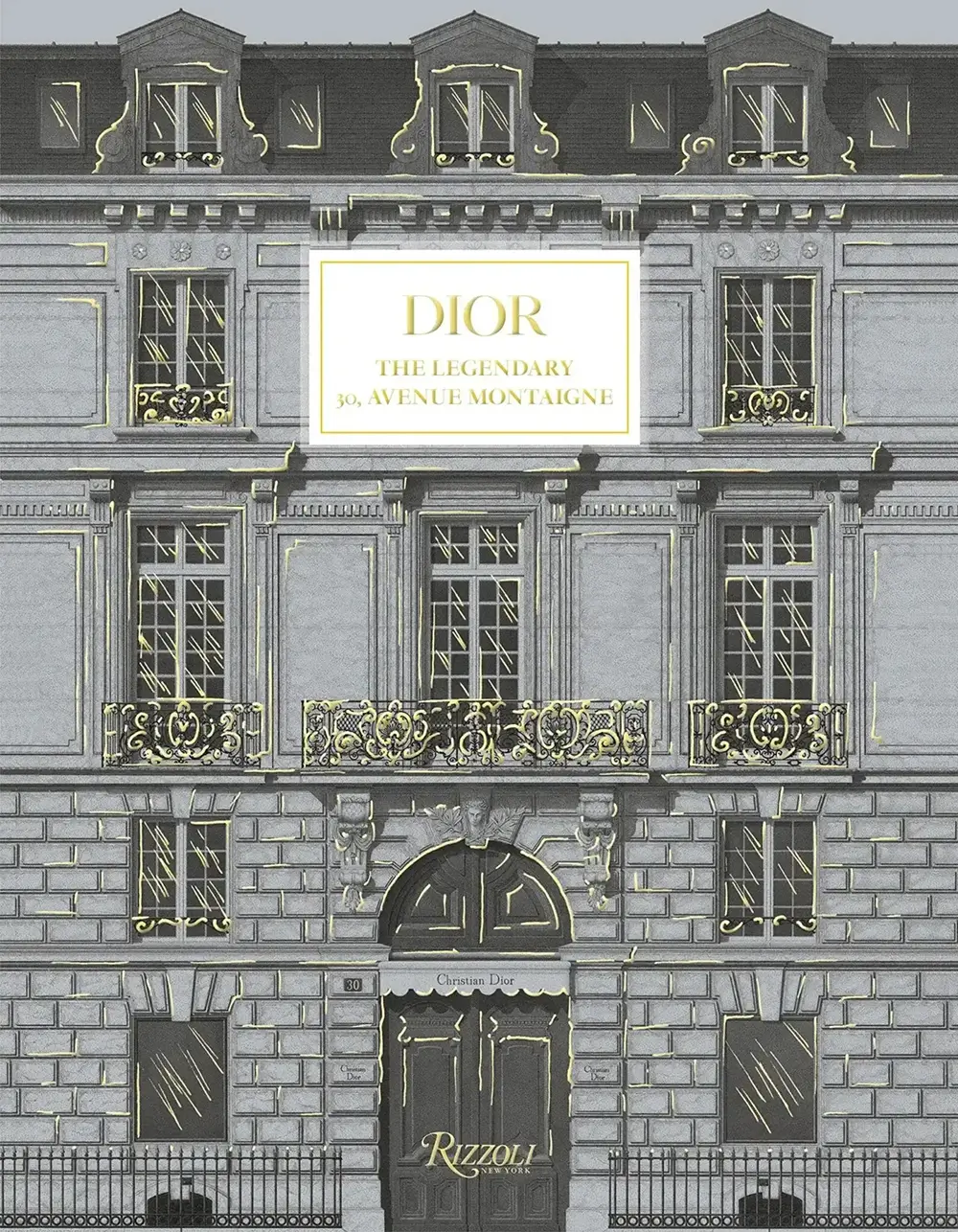
9. Dior: The Legendary 30, Avenue Montaigne
| Publisher | Rizzoli |
| Pages | 280 |
| Dimensions | 10.2 x 1.1 x 13.4 inches |
| Weight | 4.2 lbs |
| Best For | Couture process & Dior fans |
This is the Dior book that surprised me most. Instead of another runway retrospective, it focuses on place — the legendary salon where the New Look was born.
What makes the approach work: You'll see the iconic spiral staircase (pages 34-45), fitting rooms where Marlene Dietrich and Grace Kelly had gowns tailored (pages 89-112), and ateliers where petites mains still hand-sew thousands of hours into single garments (pages 156-198). The focus on craft over finished product reveals what haute couture actually means — the human labor behind the fantasy.
The honest downside: If you want runway imagery, the Dior Catwalk book serves better. The architectural/atelier focus means fewer garment photographs than typical fashion books. Some readers will find the building-centric approach less immediately gratifying than designer retrospectives.
The bottom line: At $50, exceptional value for understanding haute couture's soul. A perfect complement to runway-focused books, not a replacement for them.
10. Louis Vuitton: The Birth of Modern Luxury
| Author | Louis Vuitton Malletier |
| Publisher | Rizzoli |
| Pages | 512 |
| Dimensions | 11.0 x 2.3 x 14.0 inches |
| Weight | 7.8 lbs |
| Best For | Brand history & luxury marketing |
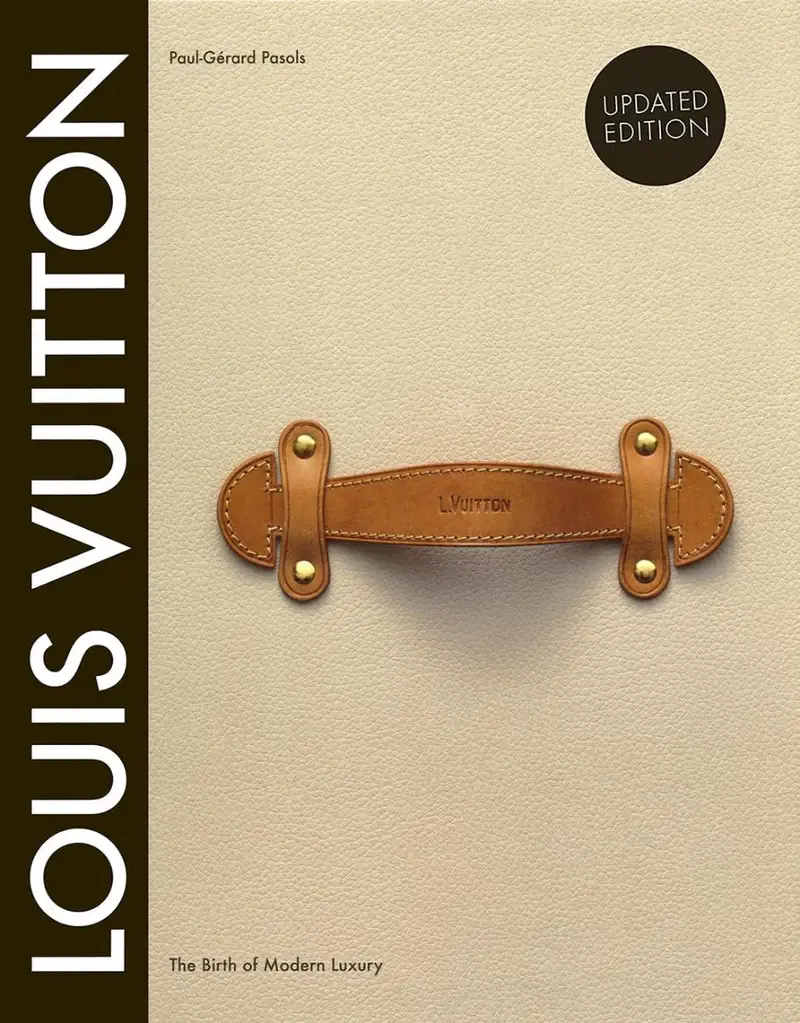
Published with full LVMH archive cooperation, this is less fashion book and more business history — how a trunk maker became the world's most valuable luxury brand.
What the archive access provides: The story starts in 1854 with Louis Vuitton's revolutionary flat-topped trunks (pages 12-67) and traces the iconic monogram canvas invented in 1896 to prevent counterfeiting (pages 89-134). The modern era covers Marc Jacobs's 1997 appointment (pages 312-378) and landmark collaborations: Stephen Sprouse (pages 389-412), Takashi Murakami (pages 413-445), Yayoi Kusama (pages 446-478). At 7+ pounds and 512 pages, this is comprehensive.
The honest downside: The authorized nature means brand celebration over critical analysis — you won't find discussion of LVMH's controversial business practices or the creative tensions behind certain collections. At $150, this is premium pricing for what's essentially corporate history. And the weight (7.8 lbs) makes casual browsing physically demanding.
The bottom line: The definitive LV reference for brand devotees and luxury industry students. Others should prioritize designer-focused volumes first.
11. Gucci: The Making of
| Publisher | Rizzoli |
| Pages | 320 |
| Dimensions | 10.5 x 1.4 x 13.8 inches |
| Weight | 5.4 lbs |
| Best For | Gucci fans & brand transformation |
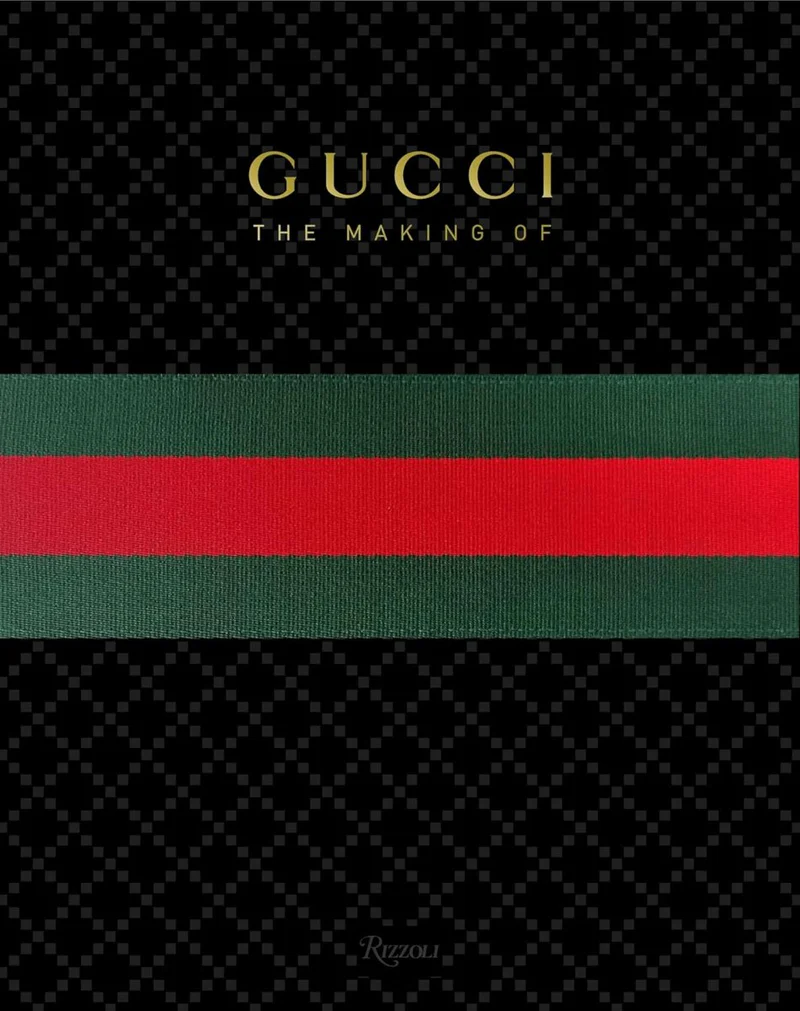
Few brands have experienced transformations as dramatic as Gucci. This book captures the whiplash: Guccio's 1921 Florence workshop to Tom Ford's sexy minimalism to Alessandro Michele's maximalism to Sabato De Sarno's refined elegance.
What the craft focus reveals: Beyond runway imagery, you see how horsebit loafers are crafted in Tuscan workshops (pages 234-256) and how the bamboo-handle bag became an icon through actual construction documentation (pages 178-198). The Tom Ford chapter (pages 89-145) explains how his vision saved a failing company. The Michele section (pages 267-298) captures the gender-fluid aesthetic that redefined 2010s fashion.
The honest downside: The rapid creative director changes mean each era gets compressed treatment — Ford deserves a dedicated book, as does Michele. Some sections feel like brand PR rather than independent analysis. At $100, you're paying Gucci premium.
The bottom line: Essential for understanding fashion's most dramatic brand transformations. The craft documentation elevates it above typical retrospectives.
12. Vivienne Westwood (Catwalk)
| Publisher | Thames & Hudson |
| Pages | 632 |
| Dimensions | 7.8 x 2.1 x 10.2 inches |
| Weight | 4.8 lbs |
| Best For | Punk history & political fashion |
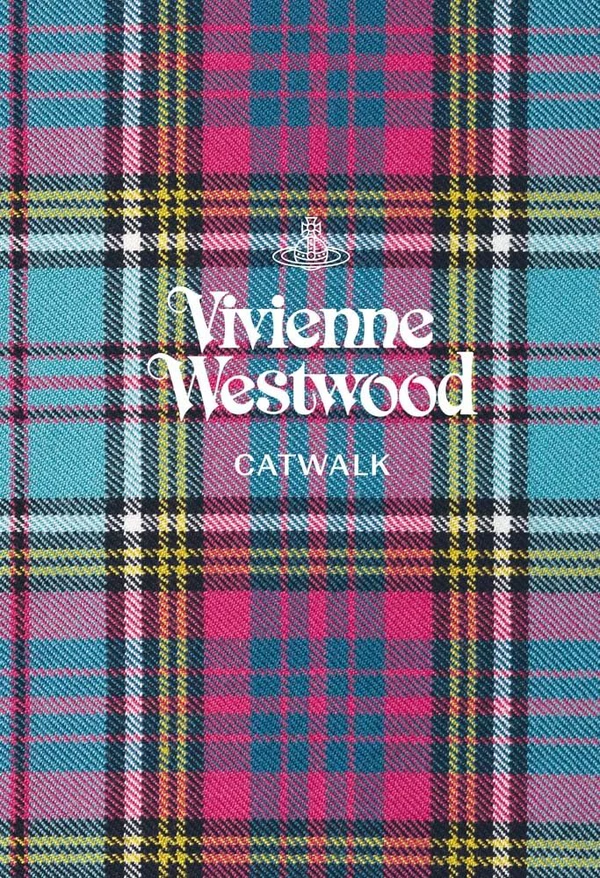
From punk provocateur to Dame Commander — Westwood's journey is fashion's most unlikely transformation. This Catwalk volume documents every show from the 1981 Pirate collection through her final collections before her 2022 passing.
What makes her archive essential: The evolution from Malcolm McLaren-era bondage gear (pages 12-67) to tailored historicism inspired by 18th-century portraiture (pages 178-312) is remarkable. Her signature techniques appear throughout: corsetry, tartan, platform shoes, draping borrowed from centuries past. Every collection carried political messages about environmentalism, nuclear disarmament, or civil rights — fashion as activism before it became marketing.
The honest downside: Westwood's aesthetic is divisive; if punk-meets-aristocracy doesn't appeal, 632 pages won't convert you. The later collections (pages 456-620) feel repetitive compared to her groundbreaking early work. The documentary format captures looks but not the chaos of her actual shows.
The bottom line: Essential for understanding fashion as political statement. The Catwalk format provides comprehensive documentation of one of fashion's true originals.
13. Naomi in Fashion
| Publisher | Rizzoli |
| Pages | 288 |
| Dimensions | 9.8 x 1.2 x 12.5 inches |
| Weight | 4.1 lbs |
| Best For | Supermodel era & fashion photography |
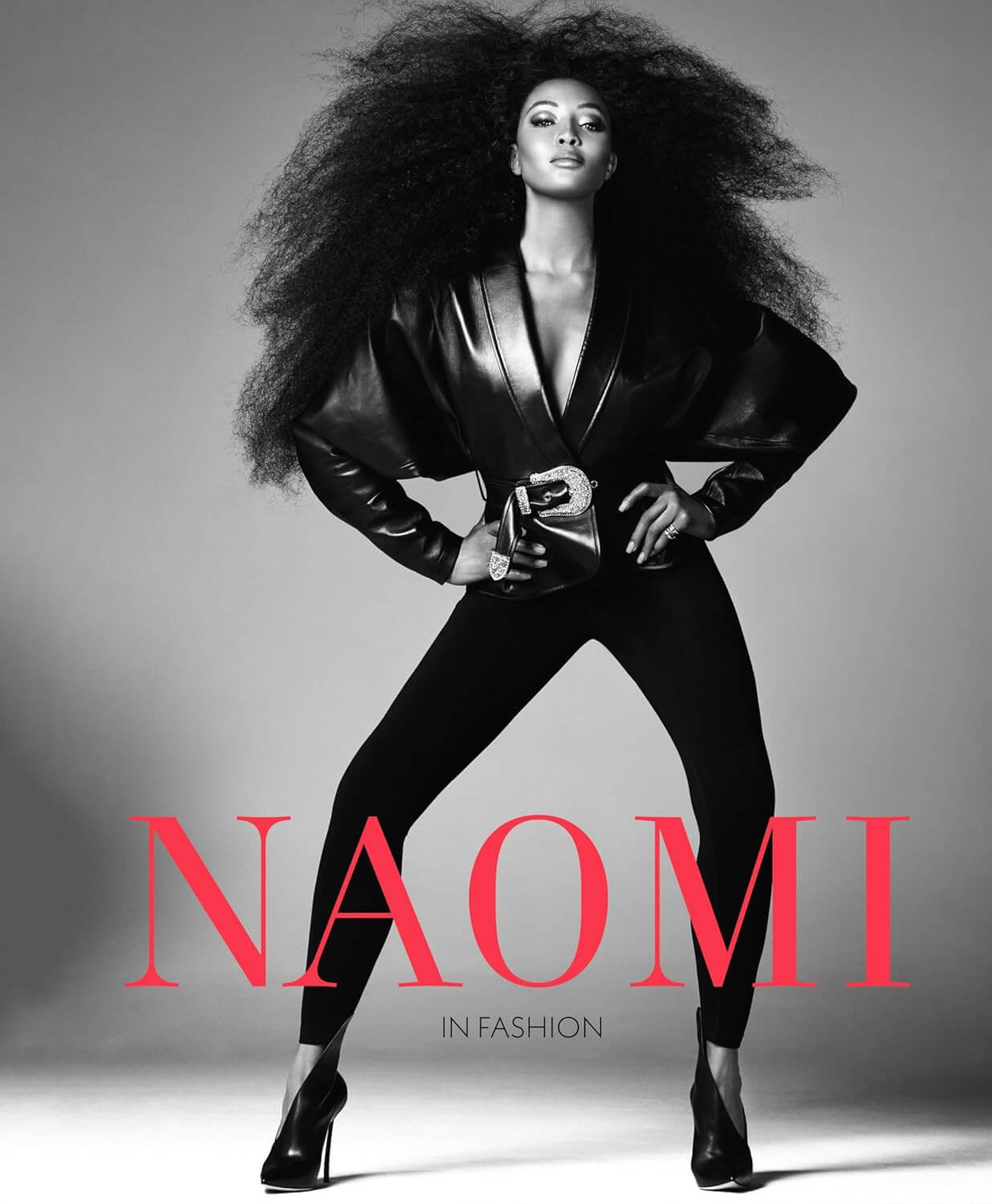
Naomi Campbell isn't just a supermodel — she broke barriers and redefined beauty standards across four decades. This retrospective captures why she matters beyond the runway.
What the career span reveals: From discovery at 15 to closing runways at 54, you see Steven Meisel's groundbreaking Vogue Italia covers (pages 78-98), Peter Lindbergh's iconic supermodel portraits (pages 134-156), and Versace campaigns where she, Linda, Christy, and Cindy became household names (pages 178-212). The photography represents work from every major fashion photographer of the past 40 years — it's essentially a photography survey through one subject.
The honest downside: The celebration approach means minimal critical analysis of controversies that shaped her career. Some spreads prioritize iconic status over editorial insight. At $65, it's mid-range pricing for what's essentially a celebrity photography compilation.
The bottom line: Essential for understanding supermodel culture and fashion photography evolution. The barrier-breaking narrative adds substance beyond beautiful imagery.
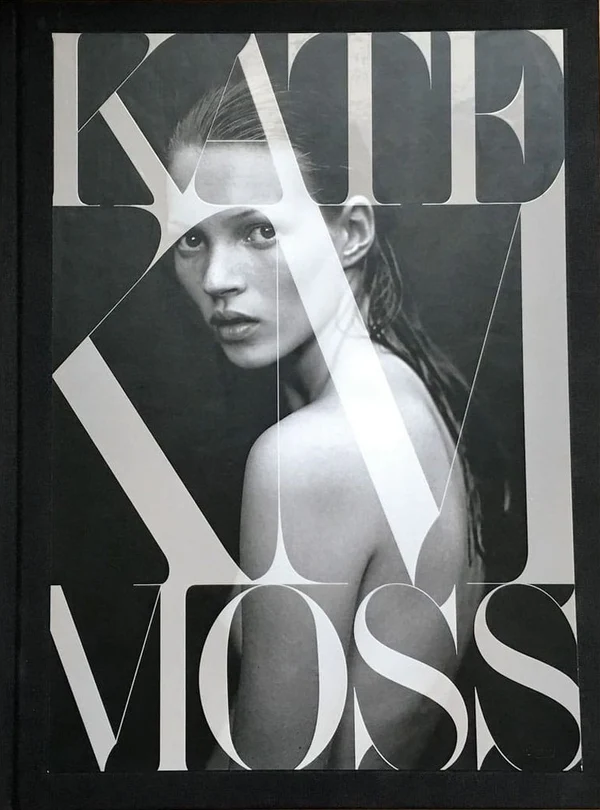
14. KATE: The Kate Moss Book
| Publisher | Rizzoli |
| Pages | 464 |
| Dimensions | 10.2 x 2.1 x 13.5 inches |
| Weight | 5.8 lbs |
| Best For | 90s fashion & photographer showcase |
Kate Moss defined 90s cool — the waif aesthetic, effortless style, rock-and-roll lifestyle that influenced every decade since. This 464-page monograph gathers her most memorable moments.
Why it's more than celebrity worship: The book opens with Corinne Day's revolutionary photographs for The Face (pages 12-34) that launched "heroin chic." You progress through Calvin Klein campaigns (pages 67-98), Mario Testino's Gucci work (pages 145-178), and evolution through different photographers' eyes: Mert & Marcus (pages 234-267), Juergen Teller (pages 289-312), Craig McDean (pages 345-378). Each brings out different aspects of her chameleon quality.
The honest downside: At 464 pages, the book occasionally feels exhaustive rather than curated. Some editorial spreads blur together. The celebration of her influence doesn't address the problematic aspects of the aesthetic she popularized. At $100, you're paying model-premium pricing.
The bottom line: The definitive document of fashion's most influential model since the supermodel era. Essential for understanding how one person's look can shape an entire decade's aesthetic.
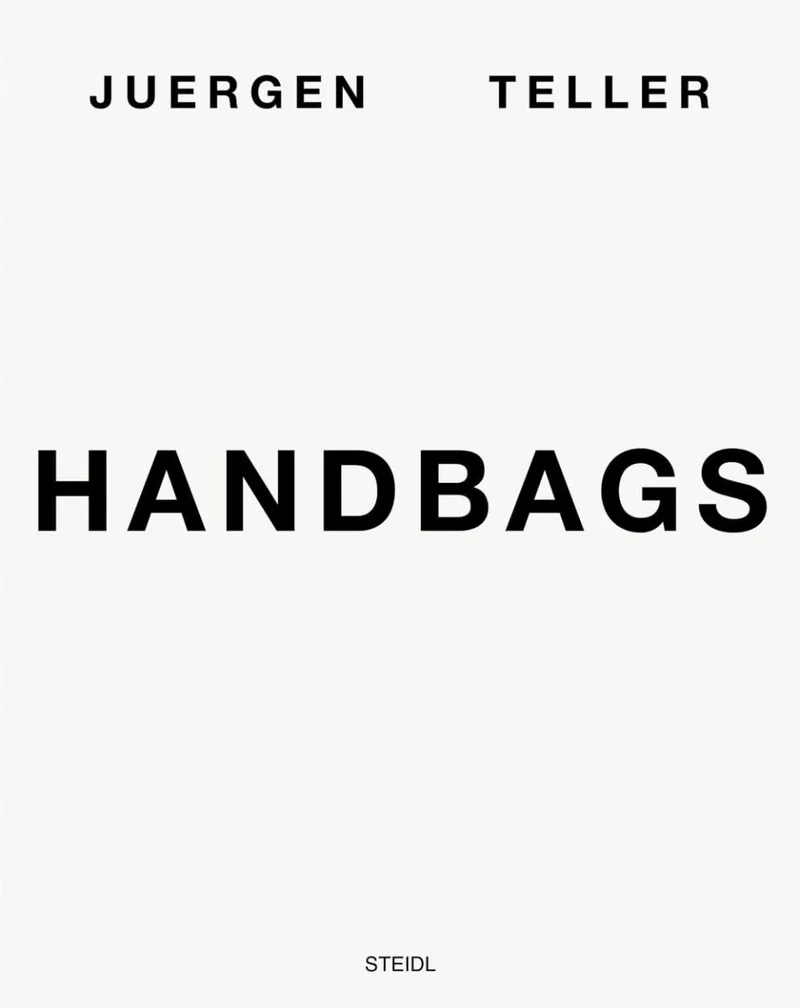
15. Handbags: Juergen Teller
| Photographer | Juergen Teller |
| Publisher | Steidl |
| Pages | 208 |
| Dimensions | 9.5 x 1.0 x 12.2 inches |
| Weight | 3.4 lbs |
| Best For | Art photography & industry critique |
This is fashion photography's great subversion. Teller — who rejects airbrushed perfection for raw honesty — photographs luxury handbags in deliberately unglamorous settings.
What the subversion reveals: Designer bags tossed on unmade beds (pages 34-56), held by his elderly mother (pages 89-112), placed in harsh fluorescent lighting (pages 134-156). It's anti-advertising that somehow makes you desire the bags more by exposing fashion's absurdity. The Steidl production — Teller's involvement in every detail — turns the book itself into an art object.
The honest downside: If you want traditional product photography, this will frustrate you. The conceptual approach isn't for everyone — some spreads feel more art-school than accessible. At $125 for 208 pages, the price-per-page is steep. And the ironic distance might not land for readers who simply love beautiful handbags.
The bottom line: Essential for photography collectors and anyone who appreciates fashion critique from within. Skip it if you want straightforward product celebration.
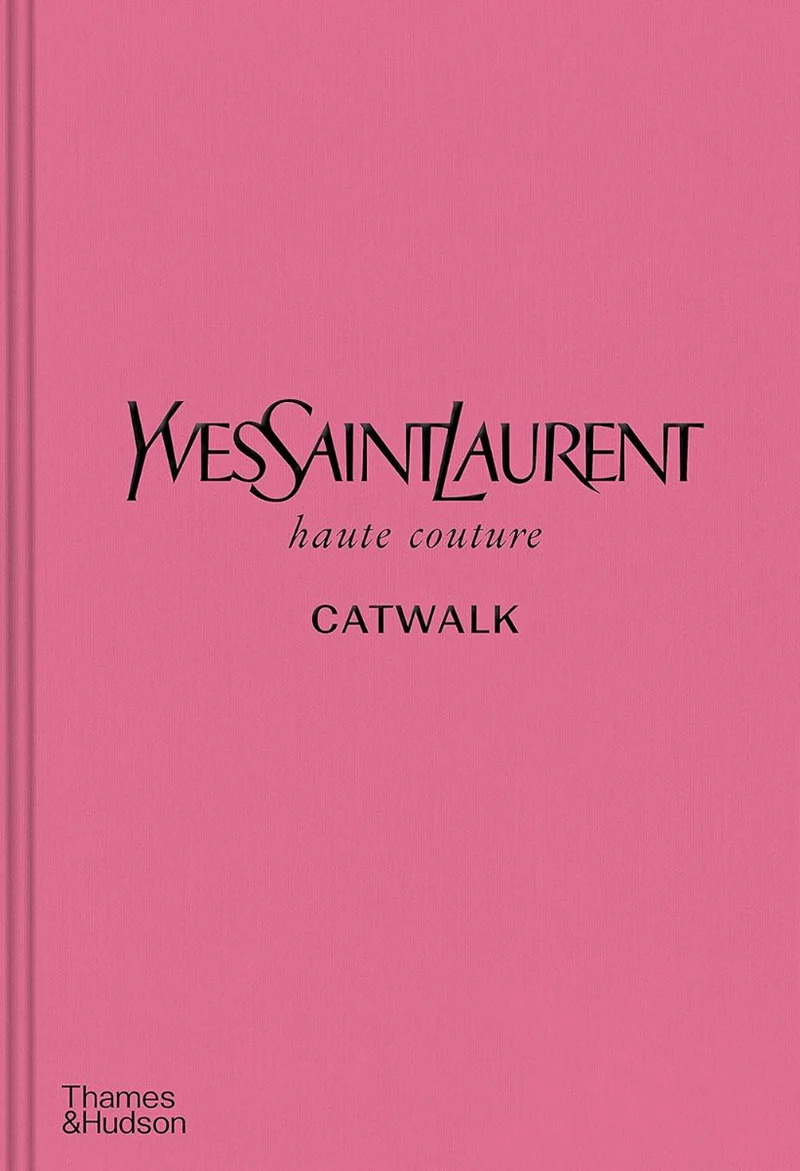
16. Yves Saint Laurent: Haute Couture (Catwalk)
| Publisher | Thames & Hudson |
| Pages | 632 |
| Dimensions | 7.8 x 2.1 x 10.2 inches |
| Weight | 4.8 lbs |
| Best For | Fashion history & women's liberation |
YSL revolutionized women's fashion more than almost any designer: Le Smoking tuxedo, safari jackets, transparent blouses, the Mondrian dress. This Catwalk volume documents his complete haute couture collections from 1962 through his emotional 2002 finale.
Why his archive matters most: Saint Laurent made high fashion wearable and liberating. The book shows how he challenged conventions: putting women in menswear (pages 78-134), celebrating multiculturalism through Russian, Chinese, and African-inspired collections (pages 267-345), elevating street style to couture (pages 398-456). His 2002 final show documentation (pages 589-620) is genuinely moving.
The honest downside: This covers only haute couture — no Rive Gauche ready-to-wear, which is where most of his revolutionary ideas reached regular women. The Catwalk documentary approach means less analysis of WHY he made these choices. Some collections receive thin treatment despite their significance.
The bottom line: Essential for understanding fashion as social change. Saint Laurent's influence on how women dress today is incalculable — this archive makes that legacy visible.
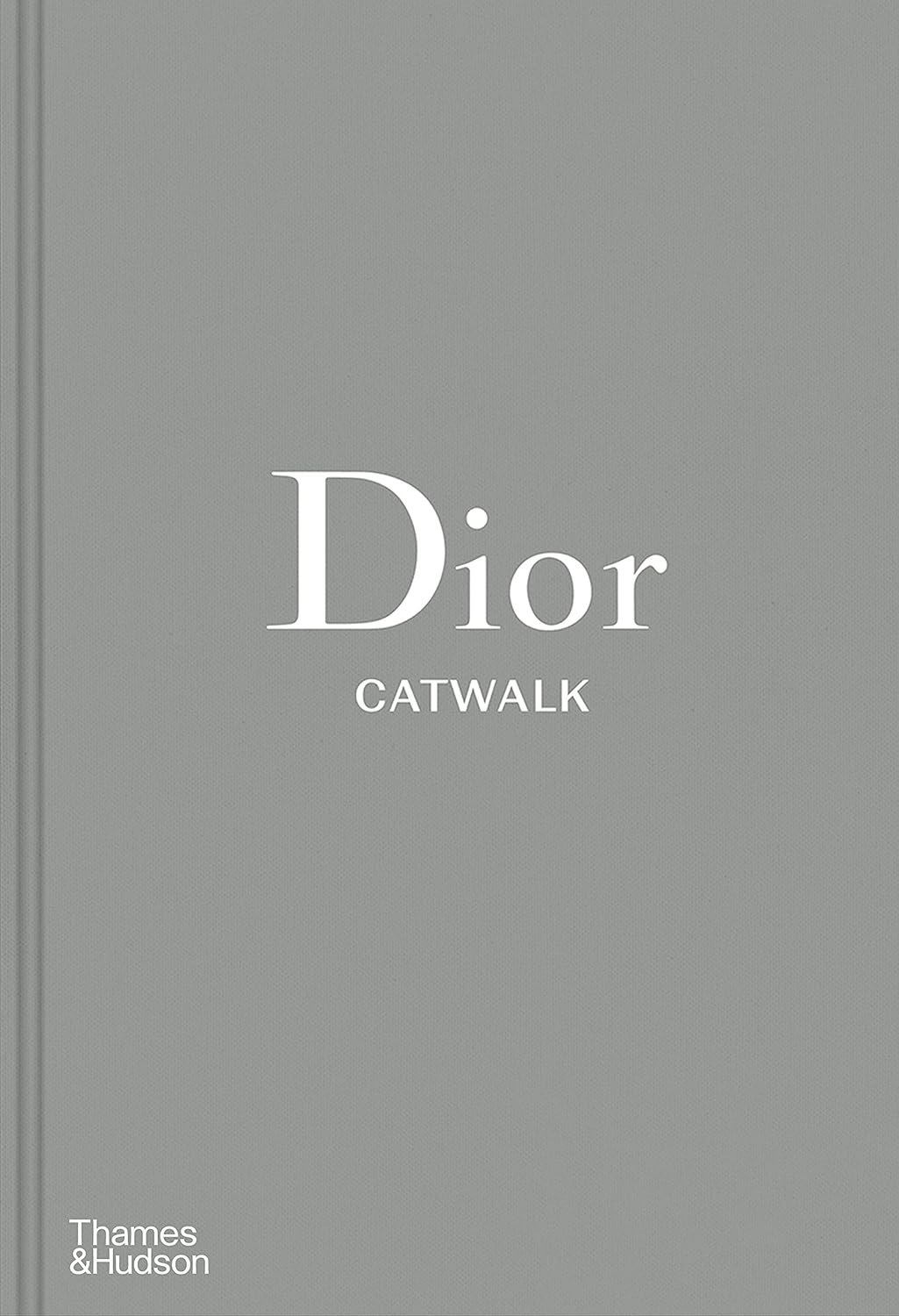
17. Dior (Catwalk)
| Publisher | Thames & Hudson |
| Pages | 632 |
| Dimensions | 7.8 x 2.1 x 10.2 inches |
| Weight | 4.8 lbs |
| Best For | Creative director comparison |
Seven creative directors over seven decades — Dior's Catwalk archive offers the clearest study of how different visions interpret one house's DNA.
What the succession reveals: From Christian Dior's revolutionary 1947 New Look (pages 12-45) through Yves Saint Laurent (pages 46-89), Marc Bohan (pages 90-178), Gianfranco Ferré (pages 179-267), John Galliano's theatrical maximalism (pages 268-398), Raf Simons's minimalist modernism (pages 399-478), and Maria Grazia Chiuri's feminist approach (pages 479-620). The Bar jacket appears in countless interpretations, yet construction emphasis remains constant.
The honest downside: Galliano's tenure (pages 268-398) dominates — understandably, given his creative output, but later directors feel compressed. The documentary format captures looks without fully explaining the dramatic behind-the-scenes changes. Some collections deserve more context than Catwalk format allows.
The bottom line: Essential for understanding how fashion houses maintain identity across creative directors. The comparative format makes Dior's DNA visible in ways single-designer books can't achieve.
18. Prada (Catwalk)
| Publisher | Thames & Hudson |
| Pages | 632 |
| Dimensions | 7.8 x 2.1 x 10.2 inches |
| Weight | 4.8 lbs |
| Best For | Intellectual fashion & industry influence |
Miuccia Prada is fashion's great intellectual — a PhD in political science who transformed her family's leather goods company into the industry's most thought-provoking house. This Catwalk documents every show from her 1988 debut.
Why her approach matters: Miuccia makes "ugly" beautiful, turns practicality into high fashion (remember when nylon backpacks became luxury items?), and uses fashion to explore femininity, consumerism, and taste. The early collections (pages 12-89) show her finding her voice. The 90s work (pages 90-234) reveals how she challenged beauty standards. Without Miuccia's intellectual approach, we wouldn't have Raf Simons's minimalism or Demna's Balenciaga.
The honest downside: Prada's cerebral approach can feel cold on the page; without show notes and interviews, some collections seem deliberately obtuse. The Catwalk format doesn't capture her conceptual intentions well. And if intellectual fashion isn't your interest, 632 pages of it won't convert you.
The bottom line: Essential for understanding contemporary fashion's intellectual foundations. Miuccia's influence on the entire industry makes this archive invaluable for serious students.
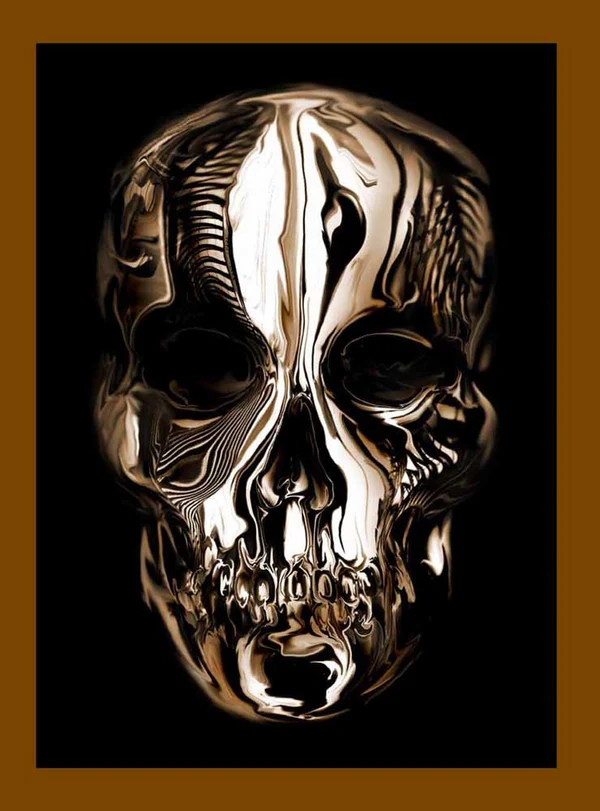
19. Alexander McQueen: Savage Beauty
| Publisher | Metropolitan Museum of Art |
| Pages | 240 |
| Dimensions | 9.5 x 1.2 x 11.5 inches |
| Weight | 3.6 lbs |
| Best For | Fashion-as-art & exhibition catalogue |
Based on the Met exhibition that drew record crowds, this captures McQueen's extraordinary vision — dark, romantic, technically brilliant, utterly uncompromising.
What the exhibition format preserves: McQueen's work transcended fashion to become performance art. The book documents his most iconic collections: "Highland Rape" with torn tartans (pages 45-67), "VOSS" with models trapped in a glass box (pages 89-112), the Kate Moss hologram (pages 145-156), armadillo shoes Lady Gaga made famous (pages 178-189). Photography captures details missed on runways: hand-painted fabrics, intricate lacework, patterns cut to distort the body sculpturally.
The honest downside: At 240 pages, this is shorter than Catwalk volumes — exhibition catalogue format means curated highlights, not comprehensive archive. The museum context adds scholarly framing some readers won't need. At $50, good value but leaves you wanting more.
The bottom line: The most accessible entry point to McQueen's genius. Essential for understanding fashion as art, not just commerce. The exhibition format captures his theatrical vision perfectly.
20. Versace (Catwalk)
| Publisher | Thames & Hudson |
| Pages | 632 |
| Dimensions | 7.8 x 2.1 x 10.2 inches |
| Weight | 4.8 lbs |
| Best For | 90s nostalgia & maximalist fashion |
Gianni Versace brought Mediterranean maximalism to fashion — bold prints, baroque excess, sexy silhouettes, supermodel glamour. This archive spans his groundbreaking work through Donatella's continuation.
What 90s fashion nostalgia actually looked like: The supermodels refusing to walk for less than $10,000 (pages 156-234), the safety pin dress that made Elizabeth Hurley famous (page 267), baroque gold prints on everything (pages 89-145). Gianni's collections from the 1980s through his 1997 assassination (pages 12-398) define an era. Donatella's continuation (pages 399-620) shows how she maintained house DNA while modernizing.
The honest downside: Gianni's work is so iconic that Donatella's collections feel like appendix material. The maximalist aesthetic is divisive — if baroque excess isn't your taste, this won't convert you. The Catwalk format documents looks without capturing the celebrity spectacle that defined Versace shows.
The bottom line: Essential for understanding 90s fashion and supermodel culture. The Catwalk format provides comprehensive archive of fashion's most glamorous house.
Quick Comparison
| Book | Best For | Price | Pages | My Rating |
|---|---|---|---|---|
| In Vogue | Magazine history | $75 | 408 | ★★★★½ |
| Tom Ford 002 | Status symbol | $135 | 444 | ★★★★★ |
| Valentino | Couture craftsmanship | $100 | 320 | ★★★★½ |
| Fashion Designers A–Z | Reference | $80 | 644 | ★★★★★ |
| Givenchy (Catwalk) | Complete archive | $80 | 632 | ★★★★½ |
| David Bailey: Eighties | Photography | $125 | 384 | ★★★★ |
| Chanel (Catwalk) | Best overall value | $80 | 632 | ★★★★★ |
| Watch Book: Rolex | Accessories | $110 | 320 | ★★★★ |
| Dior: 30 Avenue Montaigne | Couture process | $50 | 280 | ★★★★½ |
| Louis Vuitton | Brand history | $150 | 512 | ★★★★ |
| Gucci: The Making of | Brand transformation | $100 | 320 | ★★★★ |
| Vivienne Westwood (Catwalk) | Political fashion | $85 | 632 | ★★★★½ |
| Naomi in Fashion | Supermodel era | $65 | 288 | ★★★★ |
| KATE: The Kate Moss Book | 90s aesthetic | $100 | 464 | ★★★★ |
| Handbags: Juergen Teller | Art photography | $125 | 208 | ★★★★ |
| YSL Haute Couture (Catwalk) | Fashion liberation | $85 | 632 | ★★★★★ |
| Dior (Catwalk) | Creative directors | $85 | 632 | ★★★★★ |
| Prada (Catwalk) | Intellectual fashion | $85 | 632 | ★★★★½ |
| McQueen: Savage Beauty | Fashion-as-art | $50 | 240 | ★★★★★ |
| Versace (Catwalk) | 90s nostalgia | $85 | 632 | ★★★★ |
How I'd Spend Different Budgets
Under $100: Chanel Catwalk ($80) is the clear winner — 632 pages of fashion's most influential house. Add McQueen: Savage Beauty ($50) at $130 total for comprehensive + artistic. Or Dior: 30 Avenue Montaigne ($50) + McQueen ($50) = $100 for two distinct perspectives on couture.
$100-200: Two Catwalk volumes: Chanel ($80) + YSL ($85) = $165 covers fashion's two most influential houses. Or Chanel ($80) + Fashion Designers A–Z ($80) = $160 for breadth + depth. Add Dior Avenue Montaigne ($50) to either combination.
$200-350: Build a Catwalk foundation: Chanel ($80) + Dior ($85) + YSL ($85) + Prada ($85) = $335 for four essential houses. Or Tom Ford 002 ($135) + Chanel Catwalk ($80) + McQueen ($50) = $265 for statement piece + archive + art.
$350-500: Serious collection: Four Catwalk volumes ($335) + Fashion Designers A–Z ($80) + McQueen ($50) = $465. Or Tom Ford 002 ($135) + In Vogue ($75) + three Catwalk volumes ($250) = $460 covering photography, designer, and runway history.
$500+: Complete Catwalk collection: Chanel, Dior, YSL, Prada, Versace, Givenchy, Westwood = $580 for seven houses. Add Fashion Designers A–Z ($80) for reference, Tom Ford 002 ($135) for display, David Bailey ($125) for photography = $920 for a genuinely comprehensive fashion library.
Frequently Asked Questions
Which fashion coffee table book should I start with?
For comprehensive value: Chanel Catwalk at $80 — 632 pages of fashion's most influential house. For educational depth: Fashion Designers A–Z at $80 — coverage of 200+ designers. For display impact: Tom Ford 002 at $135 — the book everyone recognizes.
Are the Catwalk books worth collecting?
Absolutely. At $80-85 for 632 pages of complete runway documentation, the value-per-page is extraordinary. I own six and consider them the foundation of my fashion library. Start with Chanel or Dior, add houses as your interest develops.
What makes expensive fashion books worth the premium?
Production quality (Assouline's gilt edges, Steidl's printing), archive access (Louis Vuitton's LVMH cooperation), and display presence. Whether that's "worth it" depends on your priorities — the Catwalk series delivers more content per dollar, but Valentino's Assouline edition is a genuine luxury object.
Can I find these books discounted?
Amazon prices fluctuate — I've seen Catwalk volumes drop to $50-60 during sales. TJ Maxx and Marshalls occasionally stock high-end fashion books at 50-70% off. AbeBooks lists international sellers with lower prices. Be cautious of extremely low prices that may indicate damaged copies.
Which books focus on fashion photography rather than designers?
In Vogue ($75) for magazine photography evolution. David Bailey: Eighties ($125) for one photographer's decade. Naomi in Fashion ($65) and KATE ($100) survey multiple photographers through their subjects. Handbags: Juergen Teller ($125) for conceptual approach.
I want to understand fashion history, not just see pretty pictures — which books?
Fashion Designers A–Z ($80) for construction techniques and scholarly context. YSL Haute Couture ($85) for fashion as social change. Dior Avenue Montaigne ($50) for couture process. Vivienne Westwood ($85) for political fashion. Prada ($85) for intellectual approach.
Last updated: January 2026. Prices fluctuate — I'll update when I notice major changes.