11 Best Art Coffee Table Books (2026)
Eleven art books I actually live with — from Phaidon's $50 A–Z that belongs on every shelf, to the brand-new American Art Book, to MoMA's collection highlights and the Taschen splurge that turns a table into a statement. Here's exactly who each one is for, and which to skip.
A good art book carries a museum's worth of looking into your living room. I've spent the last several years building out the art section of my collection from my studio here in Austin — buying the survey volumes, the single-movement deep dives, the museum catalogues — and testing them the only way that matters: leaving them out where guests can reach for them, and seeing which ones get opened twice. Below I break down the eleven generalist art books worth owning, what each delivers, where it falls short, and who it's actually for. If you're after a single artist, I've linked my dedicated guides at the end.
Disclosure: This article contains affiliate links. If you purchase through these links, I earn a small commission at no extra cost to you. Every book reviewed here I own personally — none were sent for review.
My Top Picks at a Glance
- Best Overall: The Art Book (Phaidon) — 600 artists, one per page, the most useful $50 in art publishing
- Best for American Art: The American Art Book (Phaidon) — 500 US artists, newly revised, the home-market companion
- Best Gift: Great Women Artists (Phaidon) — five centuries of artists the canon overlooked, beautifully produced
- Best Statement Piece: David Hockney: A Bigger Book (Taschen) — the SUMO-format splurge that becomes furniture
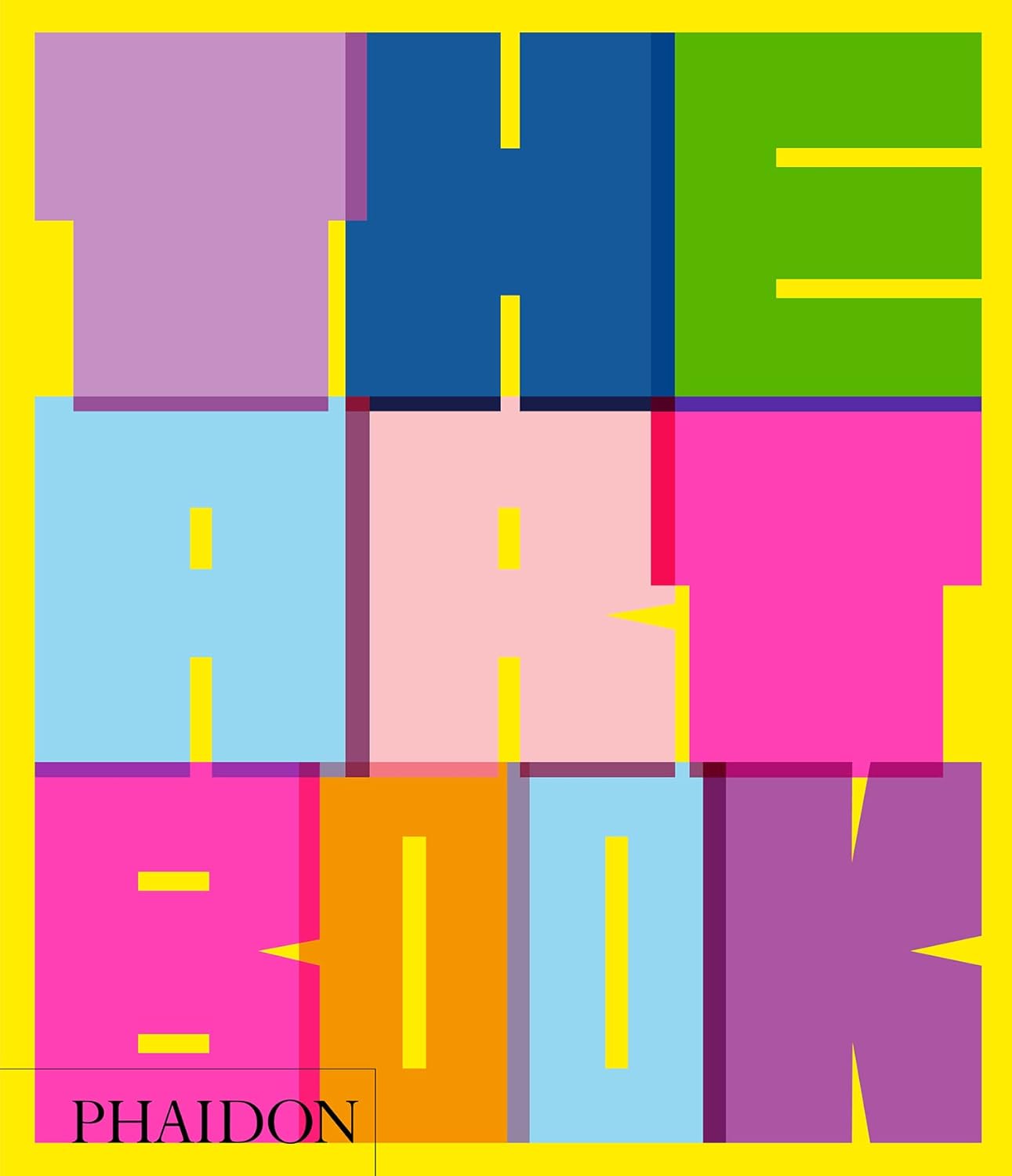
1. The Art Book by Phaidon Editors
| Author | Phaidon Editors |
| Publisher | Phaidon |
| Pages | 592 |
| Dimensions | 11.4 x 9.8 inches |
| Price | ~$45 |
| Best For | First art book & A–Z reference |
This is the book I hand people when they say they want to "get into art" but don't know where to start. The premise is deceptively simple: 600 artists, one per page, arranged alphabetically rather than by movement or date. Giotto sits next to Gilbert & George; Cézanne faces Chagall. Each spread pairs a single full-page work with a short, plain-English caption explaining who the artist was and why they matter.
What I keep returning to: The alphabetical structure is the quiet genius of it. By refusing to organize art into the usual tidy timeline of movements, it forces unexpected encounters — a Renaissance fresco against a piece of 1990s installation art — and that friction is exactly how you start to see across periods instead of memorizing them. After two years on my table it's the most thumbed book I own, and it's still the first one new visitors pick up.
The honest downside: One page per artist means zero depth. You get a single image and 150 words, which is an introduction, not an education — if a particular artist grabs you, you'll immediately want a dedicated monograph. The democratic A–Z approach also flattens importance: Leonardo and a minor contemporary get identical real estate, which purists find maddening.
The bottom line: The single most useful art book for the money. If you buy one volume off this list, buy this — then let it tell you what to buy next.
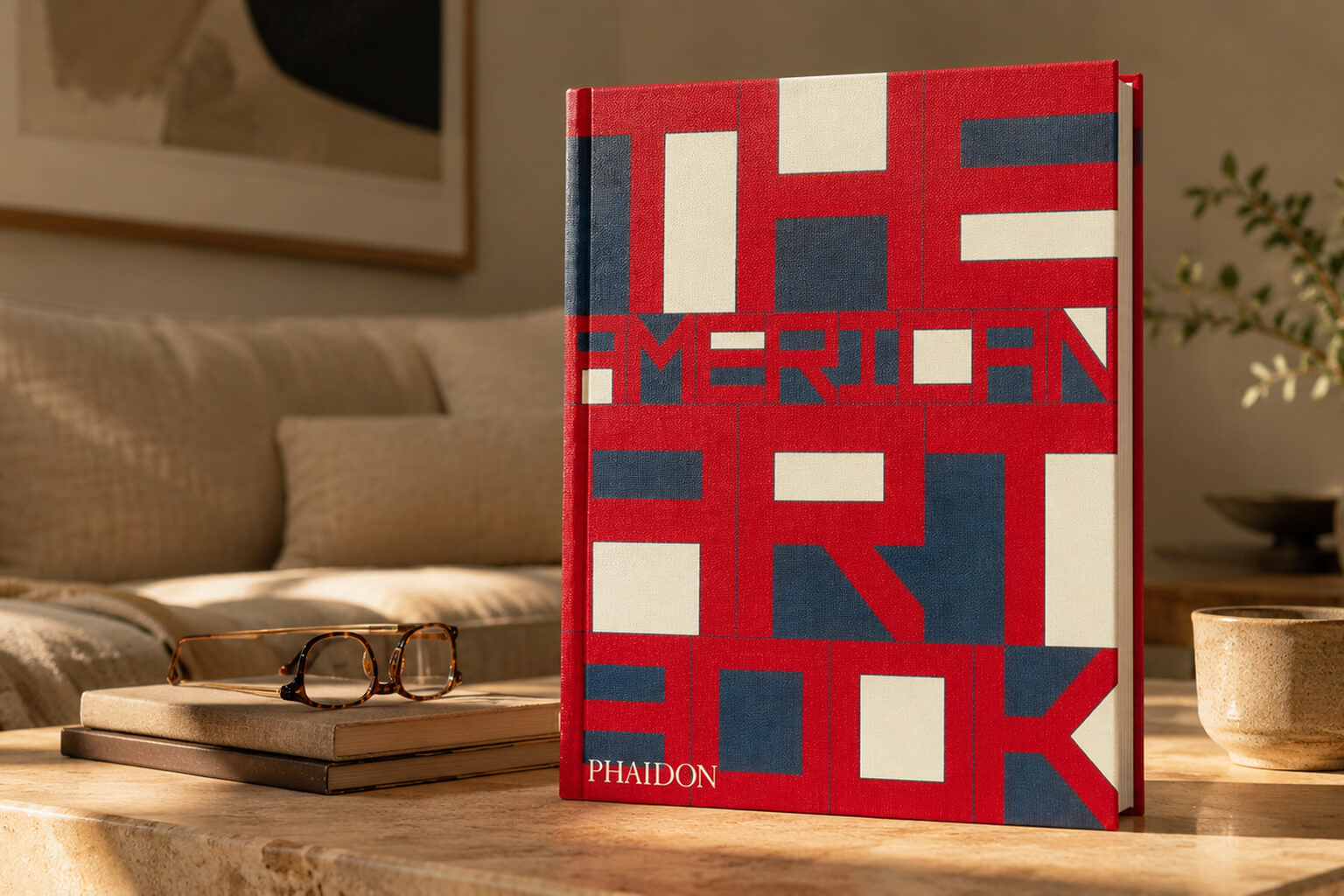
2. The American Art Book by Phaidon Editors
| Author | Phaidon Editors |
| Publisher | Phaidon |
| Pages | 512 |
| Dimensions | 11.9 x 10.3 x 2 inches |
| Price | ~$80 |
| Best For | American art & US collectors |
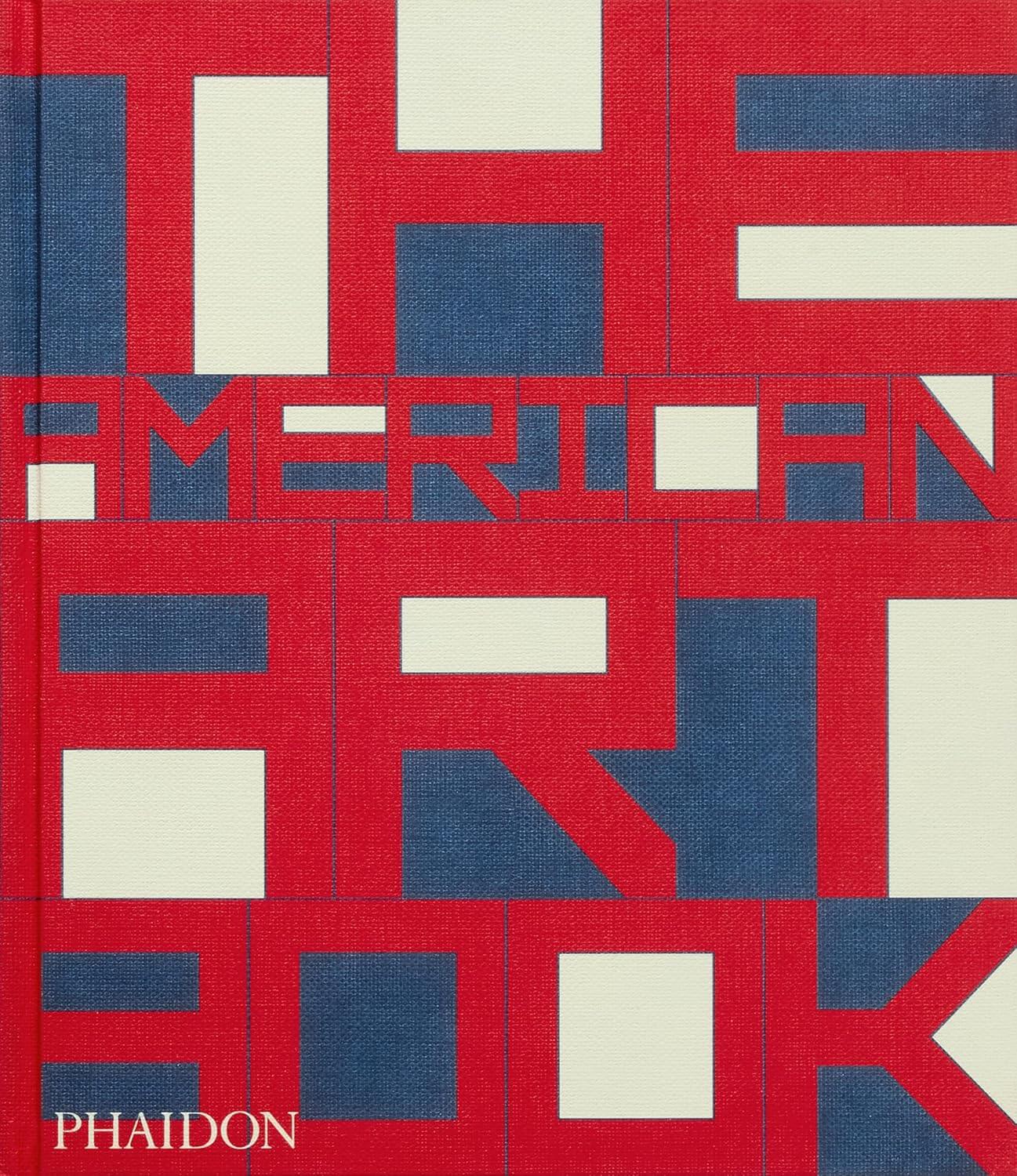
If The Art Book is the world from A to Z, this is the same idea trained on a single country — 500 American artists, one per page, alphabetical, spanning more than three centuries from colonial portraitists through the Hudson River School, the Modernist giants, the earthwork pioneers, and Pop, up to today's contemporary names. Phaidon revised and reissued it in late 2025, so this edition actually reaches current artists rather than stopping a generation back.
What I keep returning to: The alphabetical format produces the same happy collisions as The Art Book, except every pairing is a conversation about America. Jenny Holzer's text works land across the spread from a nineteenth-century Winslow Homer; a Grandma Moses winterscape sits a few pages from a Robert Motherwell abstraction. As someone publishing for a US audience, I find it the single most useful book for understanding the artists my readers grew up around — and the cross-references at the foot of each page quietly build a map of how American art actually connects. Edward Hopper, Georgia O'Keeffe, Cindy Sherman, Ansel Adams, and Jean-Michel Basquiat are all here.
The honest downside: It shares The Art Book's core limitation — one page per artist is an introduction, not a study — so if you already own that volume, expect format déjà-vu. At around $80 it's also the priciest of Phaidon's A–Z surveys, and "what counts as American" is an editorial line some readers will quibble with.
The bottom line: The most relevant survey on this list if you're American or collecting American art. Buy it as the home-market companion to The Art Book — together they cover the world and your corner of it.
3. 30,000 Years of Art by Phaidon Editors
| Author | Phaidon Editors |
| Publisher | Phaidon |
| Pages | 544 |
| Dimensions | 11.8 x 10.2 inches |
| Price | ~$35 |
| Best For | The full sweep of world art |
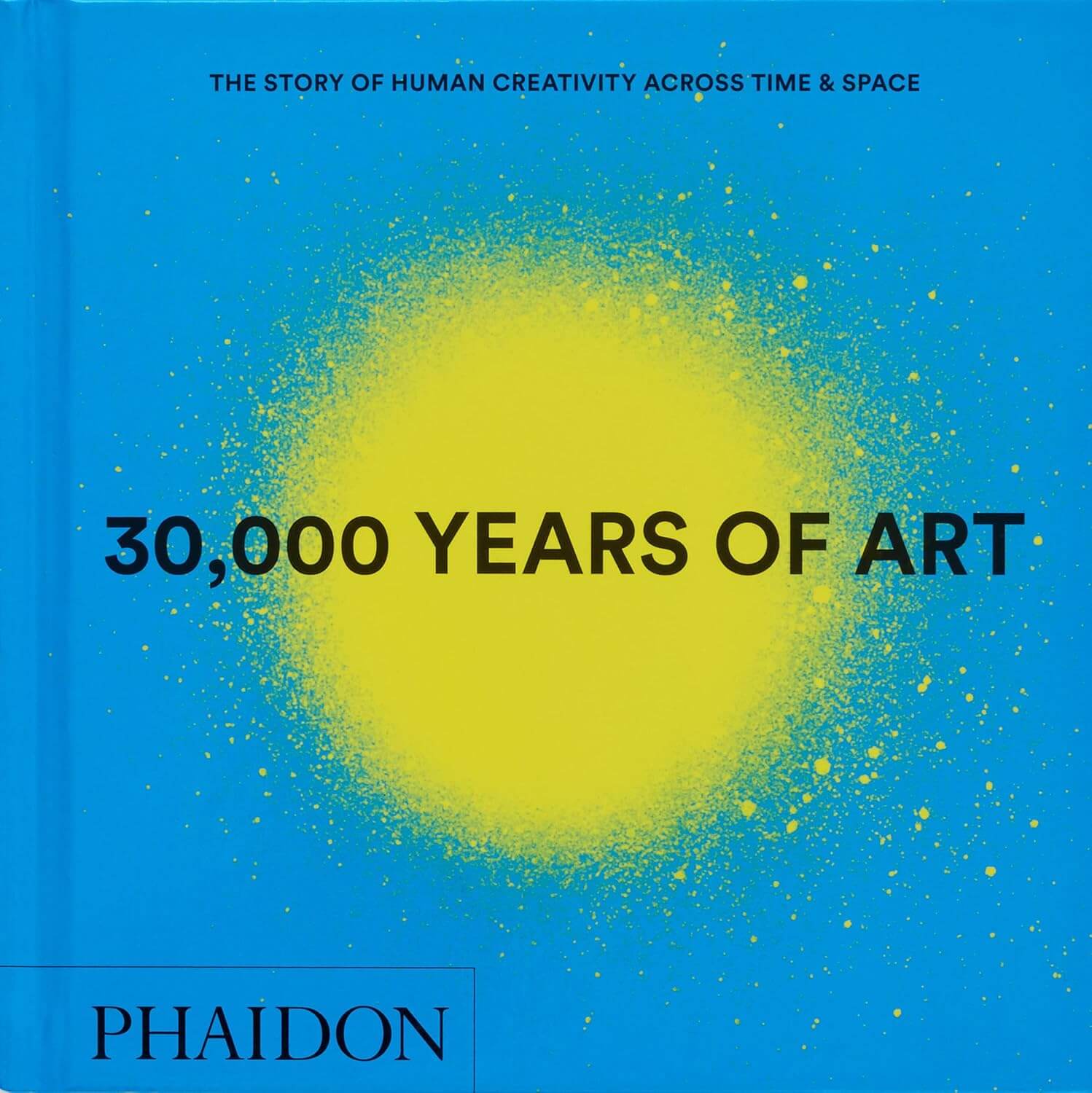
Where The Art Book is a who's-who, this is the long view — roughly 1,000 works arranged in a single unbroken chronological line from a 28,000 BC carved figurine to the late twentieth century. Crucially, it doesn't privilege Europe: an Olmec head, a Benin bronze, and a Song dynasty scroll appear in the same flow as a Botticelli, all dated and placed on the same timeline.
What I keep returning to: Seeing everything on one continuous thread reorders your sense of art history. You register that sophisticated abstraction existed in Cycladic figurines four thousand years before Brancusi, and that "modern" looking forms are often the oldest ones. The global, non-Western-centric selection is the most genuinely educational thing about it, and it's why I reach for this when I want to be reminded how small the standard Western canon actually is.
The honest downside: The strict one-work-per-entry chronology means no movement ever gets developed as an idea — you see a single Impressionist canvas, then the timeline moves on. It's a map, not a narrative, so it pairs better with a book like Gombrich (below) than it stands alone. It's also genuinely heavy; this is a two-hands-on-the-table book.
The bottom line: The best single volume for grasping the scale and global spread of art. Buy it alongside a narrative history, not instead of one.
4. MoMA Now: Highlights from The Museum of Modern Art
| Author | The Museum of Modern Art |
| Publisher | The Museum of Modern Art |
| Pages | 376 |
| Dimensions | 9.6 x 11.2 inches |
| Price | ~$75 |
| Best For | Modern & contemporary in one volume |
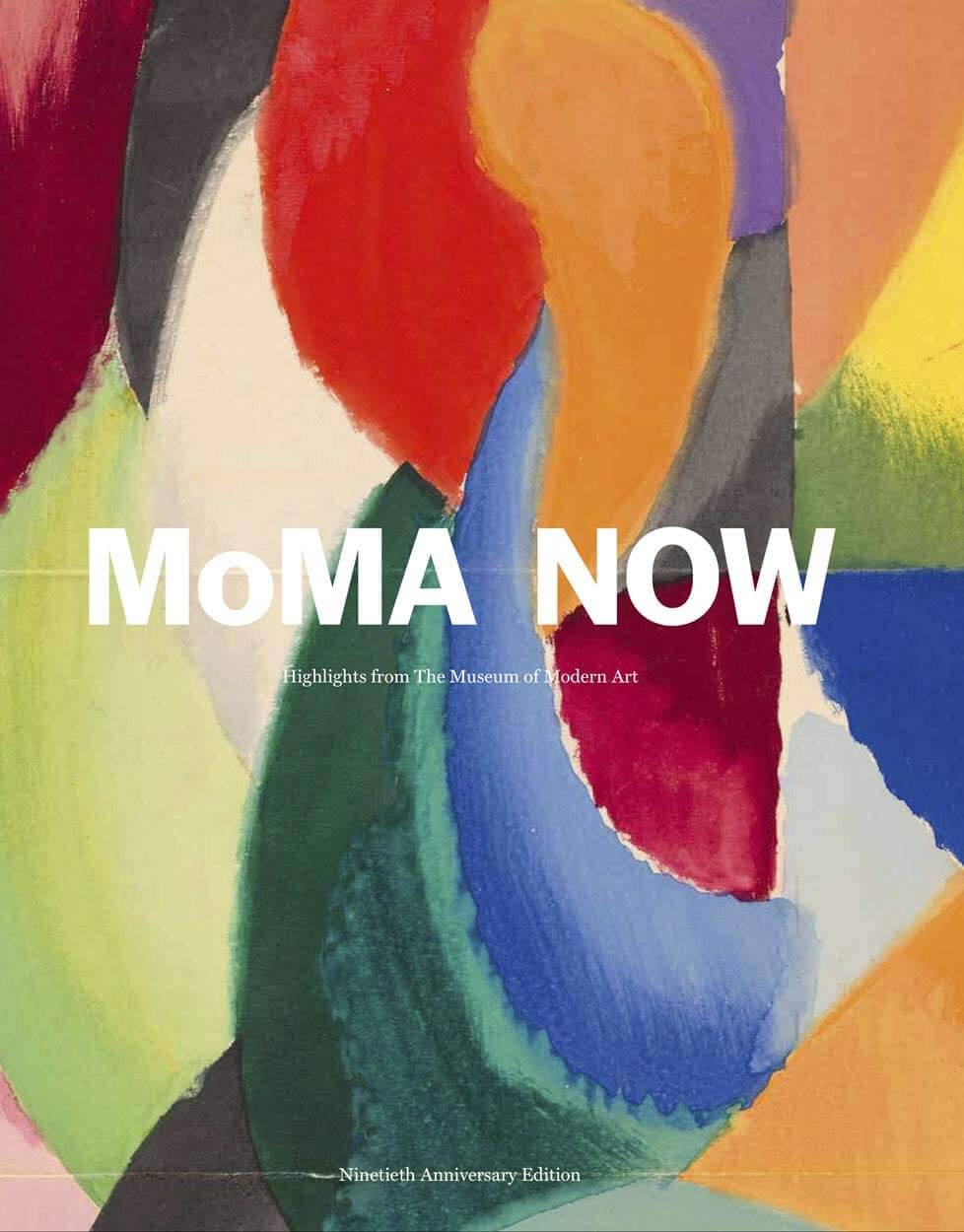
If your taste runs from Van Gogh's Starry Night through Warhol's soup cans to today, this is the most efficient way to put that arc on your table. It's a curated walk through the highlights of MoMA's collection — roughly 250 works across painting, sculpture, photography, design, and film stills — reproduced to the museum's own production standard.
What I keep returning to: The reproduction quality is the selling point. Having stood in front of a good number of these works at MoMA in New York, I can say the color fidelity here is unusually faithful — the reds in a Rothko hold their depth, where cheaper modern-art surveys turn them flat and orange. The breadth across mediums also makes it a better browsing object than a painting-only book; the design and photography entries give visitors something to land on.
The honest downside: This is MoMA's collection, which means it's MoMA's particular, New-York-modernist version of the story — strong on American postwar art, lighter on anything the museum historically under-collected. Treat it as one institution's brilliant highlight reel, not a neutral survey of modern art.
The bottom line: The best modern-and-contemporary single volume for display. If "art" to you means roughly 1880 onward, start here.
5. Great Women Artists by Phaidon Editors
| Author | Phaidon Editors |
| Publisher | Phaidon |
| Pages | 464 |
| Dimensions | 11.6 x 10.0 inches |
| Price | ~$70 |
| Best For | Gift-giving & a fuller canon |
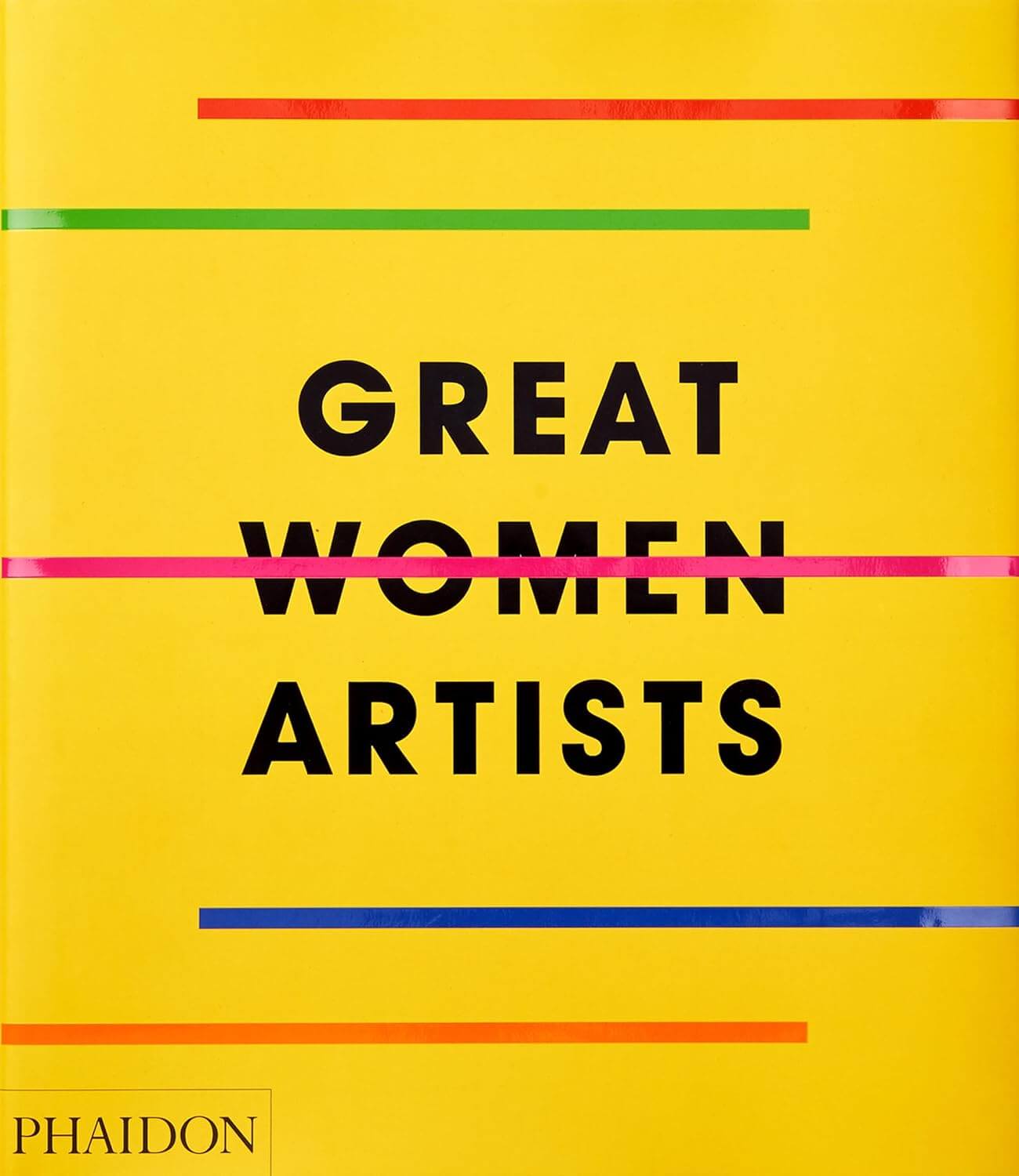
More than 400 women artists across five centuries, one per page in Phaidon's signature format. I bought it expecting a worthy corrective and got something better: a genuinely surprising book, full of major figures the standard surveys quietly skip — Artemisia Gentileschi, Hilma af Klint, Alma Thomas, Lee Krasner standing on her own rather than as a footnote to Pollock.
What I keep returning to: It functions as the perfect companion to The Art Book — same clean format, but it fills exactly the gaps that volume (and most art history) leaves. Hilma af Klint's abstractions predate Kandinsky's by years, and seeing that laid out plainly is the kind of quiet revision that makes the book worth owning. It's also the title from this list I've gifted most; it lands equally well with someone deep into art and someone just curious.
The honest downside: Like every one-page-per-artist survey, breadth comes at the cost of depth — it's a reference and a discovery engine, not a sustained argument. And by its nature the selection invites debate about who's in and who's out; you'll find omissions.
The bottom line: My default art gift, and a real expansion of what "the canon" looks like. Pair it with The Art Book for a complete two-volume picture.
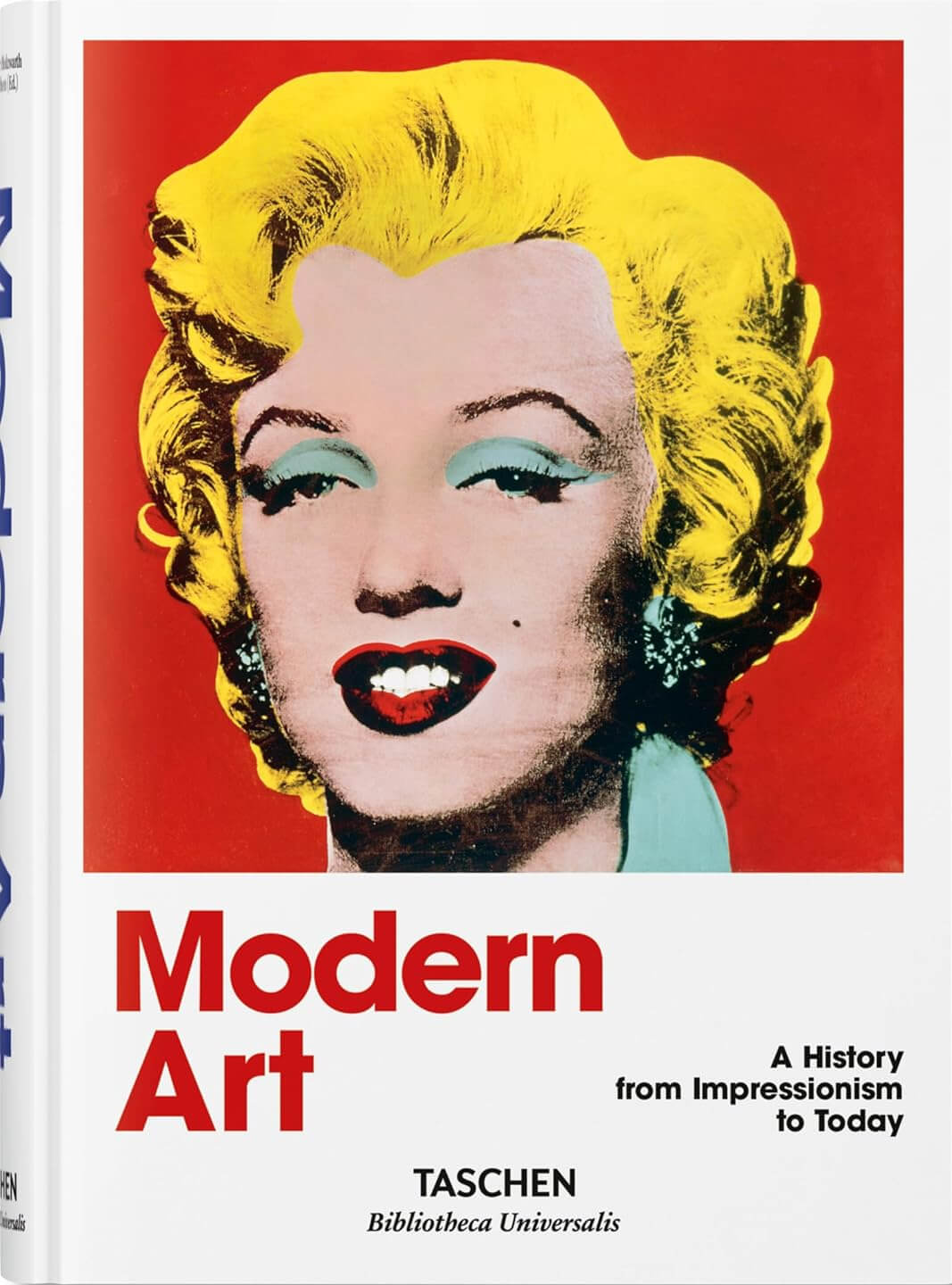
6. Modern Art 1870–2000: Impressionism to Today (Taschen)
| Editor | Hans Werner Holzwarth |
| Publisher | Taschen |
| Pages | 688 |
| Dimensions | 10.0 x 7.7 inches |
| Price | ~$25 |
| Best For | Modern-art survey on a budget |
Where MoMA Now is highlights, this is the systematic survey: 130 years of modern art walked through movement by movement, from Impressionism and Post-Impressionism up through Pop, Minimalism, and the close of the century. Taschen's value here is real — this much organized scholarship rarely costs this little.
What I keep returning to: Unlike the one-image-per-artist books, this one actually develops each movement as an idea, with multiple works and enough text to explain what the Fauves were reacting against or why Cubism mattered. It's the volume I reach for when I want the why behind a movement rather than just a representative picture. For anyone building real fluency in modern art, it's the most cost-effective foundation I know.
The honest downside: It stops at 2000, so the last quarter-century of art simply isn't here — pair it with The 21st-Century Art Book (next) if you want current work. It's also more textbook than showpiece: dense, double-columned, and weighted toward reading rather than displaying.
The bottom line: The best-value modern-art education on this list. Buy it to learn, not to impress visitors — and add a contemporary title for what comes after 2000.
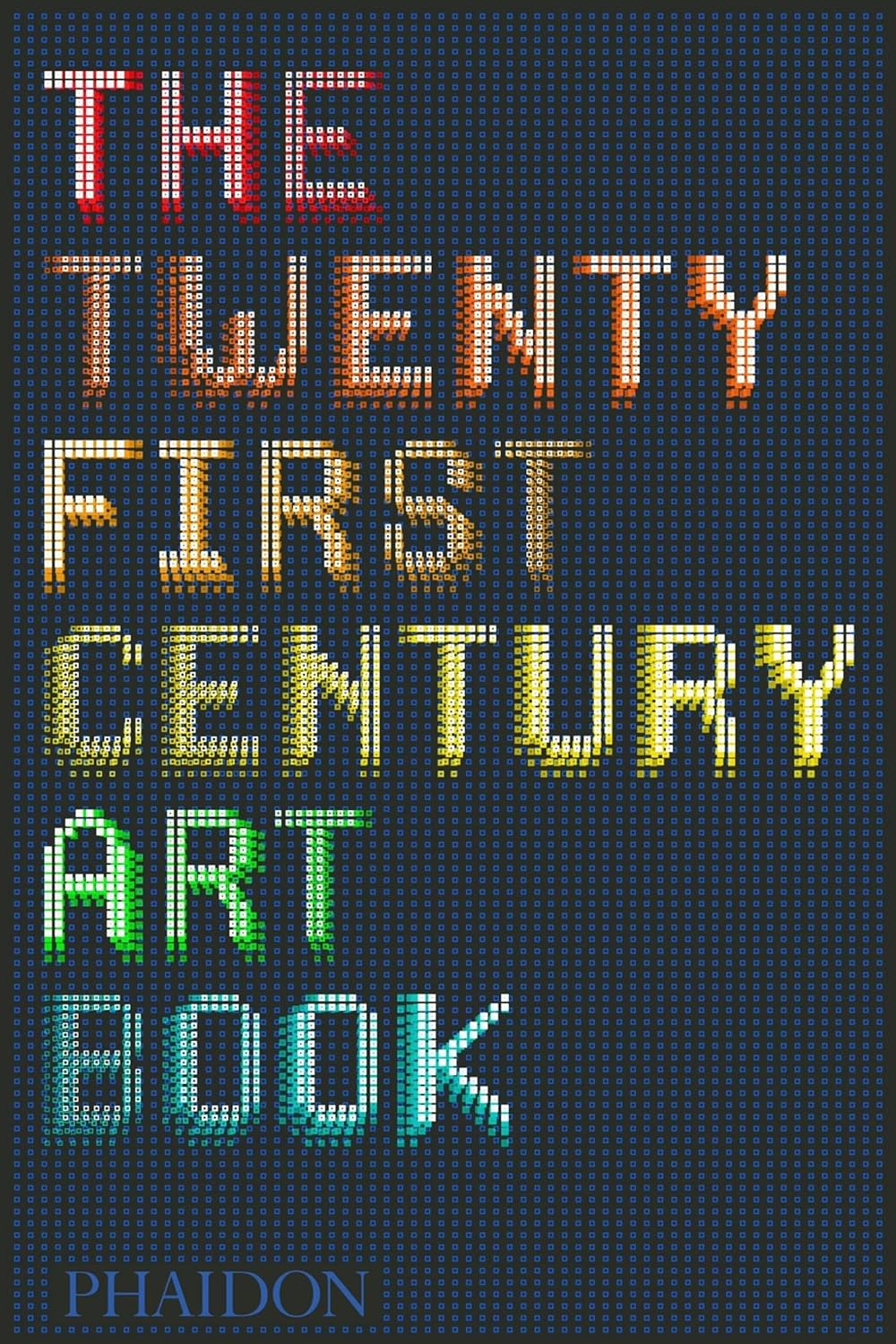
7. The 21st-Century Art Book by Phaidon Editors
| Author | Phaidon Editors |
| Publisher | Phaidon |
| Pages | 280 |
| Dimensions | 9.7 x 8.0 inches |
| Price | ~$40 |
| Best For | Contemporary & living artists |
This is where the survey books run out of road and this one picks up — a single-volume introduction to art made since 2000, covering artists who are, in many cases, still working. It's the volume that answers the question the older surveys can't: what does art actually look like right now?
What I keep returning to: It's the fastest way to get fluent in names that come up at galleries and fairs but never in older books — and it spans installation, video, and performance, not just things that hang on a wall. When a visitor asks what's happening in contemporary art, this is the book I open. It pairs naturally with the Taschen modern survey: one takes you to 2000, this takes you from there.
The honest downside: Contemporary selection ages fastest of anything on this list — a few inclusions already feel like a snapshot of a particular moment's taste, and some genuinely important recent figures arrived too late for this edition. The reproductions also run small, which doesn't flatter work that depends on scale.
The bottom line: The right book for current art, with the caveat that "current" has a shelf life. Buy it as a companion to a deeper modern survey, not as your only art book.
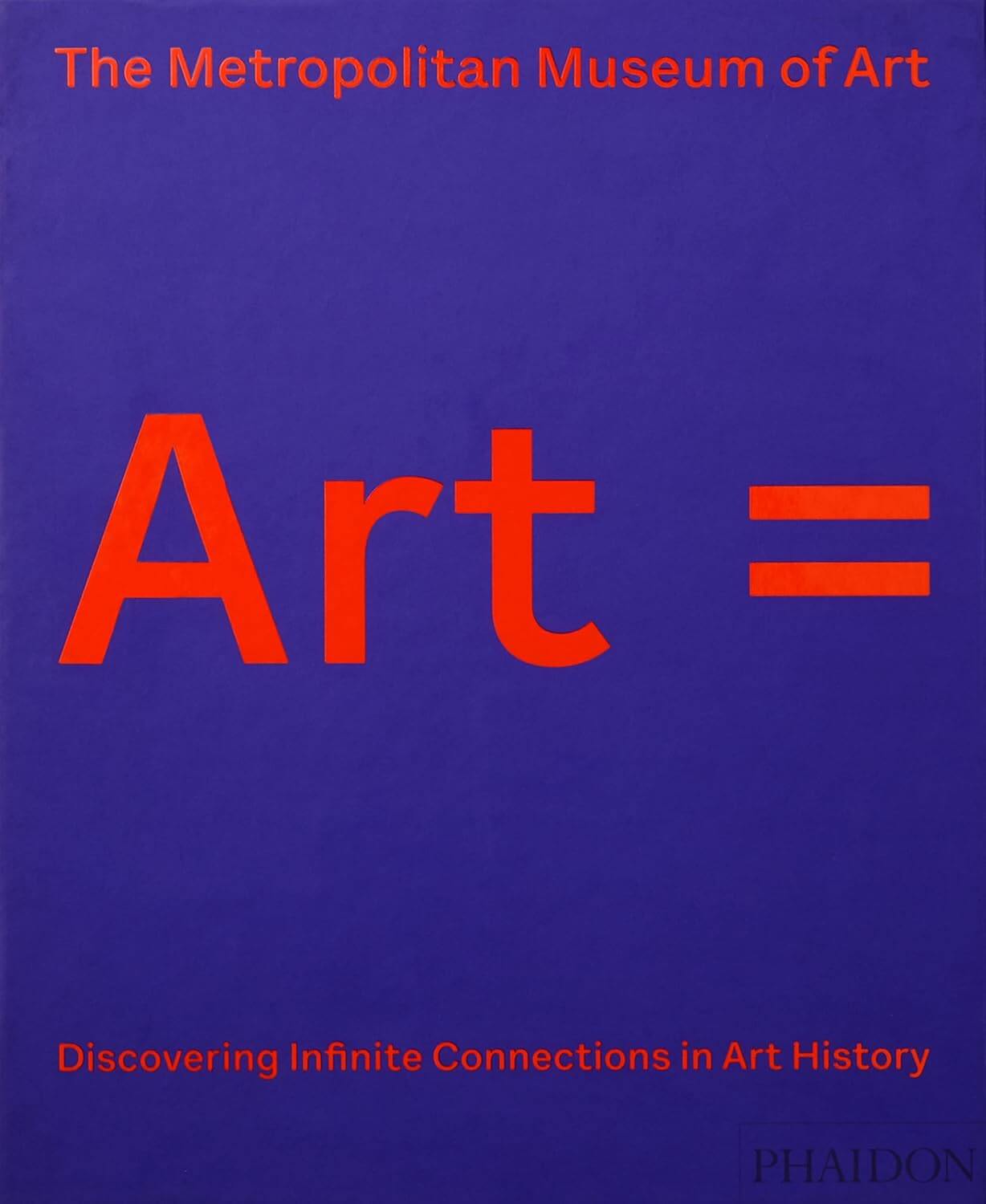
8. Art = Discovering Infinite Connections in Art History (Phaidon)
| Author | Phaidon Editors |
| Publisher | Phaidon |
| Pages | 448 |
| Dimensions | 11.0 x 9.3 inches |
| Price | ~$75 |
| Best For | Browsing & seeing across eras |
This is the most purely browsable book on the list. Instead of chronology or alphabet, it pairs works across centuries by visual and thematic echo — a Baroque portrait beside a modern photograph that rhymes with it, a Greek sculpture next to a contemporary one that quotes it. It's built for the way people actually pick a book up: open anywhere, follow your eye.
What I keep returning to: The juxtapositions teach you to look comparatively without lecturing. Set a 17th-century still life against a Pop reworking of the same subject and the four-hundred-year conversation becomes obvious in a way no timeline conveys. On a coffee table it earns its place precisely because there's no "wrong" entry point — it's the book guests flip through longest.
The honest downside: That same structure is a liability if you want to learn art history in order. There's no narrative spine, so it assumes you already have some framework to hang the connections on. As a first or only art book it would leave you with a beautiful jumble.
The bottom line: The best browsing book here, and a great second or third purchase. Buy it once you have a survey for grounding — then let it teach you to see sideways.
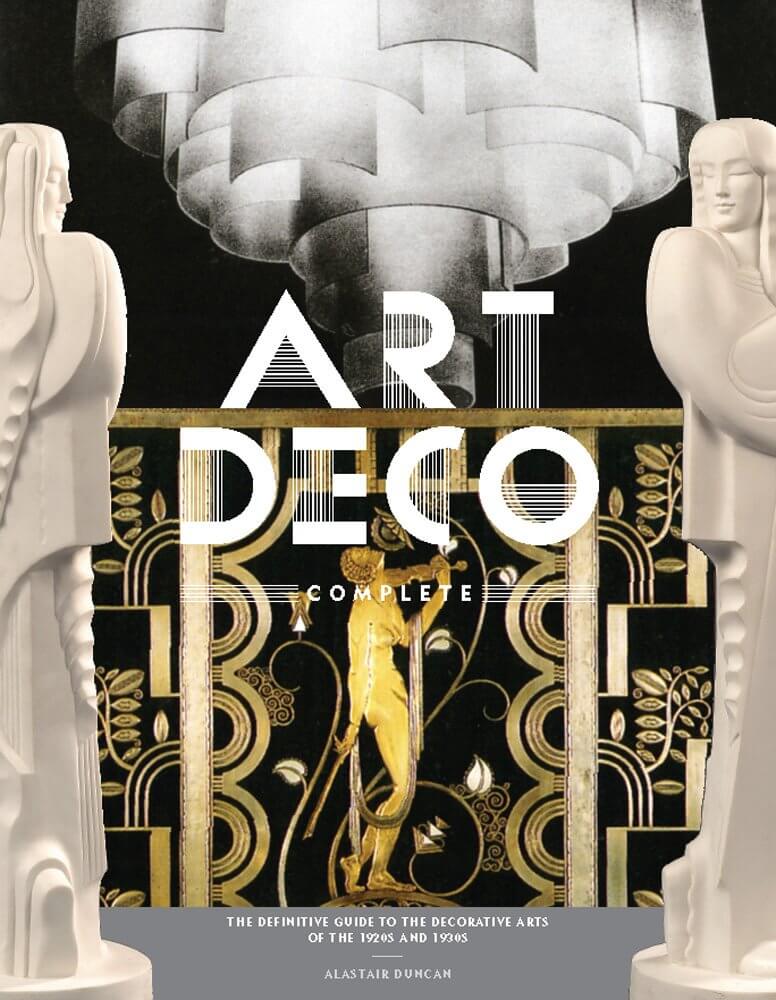
9. Art Deco Complete by Alastair Duncan
| Author | Alastair Duncan |
| Publisher | Thames & Hudson |
| Pages | 544 |
| Dimensions | 11.7 x 10.3 inches |
| Price | ~$150 |
| Best For | A single movement, in depth |
Every list so far has been a survey; this is the deep dive, and it earns its spot because Art Deco is the rare movement that translates perfectly to a large-format book. Duncan's volume is the definitive single reference on the decorative arts of the 1920s and '30s — furniture, glass, jewelry, lacquer, sculpture, metalwork — photographed lavishly across more than 500 pages.
What I keep returning to: The breadth of objects is what survey art books can never give you. Where a general history might grant Deco a single page, this shows you the actual range — Lalique glass, Ruhlmann cabinetry, Cartier's machine-age jewelry — and the production quality does the lush materials justice. It's also the book on this list that most reliably starts a conversation; the aesthetic is instantly legible to people who'd never open a fine-art survey.
The honest downside: This is decorative arts, not painting, so it's a deliberate tonal shift from the rest of the list — if you want canvases, this isn't it. It's also reference-dense rather than narrative; you browse it by object, not by argument.
The bottom line: The best single-movement book here and a genuine showpiece. Buy it if Deco's geometry and glamour speak to you — it's a different pleasure from the survey volumes.
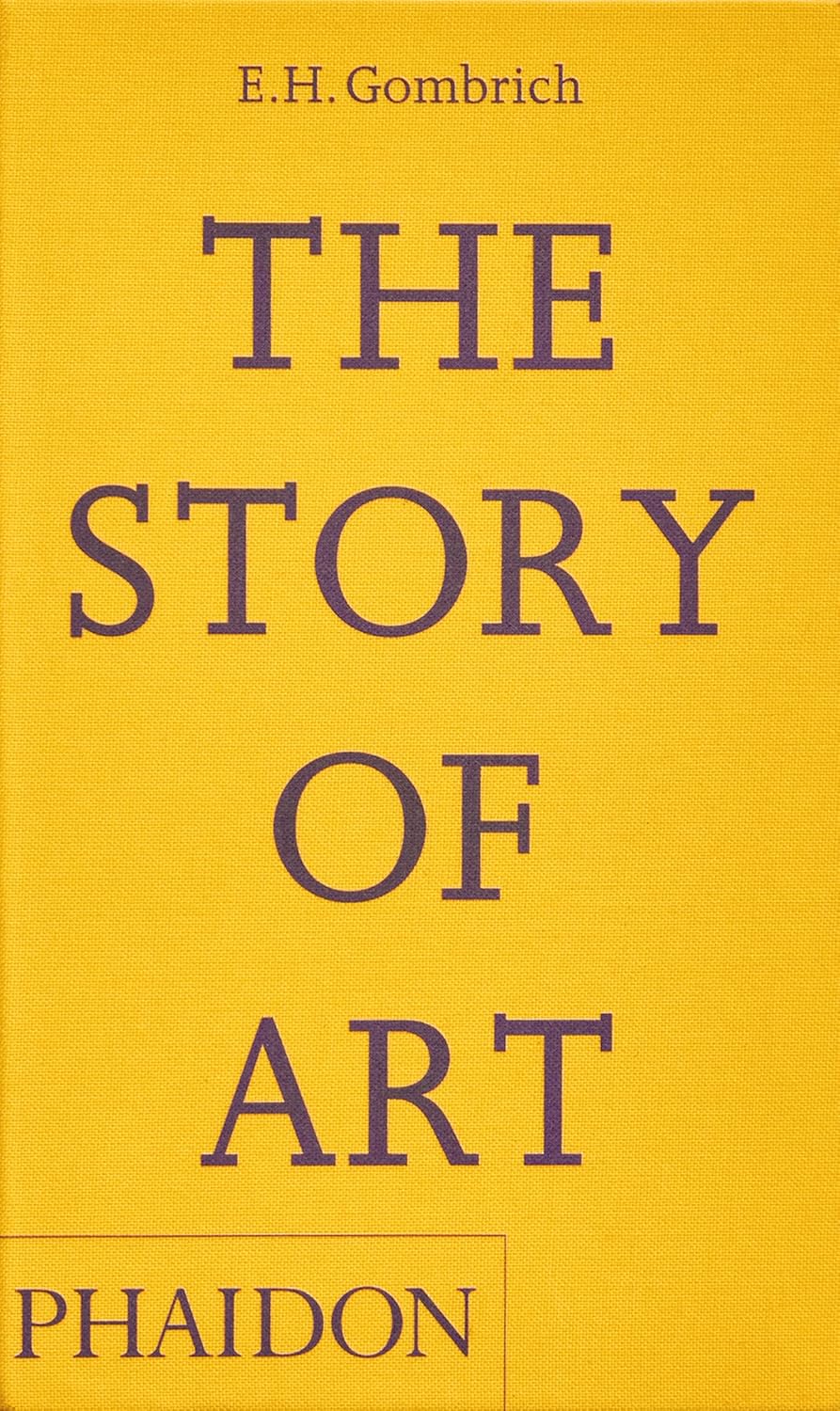
10. The Story of Art by E.H. Gombrich
| Author | E.H. Gombrich |
| Publisher | Phaidon |
| Pages | 688 |
| Dimensions | 9.8 x 6.8 inches |
| Price | ~$34 |
| Best For | Actually understanding art history |
The best-selling art book ever written, and the one I'd save if I could keep only a single title for understanding rather than displaying. Gombrich tells the story of art as a continuous human problem-solving narrative — each generation responding to the last — in prose so clear a teenager can follow it and a specialist still admires it.
What I keep returning to: Nothing else on this list explains why art changed the way it did. Gombrich's through-line — that artists were forever solving problems their predecessors created — is the framework that makes every other book on this list legible. I reread chapters of it more than I "look at" it, and it's the book I credit with turning my browsing into actual comprehension.
The honest downside: It's a book to read, not a coffee-table showpiece — smaller format, text-forward, and the reproductions serve the argument rather than dazzle. Gombrich also stops effectively at mid-twentieth-century modernism and is, by his own cheerful admission, a Western story; don't expect the global reach of 30,000 Years of Art.
The bottom line: The essential art education on this list, even if it's the least showy object. Buy it to understand everything else you own.
11. David Hockney: A Bigger Book (Taschen)
| Artist | David Hockney |
| Publisher | Taschen (SUMO format) |
| Pages | 498 |
| Format | Oversized SUMO + Marc Newson bookstand |
| Price | Splurge tier (~$4,500) |
| Best For | A statement piece / serious collectors |
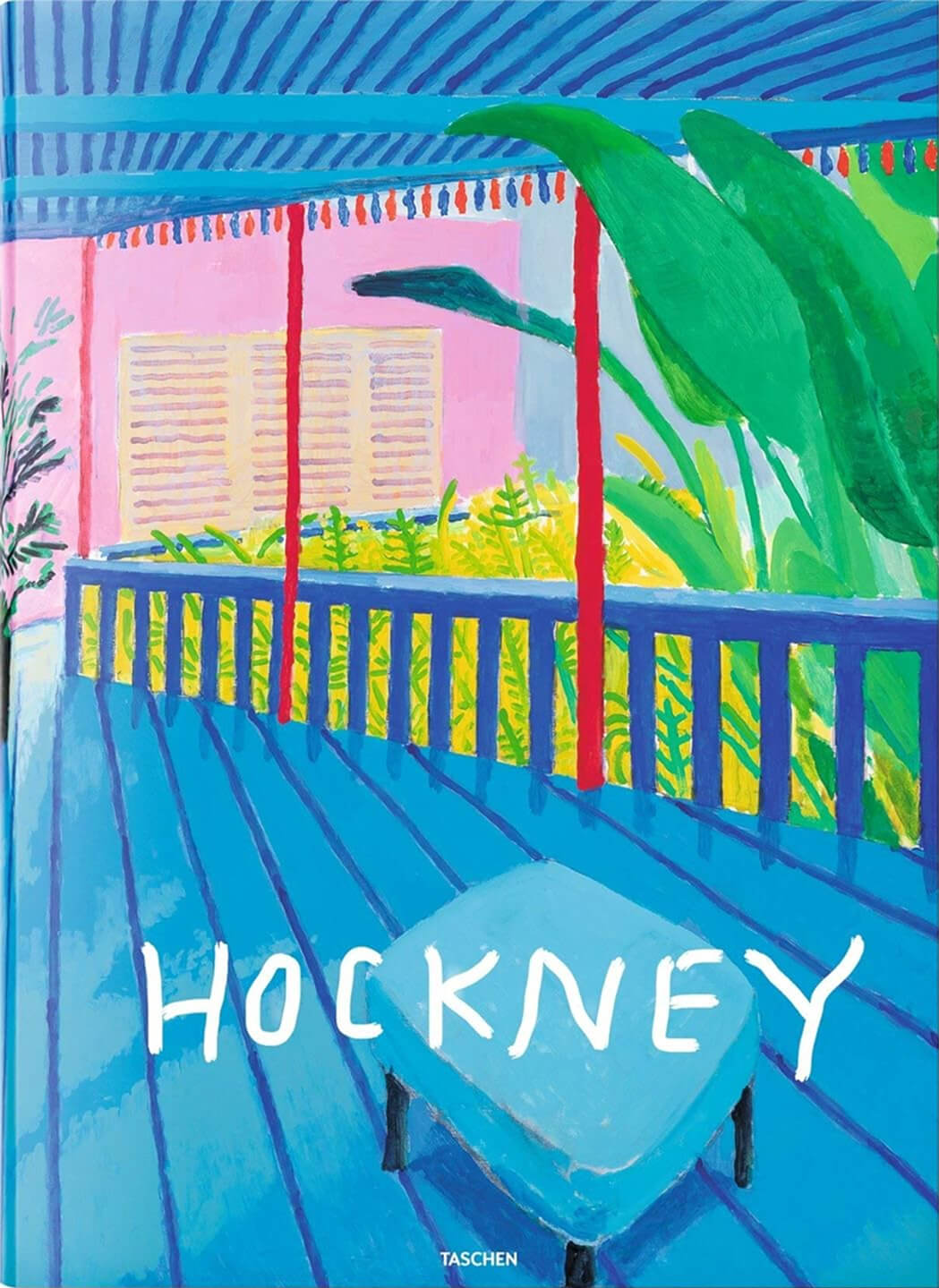
Every list needs one object that stops the room, and this is it. Taschen's SUMO-format Hockney is less a book than a piece of furniture — an oversized, signed-edition retrospective of Hockney's six-decade career that ships with its own adjustable bookstand designed by Marc Newson. At full size, a Hockney pool painting reproduces close to the scale of the canvas itself.
What I keep returning to: Scale changes the experience completely. Hockney's Californian light and his vast Yorkshire landscapes were made to be seen big, and at SUMO dimensions you read the brushwork and the color the way the standard monographs simply can't show you. It's the one book in my collection that visitors photograph rather than just flip through.
The honest downside: The price and footprint are the whole story — this is a four-figure object that needs a dedicated stand and a permanent spot, which puts it out of reach for almost everyone, including most serious enthusiasts. If you love Hockney but live in the real world, buy Taschen's standard Hockney monograph for around $20 to $30 instead; it delivers the work at a fraction of the cost and weight.
The bottom line: The ultimate statement piece, and only that. Buy it if you want art as furniture and budget is no object — otherwise admire it and get the standard monograph.
How I Chose These
I look for three things in an art book before it earns a place on my table. First, reproduction quality — color fidelity and print depth, judged against works I've seen in person at MoMA, the Met, Tate Modern, and the Art Institute of Chicago, because a flat, orange-shifted Rothko tells you nothing true. Second, editorial point of view: a book should either survey honestly or argue clearly, not pad itself with the same forty famous images every other title uses. Third, the table test — over months, which books do non-collector guests actually open, and reopen? Every title above survived all three. None were sent for review; I bought and live with each one.
What to Look For in an Art Coffee Table Book
The first question is what you actually want the book to do. A survey (The Art Book, 30,000 Years of Art) gives breadth and works as a reference; a narrative history (Gombrich) gives understanding; a single-movement or single-artist book gives depth and display impact. Most people are happiest owning one survey plus one deep dive, rather than three overlapping surveys.
Reproduction quality matters more than page count. A 600-page book with muddy color is worse than a tighter volume that gets the blues and reds right, so where you can, check sample spreads before buying. Format is the other practical call: a true large-format or SUMO book makes a statement but needs real space, while a reading-sized book like Gombrich disappears comfortably onto a shelf. And mind the date — anything claiming to cover "contemporary" art ages fastest, so weight your money toward the historical volumes that stay current and add one contemporary title to taste.
Finally, price is not a proxy for quality here. The single most useful book on this list is the ~$50 Art Book; the ~$2,000 Hockney is the least practical. Spend where the looking is best, not where the sticker is highest.
Going Deeper: My Single-Artist Guides
These surveys are the foundation — but when one artist grabs you, a dedicated monograph is where the real looking happens. I've reviewed the best books for several of the names you'll meet in the volumes above:
- Best Monet Coffee Table Books — Impressionism's master of light, from the $25 Wildenstein to the fold-out Water Lilies edition
- Best Van Gogh Coffee Table Books — comprehensive painting collections and gatefold editions
- Best Matisse Coffee Table Books — color, cut-outs, and the late masterpieces
- Best Basquiat Coffee Table Books — the definitive volumes on the Neo-Expressionist icon
Dedicated guides to Banksy and Japanese art books are coming next — check back, or grab the monthly newsletter below to catch them.
Frequently Asked Questions
What is the best art coffee table book overall?
For most people, The Art Book by Phaidon. At around $50 it covers 600 artists across every period, it's the most browsable starting point I know, and it reliably tells you which artists you'll want to explore in depth next. It's the one book I'd buy first.
What's the best art book on a budget?
The Taschen Modern Art 1870–2000 at roughly $40 gives you the most organized scholarship per dollar, and Gombrich's The Story of Art at around $45 is the best art education at any price. Both punch far above their cost.
What's the best art book for modern and contemporary art?
MoMA Now for display-quality highlights from roughly 1880 onward, paired with The 21st-Century Art Book for work made since 2000. The Taschen modern survey sits between them if you want the movements explained in depth.
Which art book is best if I actually want to learn art history?
Gombrich's The Story of Art, without question. It's the one title here that explains why art changed across centuries, and it makes every survey and monograph you own easier to understand. It reads more like a book than a display object — which is the point.
Are expensive art books actually worth it?
Sometimes, but price tracks production and scale, not usefulness. A statement piece like the SUMO Hockney is spectacular and impractical; the most-used book on this list is the inexpensive Art Book. Spend on the deep dives you'll actually return to, not on prestige.
What's the best book on American art specifically?
The American Art Book by Phaidon. Its late-2025 revised edition covers 500 American artists across three centuries in the same browsable A–Z format as The Art Book, reaching from colonial portraitists to contemporary names. If you're collecting American art or just want the home-market story, it's the most relevant single volume here.
What's the best art coffee table book as a gift?
Great Women Artists. It's beautifully produced, full of genuine discoveries, and lands well with both serious art lovers and curious beginners — it's the title I've gifted most from this entire list.
A monthly curation of the most beautiful new released coffee table books — straight to your inbox.