5 Best Frank Lloyd Wright Coffee Table Books (2026)
After visiting Fallingwater and collecting Wright books for eight years, these are the 5 volumes that actually capture his organic architecture.
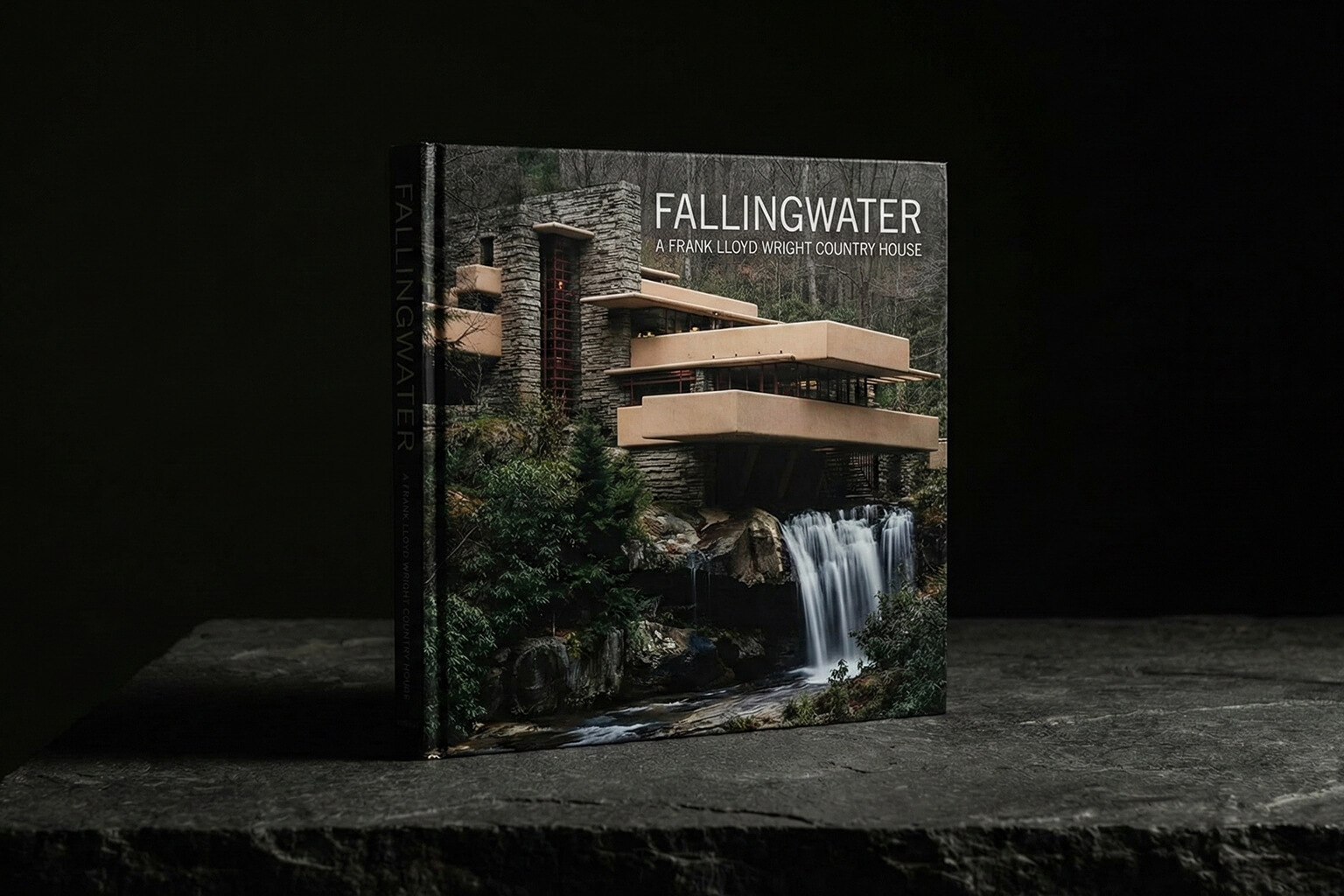
I visited Fallingwater for the first time eight years ago and left genuinely changed. Standing in that living room with the waterfall audible beneath my feet, I understood for the first time what "organic architecture" actually meant—not as a concept but as an experience. The house doesn't sit on the landscape; it grows from it. I bought three Wright books in the gift shop that day.
Since then, I've accumulated a shelf of Frank Lloyd Wright volumes, from the massive Phaidon monograph to slim TASCHEN introductions. What I've learned is that Wright books vary dramatically in approach. Some analyze buildings as architectural problems solved. Others document them as visual experiences. A few—the best ones—do both while capturing what it actually feels like to move through Wright's spaces.
Looking for the right Frank Lloyd Wright coffee table book? After years of collecting and comparing, I've narrowed it down to 5 essential volumes. Whether you want scholarly analysis, a single-building deep dive, or an affordable introduction, one of these belongs on your table.
1. Frank Lloyd Wright (Phaidon)
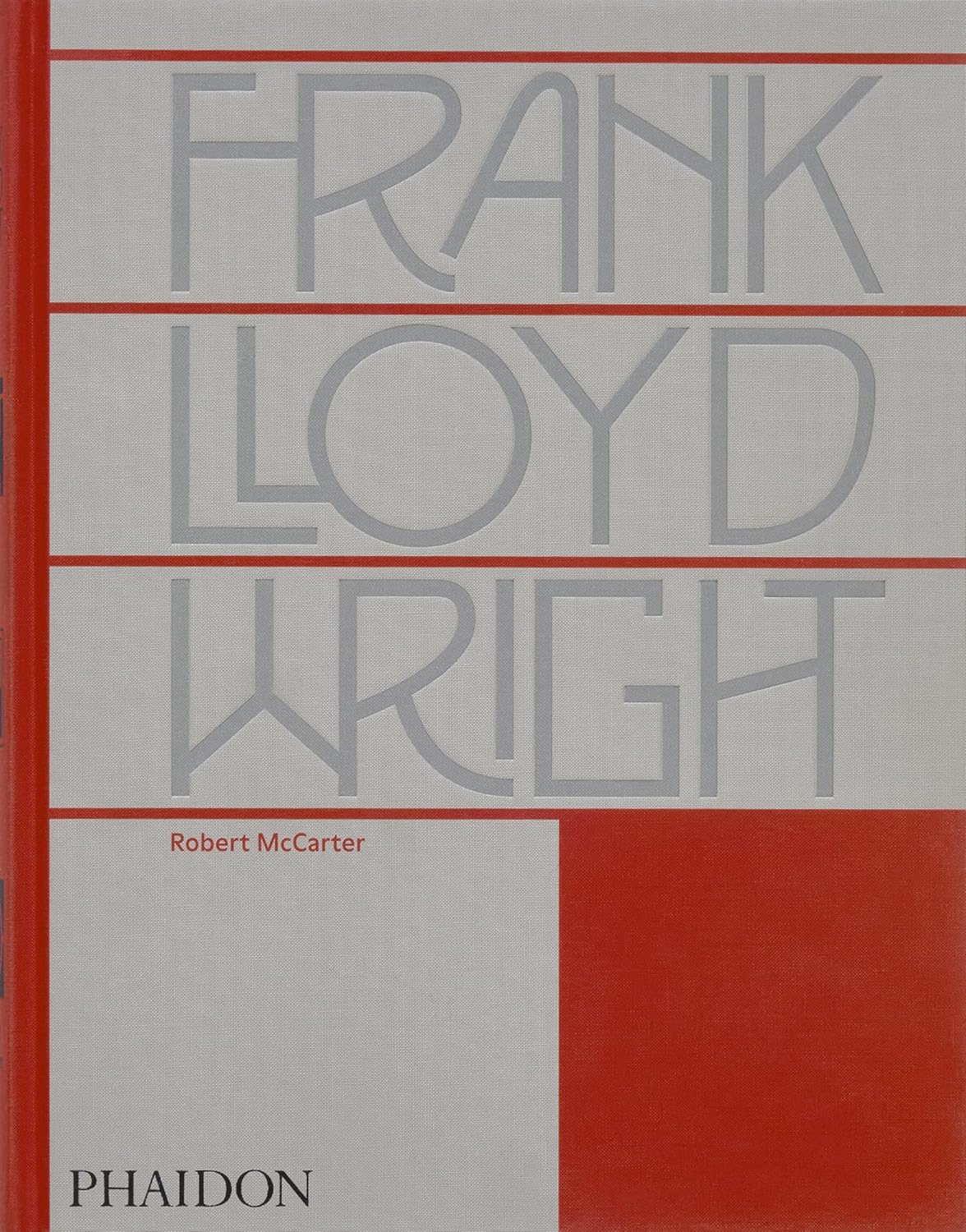
| Author | Robert McCarter |
| Publisher | Phaidon Press |
| Pages | 456 |
| Year | 2025 (Revised Ed.) |
| Price | ~$150 |
The Architects' Journal called it "difficult to imagine being bettered," and after working through all 456 pages, I agree. Robert McCarter—practicing architect and Professor of Architecture at Washington University—doesn't just describe Wright's buildings. He analyzes how they work spatially, how materials create atmosphere, how each structure relates to its landscape.
The 2025 revised edition includes archival drawings, specially commissioned photographs, and redrawn plans. The complete list of Wright's buildings compiled by the Frank Lloyd Wright Archives makes this a genuine reference work.
What sets this apart from other comprehensive books is McCarter's perspective as a practicing architect. He understands buildings as spatial experiences, not just historical artifacts. When he explains why Fallingwater's cantilevers create psychological tension, you feel it.
Best for: Architecture students, serious enthusiasts, anyone who wants to understand why Wright's buildings work, not just what they look like.
Skip this if: You want beautiful photography without technical analysis. This is scholarly—rewarding but demanding.
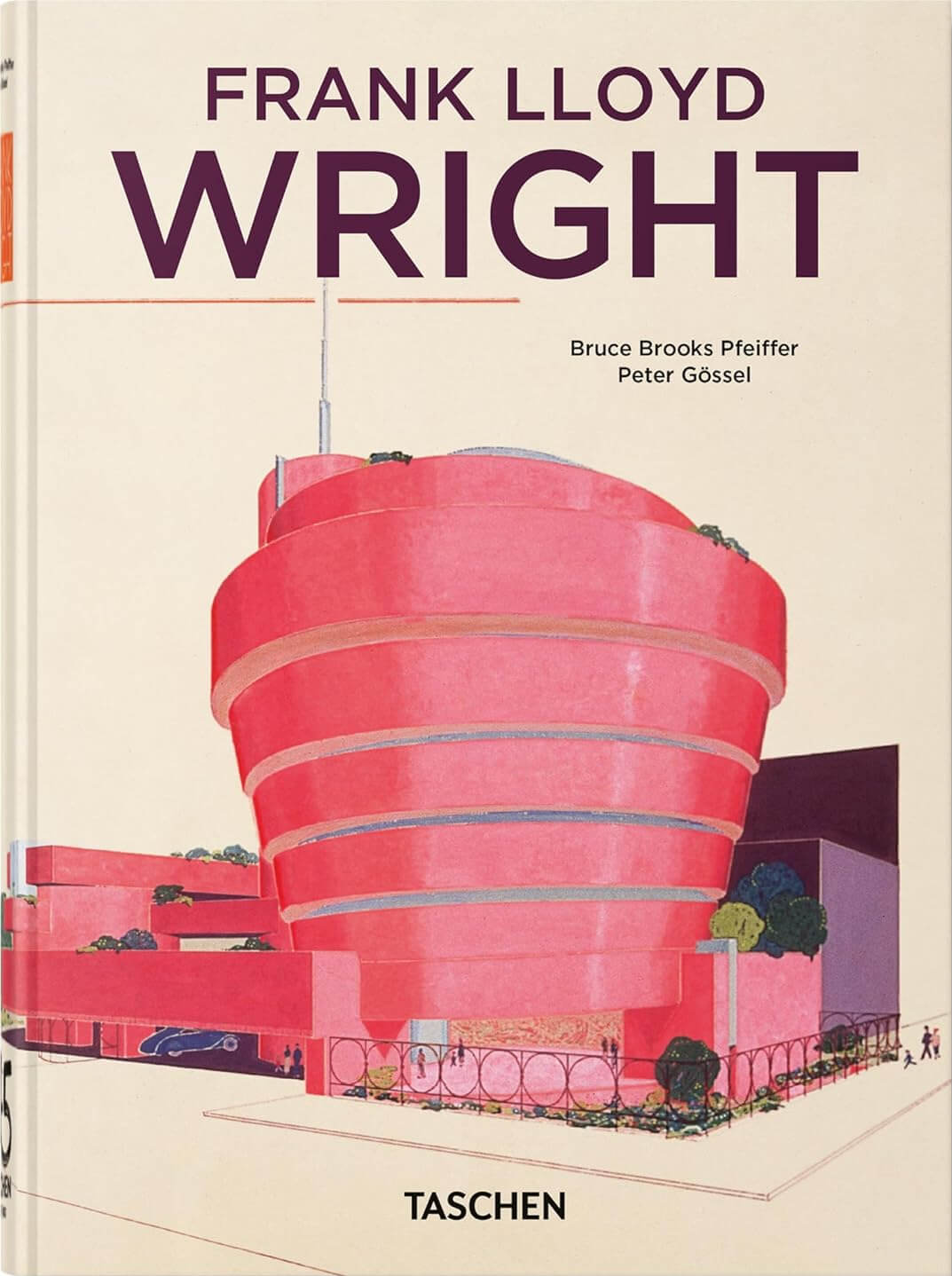
2. Frank Lloyd Wright (TASCHEN 45th Edition)
| Author | Bruce Brooks Pfeiffer |
| Publisher | TASCHEN |
| Pages | 512 |
| Year | 2024 (45th Ed.) |
| Price | ~$30 |
This is the Wright book I recommend most often because the value is absurd. 512 pages for $30, written by someone who actually knew Wright. Bruce Brooks Pfeiffer joined the Taliesin Fellowship in 1949 as Wright's apprentice and later established the Frank Lloyd Wright Foundation Archives. No one had more intimate access to Wright's work and legacy.
The book covers everything: Prairie Houses, Usonian homes, Fallingwater, the Tokyo Imperial Hotel, the Guggenheim, and Wright's visionary (unrealized) city plans. Both built and unbuilt projects are documented with archival drawings and photographs that Pfeiffer accessed directly.
I bought the Phaidon first, thinking it was the definitive volume. Then I got this and realized you could understand Wright's complete career for a fifth of the price. The Phaidon goes deeper analytically, but for comprehensive coverage, this delivers.
Best for: First Wright book purchase, comprehensive overview, anyone who wants serious content without the $150 investment.
Skip this if: You want the deepest possible architectural analysis. McCarter's Phaidon goes further academically.
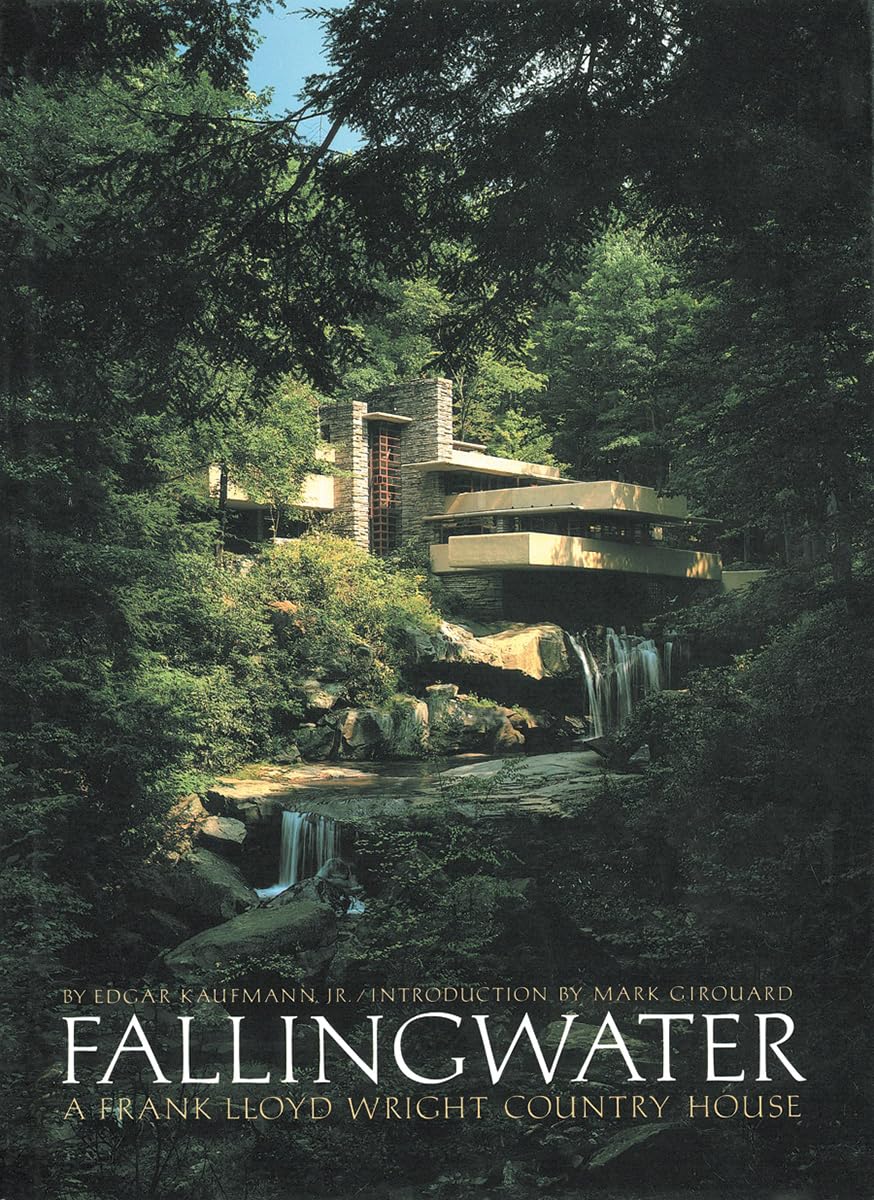
3. Fallingwater: A Frank Lloyd Wright Country House
| Author | Edgar Kaufmann Jr. |
| Publisher | Abbeville Press |
| Pages | 190 |
| Year | 1986 |
| Price | ~$60 |
No one else could have written this book. Edgar Kaufmann Jr. was Wright's apprentice and the son of the clients who commissioned Fallingwater. He lived in the house for 27 years before donating it to the Western Pennsylvania Conservancy in 1963. He understood both the architect's intentions and the reality of inhabiting the building.
Kaufmann is honest about the house's faults—the leaking roof, the structural issues with the cantilevers—alongside its virtues. This isn't hagiography; it's a clear-eyed account from someone who loved the building while living with its problems. The first accurate as-built measured plans appear here.
Christopher Little's photography captures views you'd need many visits to accumulate. But what makes this essential is Kaufmann's prose—articulate, precise, and informed by decades of intimate experience.
Best for: Anyone who loves Fallingwater specifically, visitors preparing for (or remembering) a trip, readers who want first-hand accounts rather than academic analysis.
Skip this if: You want comprehensive Wright coverage. This is 190 pages about one building.
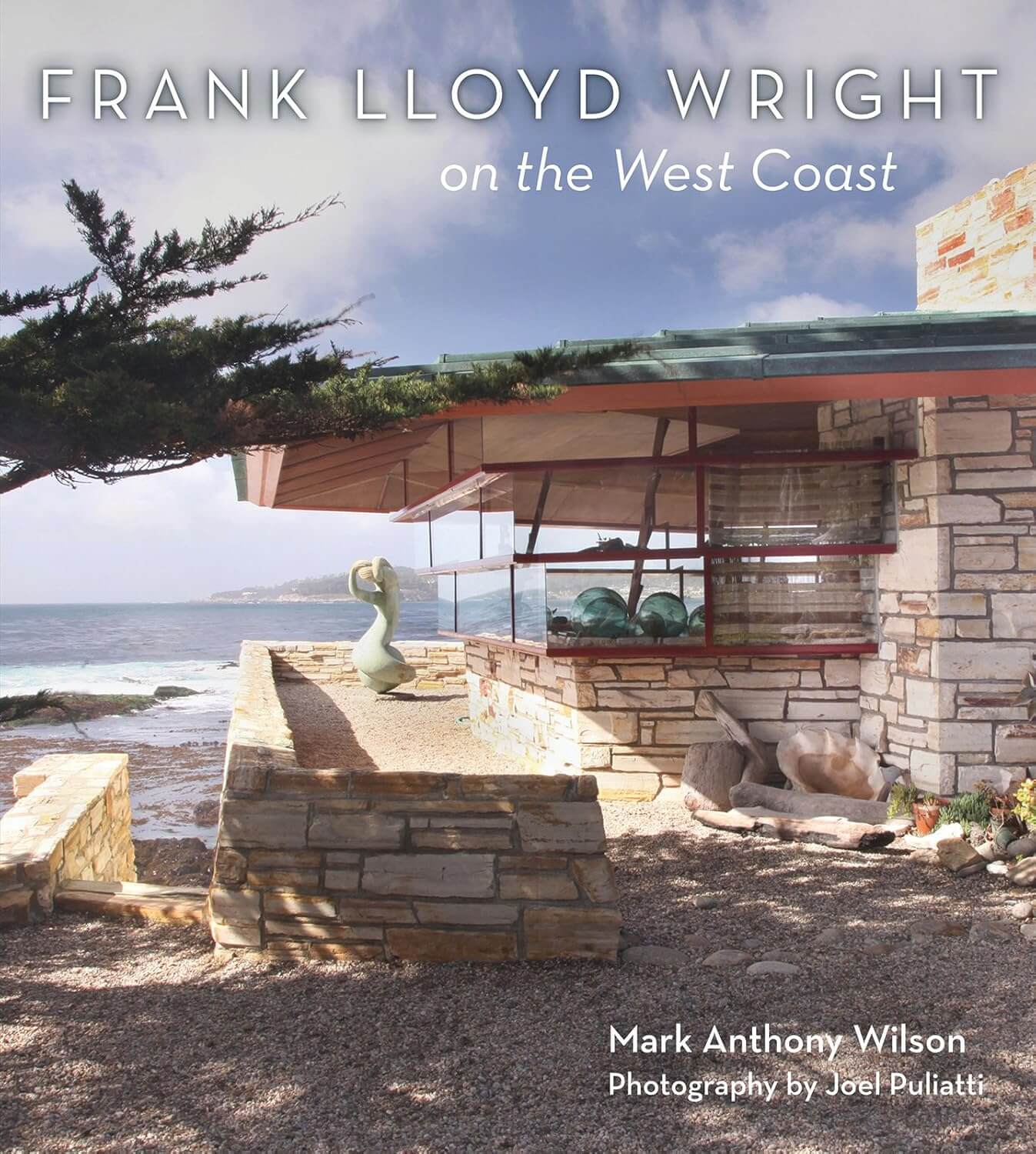
4. Frank Lloyd Wright on the West Coast
| Author | Mark Anthony Wilson |
| Photographer | Joel Puliatti |
| Publisher | Gibbs Smith |
| Pages | 256 |
| Year | 2014 |
| Price | ~$55 |
Wright called his California work "Romanza"—buildings designed to blend with romantic Western settings. Between 1909 and 1959, he designed 38 structures from Seattle to Southern California, and this is the first comprehensive survey of that regional legacy.
Joel Puliatti's 200+ photographs capture Hollyhock House, Marin County Civic Center, and lesser-known gems like the 1909 Stewart House near Santa Barbara. Many archival images had never been published before this book. Insights from correspondence with original owners and interviews with current owners add context you won't find elsewhere.
I bought this before a California trip specifically to plan Wright visits. Several buildings in this book aren't covered well (or at all) in the comprehensive monographs, which tend to focus on the Midwest masterpieces.
Best for: West Coast residents, California trip planning, anyone interested in Wright's later experimental work with concrete and textile blocks.
Skip this if: You want his most famous buildings. The Prairie Houses and Fallingwater get minimal coverage here.
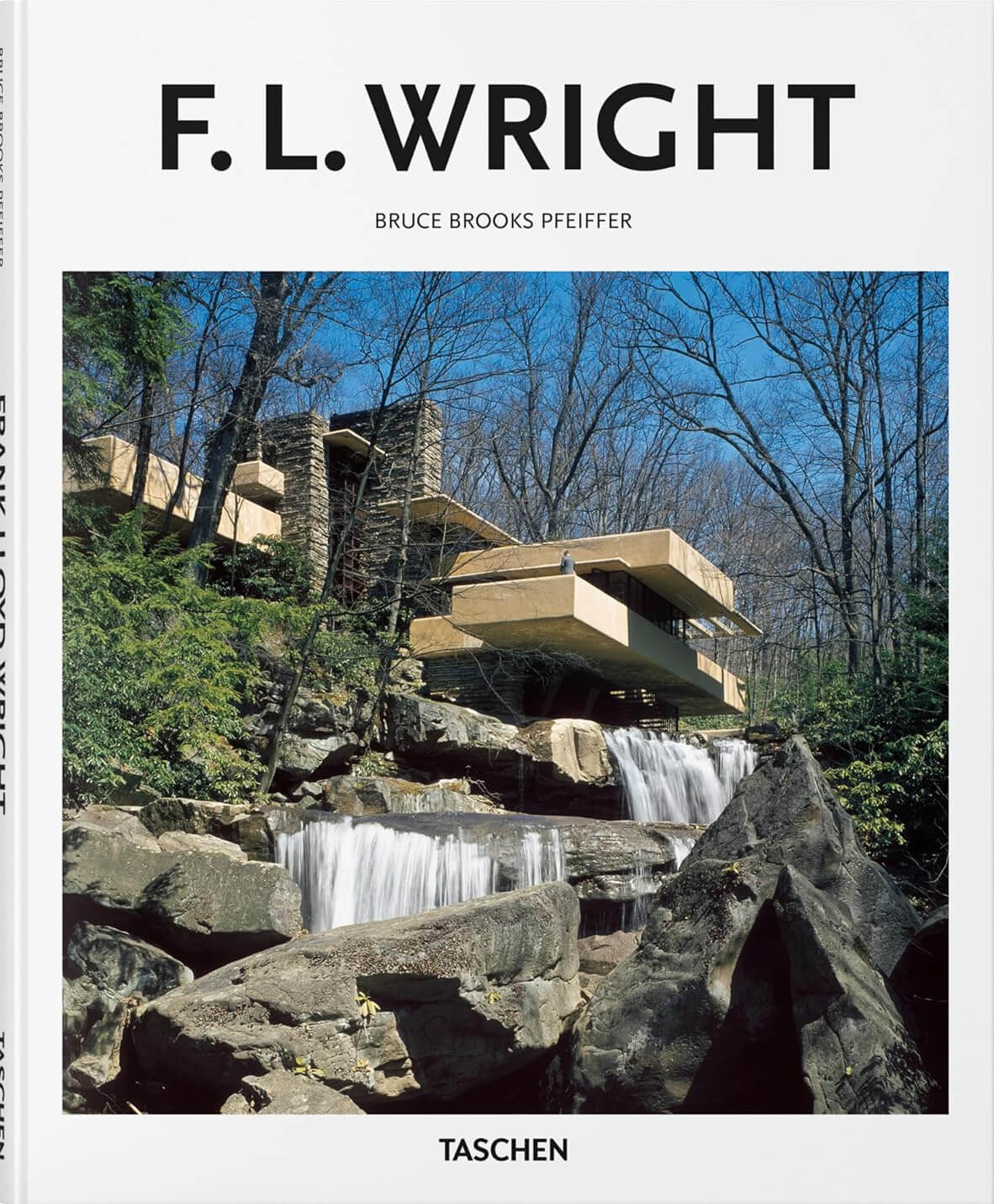
5. F.L. Wright (Basic Architecture Series)
| Author | Bruce Brooks Pfeiffer |
| Publisher | TASCHEN |
| Pages | 96 |
| Year | 2015 |
| Price | ~$20 |
At 96 pages, this is an introduction rather than a comprehensive study—but it's a good one. Part of TASCHEN's Basic Architecture Series, the book covers the essentials: Prairie Houses, Fallingwater, the Guggenheim, and Wright's organic architecture philosophy. Each building gets 1-2 pages with quality photographs and concise descriptions.
I keep this one in my guest room. It's accessible enough that visitors actually flip through it, and the introductory essay contextualizes Wright's ambition to create architecture for American democracy without overwhelming casual readers.
Best for: Gifts, first exposure to Wright, small spaces, anyone who wants quality content without committing to 500 pages.
Skip this if: You want depth. At 96 pages, this necessarily simplifies.
Quick Comparison
| Book | Price | Pages | Best For |
|---|---|---|---|
| Phaidon (McCarter) | $150 | 456 | Scholarly analysis |
| TASCHEN 45th Ed. | $30 | 512 | Best value overview |
| Fallingwater | $60 | 190 | Single masterpiece |
| West Coast | $55 | 256 | California focus |
| Basic Architecture | $20 | 96 | Quick intro |
FAQ
What's the best overall Frank Lloyd Wright coffee table book?
For value, the TASCHEN 45th Edition delivers 512 pages for $30, written by Wright's actual apprentice. For scholarly depth, the Phaidon edition by Robert McCarter is unmatched but costs $150.
Is there a definitive book about Fallingwater?
Yes. Edgar Kaufmann Jr.'s "Fallingwater: A Frank Lloyd Wright Country House" is the definitive account—he was Wright's apprentice and lived in the house for 27 years.
Which book works best as a gift?
The Basic Architecture Series edition ($20) offers quality TASCHEN production at an accessible price. For someone who already knows Wright, the Fallingwater book makes a meaningful gift.